
Short Answer
Definition and Overview of Gecko Adhesion
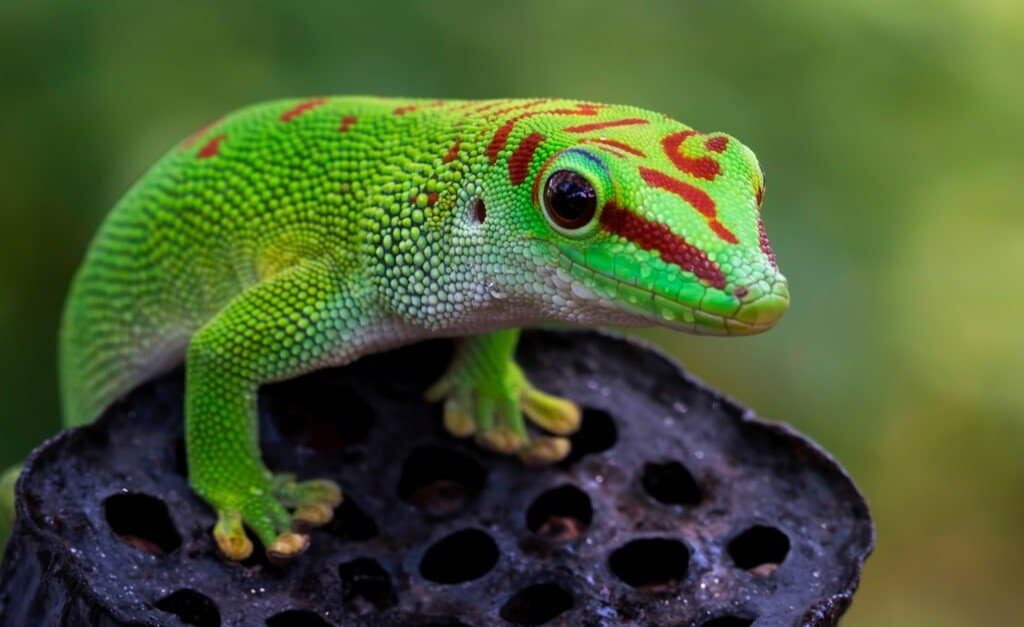
Geckos, small lizards belonging to the family Gekkonidae, are renowned for their extraordinary ability to cling to and navigate a variety of surfaces, including vertical walls and ceilings. This remarkable adhesive capability has intrigued scientists and enthusiasts alike, prompting investigations into the biological and physical principles underlying their grip. Central to this phenomenon is the unique structure of their feet, which enables them to adhere without the use of liquids or surface tension.
Biological Structure of Gecko Feet
Gecko feet are equipped with specialized microscopic features that facilitate adhesion. The pads of their feet are covered with millions of tiny hair-like projections called setae. Each seta branches into even finer structures known as spatulae, which dramatically increase the contact area between the gecko’s foot and the surface. This intricate morphology is a key evolutionary adaptation that allows geckos to maintain a strong grip on diverse substrates.
- Setae:
Microscopic hairs that cover the gecko’s footpads, providing the primary interface for adhesion. - Spatulae:
Nanoscopic branches at the tips of setae that maximize surface contact and facilitate molecular interactions.
Mechanisms Behind Gecko Adhesion
The adhesive ability of gecko feet arises from a combination of physical forces at the molecular level. The primary mechanism involves van der Waals forces, which are weak intermolecular attractions generated by transient electrical charges between molecules. When the spatulae come into close proximity with a surface, these forces collectively produce a significant adhesive effect, enabling the gecko to cling securely.
In addition to van der Waals forces, static electricity has been proposed as a contributing factor. Static charge can accumulate on the gecko’s toes due to friction during movement, creating localized electric fields that enhance adhesion. This electrostatic component may temporarily increase the strength of the gecko’s grip, especially under certain environmental conditions.
Environmental Influences on Adhesion
The effectiveness of gecko adhesion is influenced by external factors such as humidity, temperature, and surface texture. Moisture in the air can affect the buildup and retention of static charges, while temperature variations may alter the physical properties of the setae and spatulae. Additionally, rough or uneven surfaces can reduce the contact area between the foot structures and the substrate, diminishing adhesive performance. These variables present challenges for both natural geckos and researchers attempting to replicate their adhesion mechanisms.
Scientific and Technological Significance
Understanding how geckos adhere to surfaces has far-reaching implications beyond biology. This knowledge inspires innovations in robotics, materials science, and bioengineering. For instance, engineers aim to develop synthetic adhesives and climbing robots that mimic gecko feet, offering versatile and reusable gripping solutions. However, replicating the delicate balance of flexibility, strength, and adhesion found in gecko feet remains a complex task, requiring advanced material design and engineering.
Applications and Future Prospects
Gecko-inspired technologies hold the potential to revolutionize various industries. Adhesive materials modeled after gecko feet could provide strong, residue-free bonding on multiple surfaces, useful in construction, aerospace, and consumer products. These innovations promise enhanced performance in dynamic environments, but must also address challenges such as durability and environmental impact to ensure long-term viability.
Ecological and Ethical Considerations
The evolutionary development of gecko adhesion mechanisms reflects millions of years of adaptation to environmental demands. As synthetic technologies draw inspiration from these natural systems, it is crucial to consider the ecological and ethical dimensions. Conservation of gecko habitats and biodiversity must be balanced with technological advancement to prevent unintended harm to natural ecosystems. Responsible research and development should strive to harmonize innovation with environmental stewardship.
Summary and Ongoing Research Challenges
In summary, the adhesive capabilities of gecko feet result from a sophisticated interplay of van der Waals forces and static electricity, supported by specialized foot morphology. While significant progress has been made in understanding these mechanisms, questions remain regarding the precise contributions of electrostatic effects and environmental influences. Continued interdisciplinary research is essential to unlock the full potential of gecko-inspired adhesion, fostering breakthroughs that integrate biological insight with engineering innovation and ecological responsibility.
FAQ
What is the significance of gecko adhesion?
Gecko adhesion is significant for understanding biological mechanisms and inspiring new technologies.
What environmental factors affect gecko adhesion?
Humidity, temperature, and surface texture can influence the effectiveness of gecko adhesion.




Leave a Reply