
Short Answer
Understanding Future Fuels
Future fuels represent innovative energy sources designed to replace traditional fossil fuels, aiming to provide sustainable, low-carbon alternatives that address the escalating global energy crisis. These fuels are integral to mitigating climate change, reducing environmental degradation, and fostering a resilient energy infrastructure for the planet’s future.
- Definition:
Energy carriers or fuels developed to support sustainable energy systems by minimizing greenhouse gas emissions and reliance on finite fossil resources. - Purpose:
To enable a transition towards renewable energy, reduce ecological impact, and support economic and social sustainability.
Historical Context and the Need for Change
The dependence on carbon-rich fossil fuels has long driven industrial progress but at the cost of increasing atmospheric greenhouse gases and global warming. This historical reliance has precipitated urgent calls for alternative energy solutions that not only meet growing demand but also preserve ecological balance. The urgency is underscored by the accelerating pace of climate change and its widespread environmental consequences.
Exploring Renewable Energy Modalities
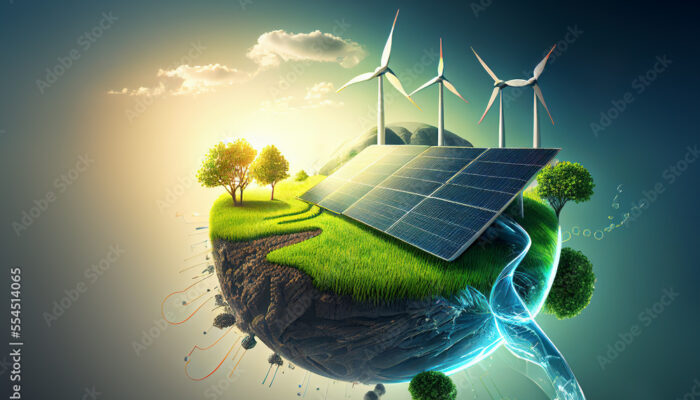
Renewable energy sources form the backbone of future fuel strategies, each with distinct benefits and challenges that must be carefully evaluated.
- Solar Energy:
Utilizes photovoltaic technology to convert sunlight into electricity. It offers vast potential due to the sun’s abundance but raises concerns about the environmental footprint of panel manufacturing materials. - Wind Energy:
Harnesses kinetic energy from wind through turbines. While effective and clean, it poses ecological challenges such as impacts on bird populations and local habitats.
Bioenergy: Organic Solutions for Sustainable Power
Bioenergy derives from organic matter, including agricultural residues and specially grown energy crops. Biofuels like biodiesel and bioethanol are notable for their ability to lower greenhouse gas emissions relative to fossil fuels. However, the allocation of land for energy crops must be balanced against food production needs to avoid compromising food security.
Hydrogen as a Promising Future Fuel
Hydrogen, often hailed as the “fuel of the future,” holds significant promise, especially when produced through water electrolysis powered by renewable energy sources-known as green hydrogen. This method offers a pathway to decarbonize sectors that are difficult to electrify, such as heavy transport and industrial processes. Despite its potential, the development of hydrogen infrastructure, including production, storage, and distribution networks, remains a substantial challenge.
Carbon Capture and Storage (CCS): Mitigating Emissions
CCS technology captures carbon dioxide emissions from industrial activities before they reach the atmosphere and stores them underground. This approach is critical for reducing the carbon footprint of existing fossil fuel use and industrial processes. However, questions about the economic feasibility and scalability of CCS persist, especially in the context of limited financial resources.
Energy Storage and Grid Management Innovations
Intermittent renewable sources like solar and wind require advanced energy storage solutions to ensure consistent power supply. Innovations in battery technology, including lithium-ion and emerging solid-state batteries, are pivotal in enhancing grid reliability and efficiency. Nonetheless, the environmental impact of mining and manufacturing these batteries must be addressed to ensure truly sustainable energy systems.
Socioeconomic Dimensions of the Energy Transition
The shift to renewable energy is not only a technical challenge but also a social one. Energy poverty disproportionately affects marginalized communities, exacerbating inequality. Ensuring equitable access to clean energy and fostering inclusive policies are essential to prevent deepening social divides and to promote a just energy transition.
Integrating Technology, Policy, and Culture
Successfully navigating the future fuels landscape requires a holistic approach that combines technological innovation, supportive policy frameworks, and cultural shifts towards sustainability. Public awareness and community engagement play crucial roles in driving behavioral changes and supporting renewable energy adoption at all levels.
Why Future Fuels Are Crucial
The transition to future fuels is vital for combating climate change, protecting ecosystems, and securing energy independence. It represents a convergence of environmental stewardship, economic opportunity, and social equity, making it a cornerstone of sustainable development worldwide.
Common Misconceptions About Future Fuels
Renewable energy sources are entirely free of environmental impact.
While cleaner than fossil fuels, renewables like solar and wind have environmental footprints related to material extraction and ecosystem disruption.
Hydrogen is a fully developed and widely available fuel.
Hydrogen technology is still emerging, with significant infrastructure and cost challenges to overcome before widespread adoption.
Biofuels do not affect food supply.
Large-scale biofuel production can compete with food crops for land, potentially impacting food security.
Practical Applications of Future Fuels
Future fuels are already being integrated into various sectors:
- Transportation:
Electric vehicles powered by renewable energy and hydrogen fuel cells are reducing reliance on gasoline and diesel. - Industry:
Green hydrogen is being explored to decarbonize steel production and chemical manufacturing. - Power Generation:
Solar and wind farms combined with battery storage are increasingly supplying grid electricity.
Conclusion: Charting a Sustainable Energy Future
The pursuit of future fuels embodies a complex interplay of innovation, environmental responsibility, and social justice. Addressing the multifaceted challenges requires collaborative efforts across science, technology, policy, and society. By embracing creativity and commitment, humanity can forge a sustainable energy future that balances human needs with the health of our planet.
FAQ
What are future fuels and why are they important?
Future fuels are alternative energy sources designed to reduce reliance on fossil fuels, helping to mitigate climate change and promote sustainable energy use.
Which renewable energy sources are considered future fuels?
Solar energy, wind energy, bioenergy (like biodiesel and bioethanol), hydrogen fuel, and technologies like carbon capture and storage are key future fuels.
What are the main challenges of transitioning to future fuels?
Challenges include material and environmental impacts, infrastructure costs, land use competition, economic feasibility, and ensuring equitable access to energy.
How does energy storage technology affect renewable energy adoption?
Energy storage, such as advanced batteries, addresses the intermittency of renewables by storing excess energy for use when generation is low, improving grid stability.





Leave a Reply