
Short Answer
Definition and Significance of Diamonds
Diamonds are renowned worldwide as symbols of luxury, beauty, and enduring value. Often celebrated in popular culture with the phrase “diamonds are forever,” these gemstones embody not only exceptional physical durability but also deep cultural and emotional significance. Beyond their aesthetic appeal, diamonds represent a fascinating geological phenomenon, formed under extreme conditions within the Earth’s interior and later transported to the surface through unique geological processes.
Geological Formation of Diamonds
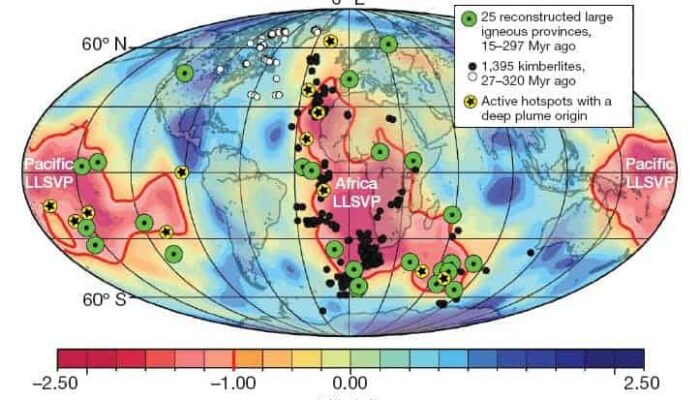
Diamonds originate deep within the Earth’s mantle, typically at depths ranging from 150 to 200 kilometers. They are formed under intense pressure and high temperatures, where carbon atoms arrange themselves into a rigid tetrahedral crystal lattice. This atomic structure is responsible for diamonds’ remarkable hardness and stability. The journey of diamonds from their formation zone to the Earth’s surface occurs through volcanic eruptions, specifically via kimberlite pipes-rare volcanic conduits that act as natural transport channels for these precious stones.
Carbon Crystallization Process
- High Pressure and Temperature:
Carbon atoms bond tightly under mantle conditions, creating a dense crystal lattice. - Kimberlite Pipes:
Volcanic structures that rapidly bring diamonds from deep within the mantle to the surface.
Techniques for Locating Diamond Deposits
Geologists employ a combination of fieldwork and advanced technology to identify potential diamond-bearing regions. The search for kimberlite pipes involves detailed geological mapping, geophysical surveys, and analysis of tectonic settings. This investigative process resembles a scientific treasure hunt, where each discovery contributes to a broader understanding of Earth’s geological history and stability.
Multidisciplinary Exploration Methods
- Geophysical Surveys:
Use of seismic, magnetic, and gravity data to detect subsurface anomalies indicative of kimberlite formations. - Geochemical Analysis:
Examination of soil and rock samples for mineral signatures associated with diamond deposits. - Remote Sensing and Modeling:
Satellite imagery and computational models help visualize and predict diamond distribution patterns.
Geographical Distribution and Geological Insights
The mapping of diamond occurrences not only pinpoints mining prospects but also reveals the dynamic geological processes that have shaped the Earth. Discoveries of kimberlite pipes in previously unexplored or barren regions have expanded scientific knowledge about ancient volcanic activity, tectonic shifts, and the assembly and breakup of supercontinents. These findings provide a geological narrative that extends far beyond the gemstones themselves.
Cultural and Symbolic Importance of Diamonds
Throughout history, diamonds have transcended their geological origins to become powerful cultural symbols. They are often associated with love, commitment, and social status, exemplified by traditions such as the diamond engagement ring. This cultural dimension enriches the story of diamonds, intertwining natural history with human values and societal customs.
Ethical and Environmental Considerations in Diamond Mining
The extraction and trade of diamonds raise significant ethical and environmental issues. The phenomenon of “blood diamonds” or conflict diamonds has highlighted the socio-political challenges linked to diamond mining, emphasizing the need for responsible sourcing and ethical practices within the industry. Geologists and mining companies bear the responsibility to ensure that diamond exploration and extraction do not harm local communities and adhere to humanitarian standards.
Environmental concerns are equally critical, as mining operations can disrupt fragile ecosystems, especially in remote areas. Sustainable mining practices and environmental stewardship are essential to minimize ecological damage. Increasing consumer awareness about the environmental footprint of luxury goods further underscores the importance of eco-friendly approaches in the diamond industry.
Conclusion: The Multifaceted Journey of Diamonds
The story of diamonds encompasses a remarkable blend of natural science, cultural significance, and ethical responsibility. From their formation deep within the Earth’s mantle to their emergence as treasured gemstones, diamonds illustrate the intricate connections between geology and human experience. The ongoing efforts of geologists to discover and understand diamond deposits not only advance scientific knowledge but also reflect evolving societal values. While diamonds may indeed be forever, the narratives and principles they embody continue to develop, enriching their legacy across generations.
FAQ
What geological processes lead to diamond formation?
Diamonds are formed under intense pressure and temperature in the Earth's mantle, and are later transported to the surface through volcanic eruptions.
What are the environmental impacts of diamond mining?
Diamond mining can disrupt ecosystems and local communities, leading to concerns about sustainability and ethical sourcing.




Leave a Reply