
Short Answer
Understanding the Phenomenon of Intensifying Summers
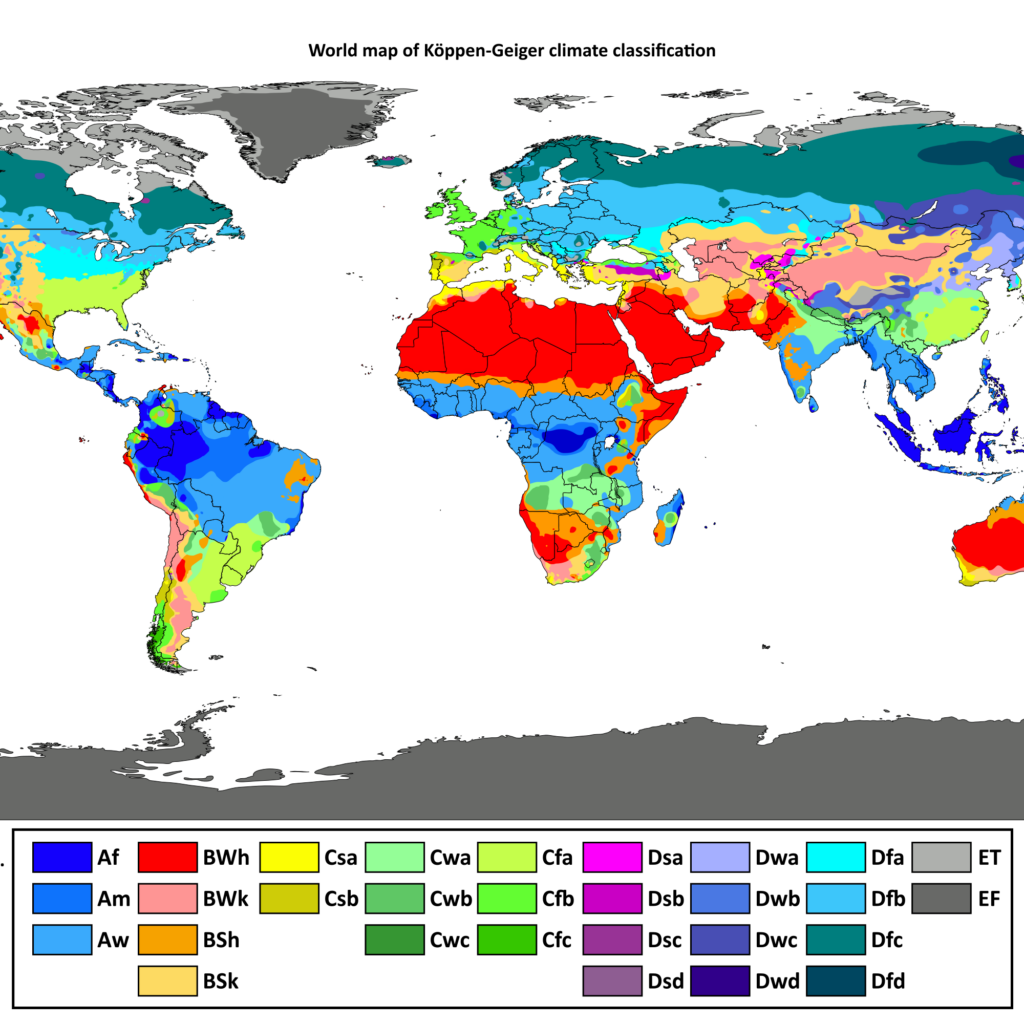
As humanity approaches an era marked by unprecedented climatic shifts, the evolving patterns of global weather demand careful scrutiny and reflection. Scientific research, combined with advanced climate modeling, forecasts increasingly intense and prolonged summer heatwaves. These projections do more than present statistical data; they paint a vivid picture of a planet progressively enveloped in extreme warmth.
Fundamentals of Climate Modeling
Climate science integrates complex mathematical frameworks with extensive empirical data to simulate atmospheric and surface interactions. By analyzing vast datasets-ranging from satellite observations to ocean current measurements-scientists develop sophisticated algorithms that capture the multifaceted variables influencing Earth’s climate. These models reveal a troubling trend: by the century’s end, many regions currently known for moderate summers may face relentless heatwaves, profoundly altering ecosystems and human livelihoods.
Key Components of Climate Models
- Data Sources:
Satellite imagery, oceanic and atmospheric measurements, and historical climate records provide the foundational inputs. - Algorithmic Simulations:
Mathematical representations of physical processes such as radiation balance, convection, and surface heat exchange. - Predictive Outputs:
Temperature trends, precipitation patterns, and extreme weather event probabilities.
Urban Heat Islands and Their Impact
In the Northern Hemisphere, urban environments exacerbate the effects of rising temperatures. Known as urban heat islands, these areas-characterized by dense infrastructure and limited vegetation-absorb and re-emit heat more intensely than surrounding rural zones. During peak summer months, cities can experience temperature increases exceeding 10°F compared to nearby countryside, transforming urban spaces into heat traps that challenge residents’ comfort and health.
Consequences for Agriculture
The agricultural sector faces significant threats from escalating summer temperatures. Staple crops such as corn, wheat, and soybeans are vulnerable to heat stress, which impairs photosynthesis and stunts growth. Prolonged exposure to temperatures beyond critical thresholds can drastically reduce crop yields, heightening the risk of food shortages. This scenario not only threatens economic stability but also has the potential to ignite geopolitical conflicts over scarce resources.
Public Health Challenges Amid Rising Heat
Elevated temperatures contribute to deteriorating air quality, increased allergen levels, and a surge in heat-related illnesses. Vulnerable groups-including the elderly and individuals with chronic health conditions-are particularly at risk. Healthcare systems may become overwhelmed during extreme heat events, turning ordinary summer days into critical periods requiring urgent medical attention.
Strategies for Adaptation and Mitigation
Despite these daunting challenges, climate models offer valuable insights that enable proactive responses. Urban planners are increasingly incorporating green infrastructure and reflective building materials to reduce heat absorption. In agriculture, innovations such as heat-tolerant crop varieties and advanced irrigation techniques are being developed to sustain productivity under harsher conditions.
Interdisciplinary Collaboration
Addressing the complexities of climate change necessitates cooperation across multiple disciplines. Meteorologists, ecologists, economists, and sociologists contribute diverse perspectives essential for crafting effective resilience strategies. This collaborative approach fosters innovation and supports the creation of sustainable solutions to mitigate the impacts of rising temperatures.
Role of Public Awareness and Engagement
Educating and involving the public is crucial for driving meaningful climate action. An informed citizenry can influence policy decisions and promote sustainable practices. Grassroots movements, empowered by knowledge, play a pivotal role in advocating for renewable energy adoption and environmental stewardship, laying the groundwork for a more resilient future.
Why Addressing Rising Summer Temperatures Is Crucial
The trajectory toward hotter summers represents a complex interplay between scientific prediction and societal response. While climate models forecast significant challenges, they also highlight opportunities for adaptation. By embracing sustainability and resilience, humanity can navigate the evolving climate landscape, preserving ecosystems and enhancing quality of life despite increasing heat stress.
Conclusion: Embracing Responsibility and Opportunity
Climate projections serve as both warnings and guides, urging collective action to mitigate the severity of future summers. Individuals, communities, and governments must unite in fostering environmental responsibility and innovation. Through concerted efforts, the daunting prospect of searing summers can be transformed into a catalyst for positive change, demonstrating that urgency and opportunity can coexist in the pursuit of a sustainable planet.
FAQ
What does the climate model predict for summers?
The climate model predicts increasingly intense and prolonged summer heatwaves.
How do urban heat islands affect temperatures?
Urban heat islands can increase temperatures in cities by over 10°F compared to surrounding rural areas.
What are the public health challenges associated with rising temperatures?
Rising temperatures lead to poorer air quality and increased heat-related illnesses, especially among vulnerable populations.





Leave a Reply