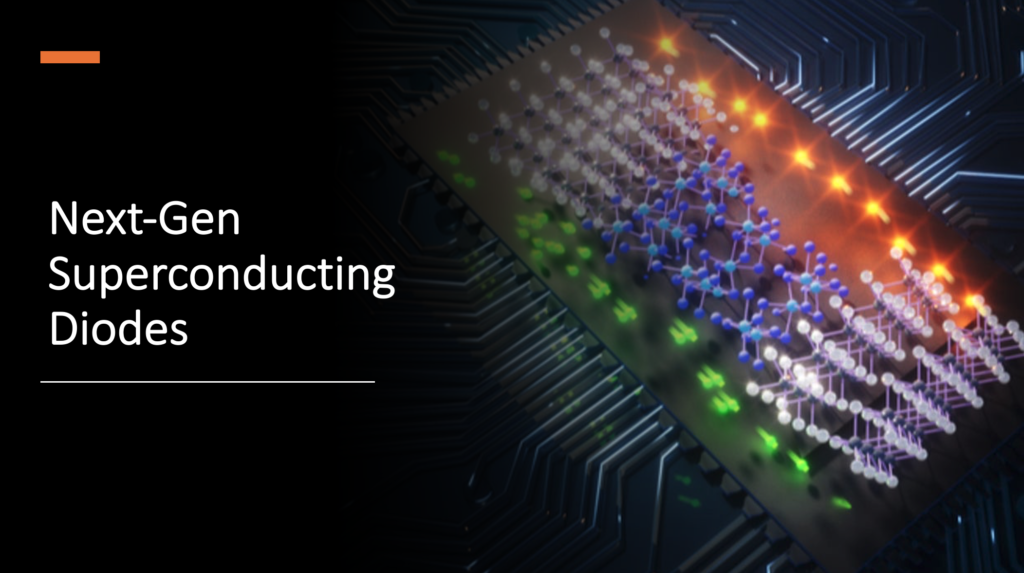
Superconducting Diodes?

Definition of Superconducting Diodes Superconducting diodes are specialized electronic components that permit electrical current to flow predominantly in one direction, effectively blocking reverse current, similar to traditional diodes. What sets them apart is their foundation in superconductivity-a quantum mechanical phenomenon where certain materials exhibit zero electrical resistance below a critical temperature. This unique property enables […]


Read More →

What would gaming be like using quantum computers?

Understanding Quantum Computing in Gaming Quantum computing represents a revolutionary advancement in computational technology, poised to redefine the gaming industry. Unlike traditional computers that use bits as the smallest unit of data, quantum computers operate with quantum bits or qubits. These qubits harness the principles of quantum mechanics, such as superposition and entanglement, enabling them […]

Read More →

What advancements will quantum computing create?

Understanding Quantum Computing Quantum computing signifies a revolutionary leap in computational technology, harnessing the unique phenomena of quantum mechanics to process information in fundamentally new ways. Unlike classical computers that operate on binary bits, quantum computers utilize quantum bits or qubits, which can exist simultaneously in multiple states due to superposition and can be intricately […]

Read More →

When will the first quantum computer be released?

Understanding Quantum Computing Quantum computing represents a groundbreaking frontier in modern science and technology, characterized by its blend of immense potential and inherent uncertainty. At its core, this technology challenges conventional computing paradigms by harnessing the principles of quantum mechanics, raising profound questions about its future availability and societal impact. Fundamental Concepts of Quantum Computing […]

Read More →

What is quantum cryptography?

Definition of Quantum Cryptography Quantum cryptography is a cutting-edge interdisciplinary field that merges concepts from physics, mathematics, and computer science to develop secure communication techniques based on the principles of quantum mechanics. Unlike traditional cryptographic methods that rely on computational difficulty, quantum cryptography introduces fundamentally new approaches to safeguarding information, promising security that can theoretically […]

Read More →

Bosons Form Quantum Threesome: Entanglement Just Got Intimate

Definition of Bosonic Entanglement Bosonic entanglement refers to the quantum phenomenon where bosons-particles with integer spin-become interconnected such that the state of each particle cannot be described independently of the others. This entanglement leads to correlations that persist regardless of the spatial separation between the particles, revealing fundamental aspects of quantum mechanics and particle behavior. […]

Read More →

From Classical to Quantum: Why Reversible Gates Rule the Future

Understanding Reversible Computation Reversible computation marks a transformative shift in the way information is processed, moving away from traditional irreversible methods toward systems that preserve data throughout operations. This concept is embodied by reversible gates-specialized logic components designed to ensure that outputs can uniquely reconstruct their inputs, thereby maintaining information integrity and minimizing energy loss. […]

Read More →

What are some common uses of quantum computers?

Understanding Quantum Computing Quantum computing represents a revolutionary intersection between the disciplines of computer science and quantum physics. Unlike classical computers, which process information in binary bits, quantum computers utilize quantum bits or qubits that can exist in multiple states simultaneously. This fundamental difference enables quantum machines to tackle computational problems that are currently beyond […]

Read More →

Is quantum computing just analog? – galaxy new tech?

Definition of Quantum Computing Quantum computing represents a revolutionary field of study that merges the principles of quantum mechanics with computational technology. Unlike classical computing, which relies on bits existing strictly as 0s or 1s, quantum computing utilizes quantum bits, or qubits, which can simultaneously embody multiple states due to the phenomenon of superposition. This […]

Read More →

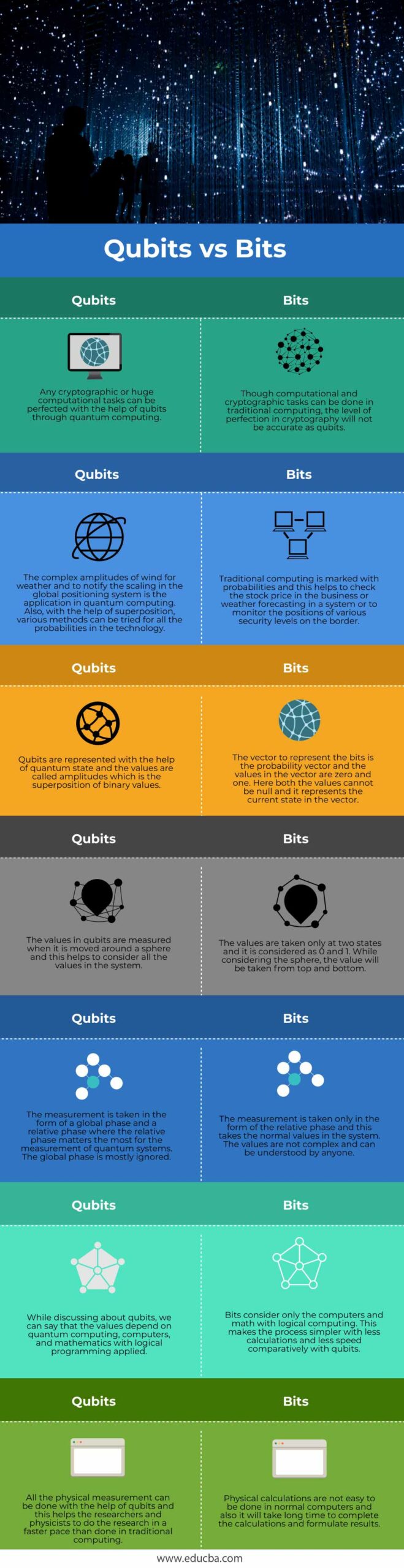
How are qubits different from classical bits?

Definition of Classical Bits and Qubits In computing, the fundamental units of information are classical bits and quantum bits, commonly known as qubits. These two forms represent distinct paradigms in information processing, each underpinning different computational frameworks. Classical bits form the foundation of traditional computing systems, while qubits are central to the emerging field of […]

Read More →