Is Quantum Machine Learning a good career?

Understanding Quantum Machine Learning Quantum machine learning (QML) represents a cutting-edge fusion of two transformative scientific domains: quantum mechanics and machine learning. Quantum mechanics, a cornerstone of modern physics, explores phenomena that often defy classical logic, involving the behavior of particles at atomic and subatomic scales. Machine learning, a branch of artificial intelligence, empowers computers […]

Read More →

How many quantum computers are there in the world?

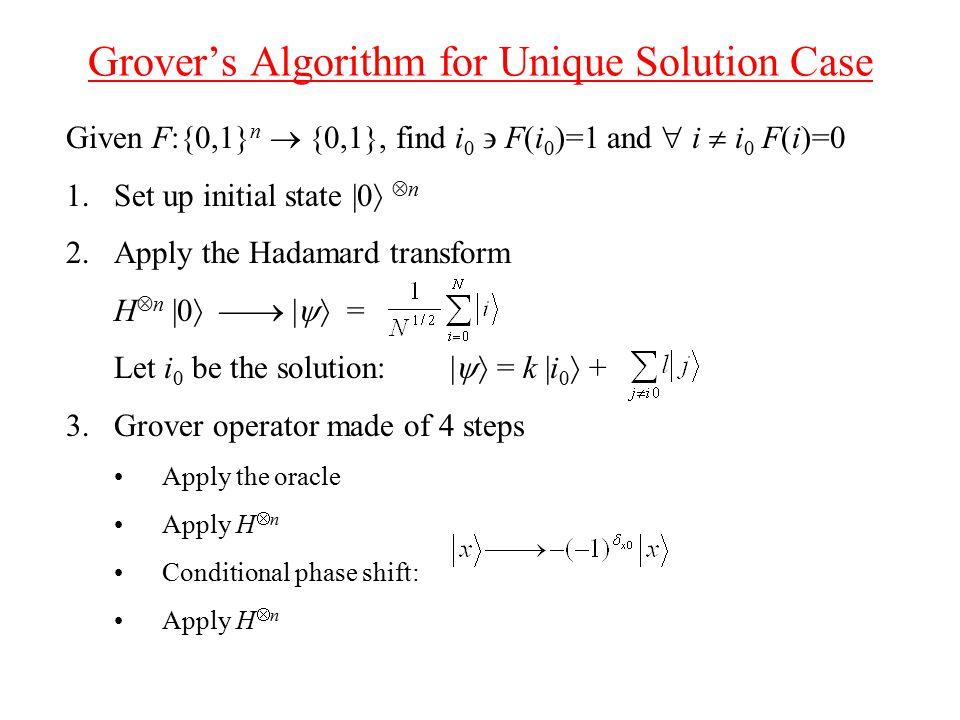
Definition of Quantum Computers Quantum computers represent a revolutionary class of computational devices that leverage the principles of quantum mechanics to process information. Unlike traditional computers, which operate using binary bits (0s and 1s), quantum computers utilize quantum bits, or qubits, which can exist in multiple states simultaneously due to phenomena such as superposition and […]
Read More →

Will quantum computers mean the end of encryption?

Understanding Quantum Computing and Its Impact on Encryption The emergence of quantum computing marks a pivotal shift in the realm of information technology, prompting critical discussions about the future of data security. Central to these discussions is the question of whether quantum machines will compromise the cryptographic techniques that currently protect our digital communications. This […]

Read More →

How is Schrödinger’s equation used in quantum computing?

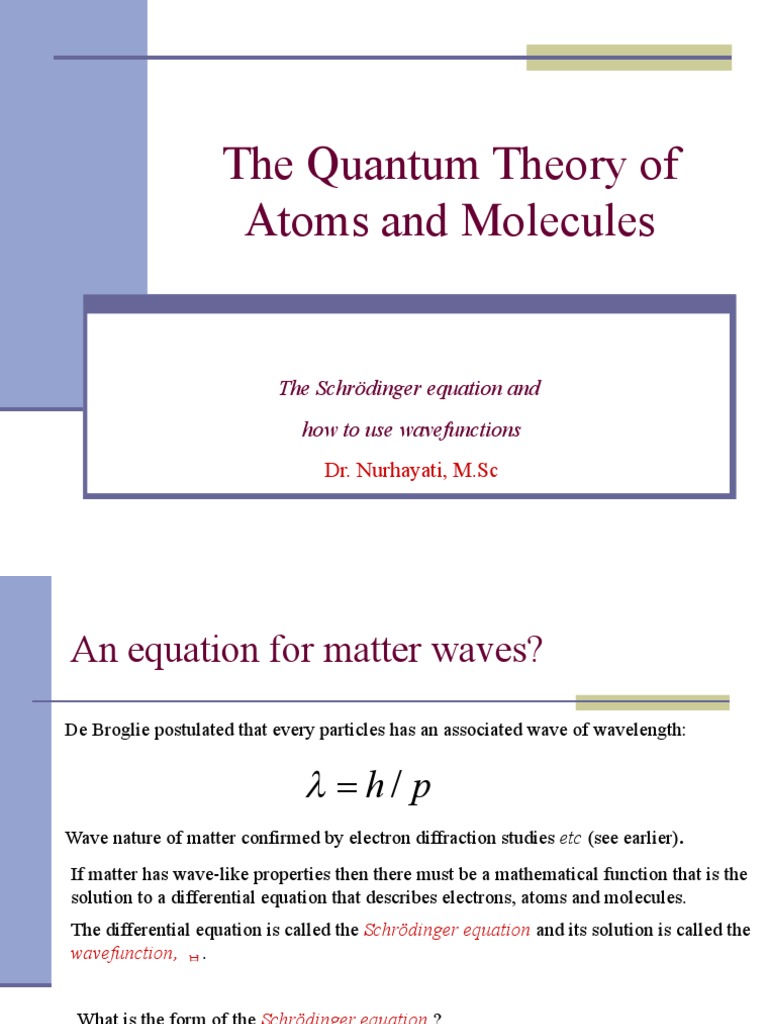
Definition of Schrödinger’s Equation in Quantum Mechanics Schrödinger’s equation is a fundamental mathematical formulation that describes how quantum systems evolve over time. Unlike classical mechanics, which assigns definite positions and velocities to particles, this equation characterizes the state of a quantum system through a wave function. This wave function encodes the probabilities of finding a […]

Read More →

Can quantum computers run mainstream operating systems?

Understanding Quantum Computing Quantum computing signifies a revolutionary shift in how computations are performed, grounded in the principles of quantum mechanics. Unlike classical computing, which relies on bits as the smallest unit of data, quantum computing uses quantum bits or qubits. These qubits possess unique properties such as superposition and entanglement, enabling quantum computers to […]

Read More →

When will we have a 1 000 000 qubit quantum computer?

Definition of Quantum Computing Quantum computing represents a revolutionary approach to information processing that fundamentally differs from classical computing. Instead of relying on bits, which are binary units representing either 0 or 1, quantum computers use quantum bits or qubits. These qubits can exist in a superposition state, meaning they simultaneously hold both 0 and […]

Read More →

How is quantum cryptography used to secure information?

Definition of Quantum Cryptography Quantum cryptography is an advanced method of securing information by utilizing the principles of quantum mechanics. Unlike traditional cryptographic techniques that rely on mathematical complexity, quantum cryptography leverages the unique behaviors of quantum particles to protect data from unauthorized access. This approach ensures that any attempt to intercept or tamper with […]

Read More →

How quantum computing helps for the growth of technology?

Understanding Quantum Computing Quantum computing represents a transformative leap in computational technology, leveraging the principles of quantum mechanics to surpass the limitations of classical computing. At its core, quantum computing utilizes quantum bits, or qubits, which differ fundamentally from traditional binary bits. While classical bits exist strictly as 0 or 1, qubits can simultaneously occupy […]

Read More →

What role will material science play in quantum computing?

Definition of Quantum Computing and Material Science Quantum computing represents a groundbreaking shift in computational technology, leveraging the principles of quantum mechanics to perform complex calculations far beyond the reach of classical computers. Material science, the study of the properties and applications of materials, is integral to the advancement of quantum computing. It provides the […]

Read More →

How developed is quantum computing?

Definition of Quantum Computing Quantum computing represents a cutting-edge domain at the intersection of physics and technology, leveraging the principles of quantum mechanics to revolutionize computational methods. Unlike traditional computing, which relies on binary bits, quantum computing utilizes quantum bits or qubits that can exist in multiple states simultaneously. This unique capability opens avenues for […]

Read More →