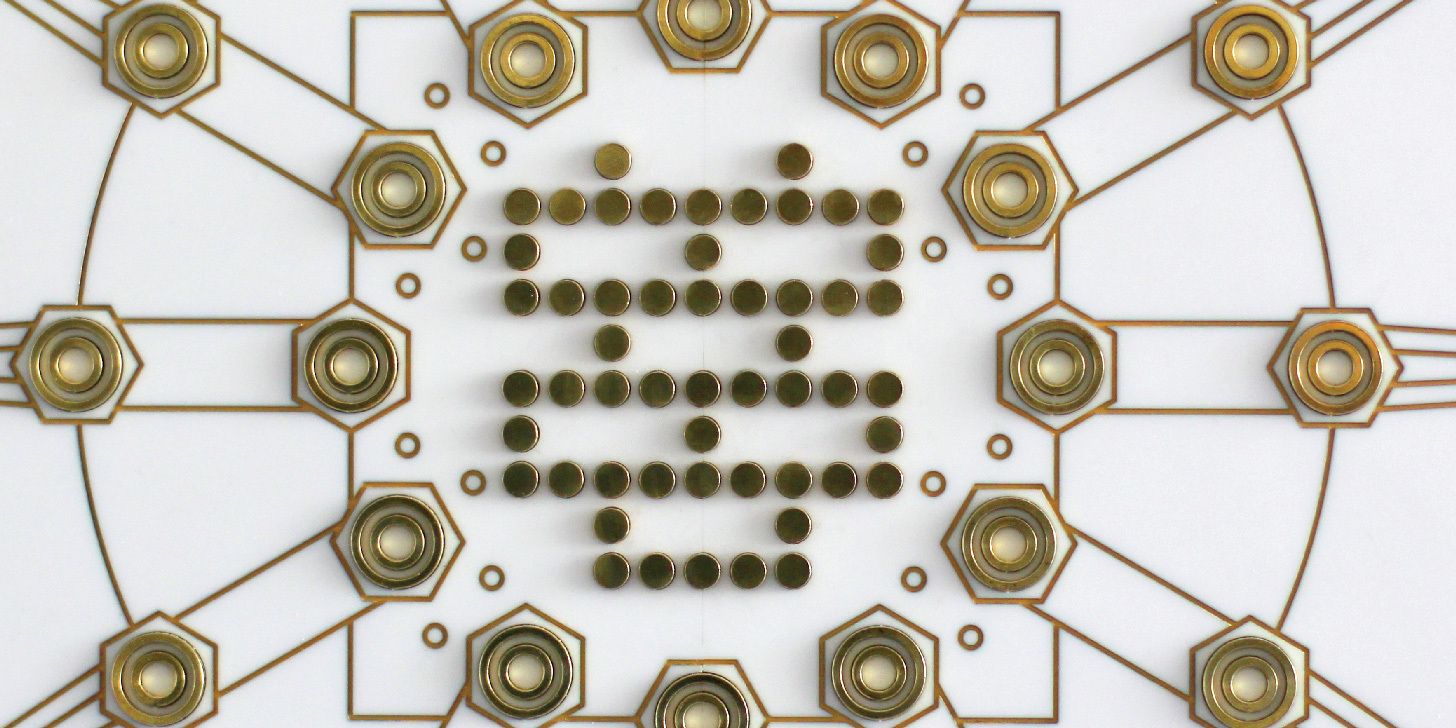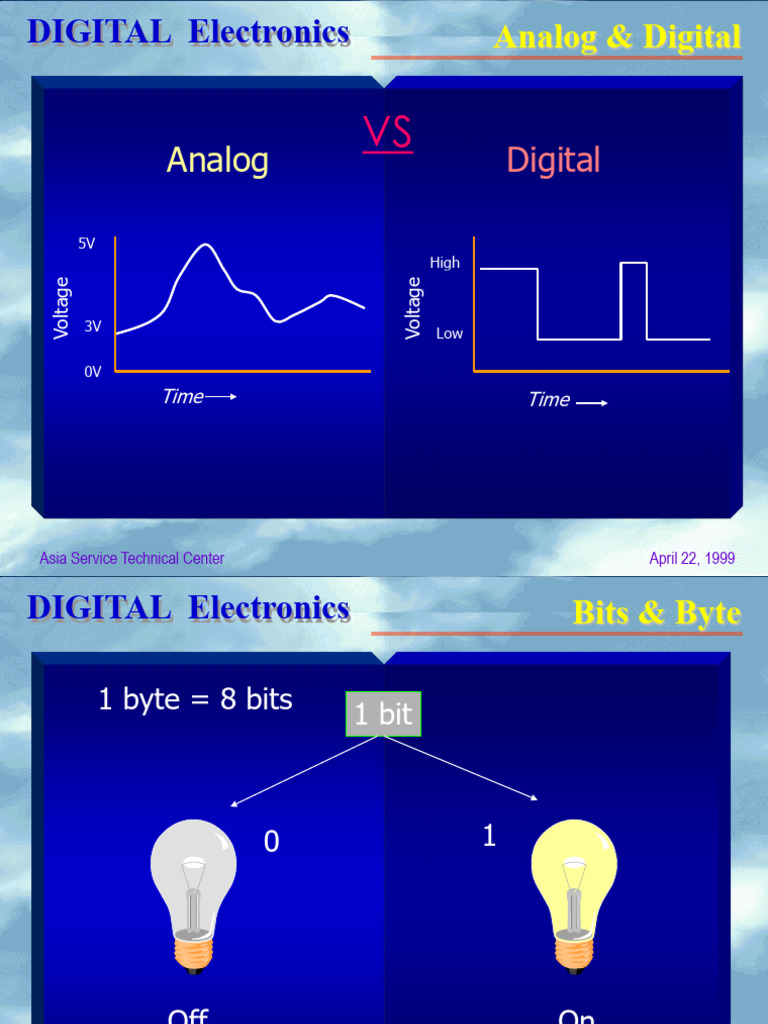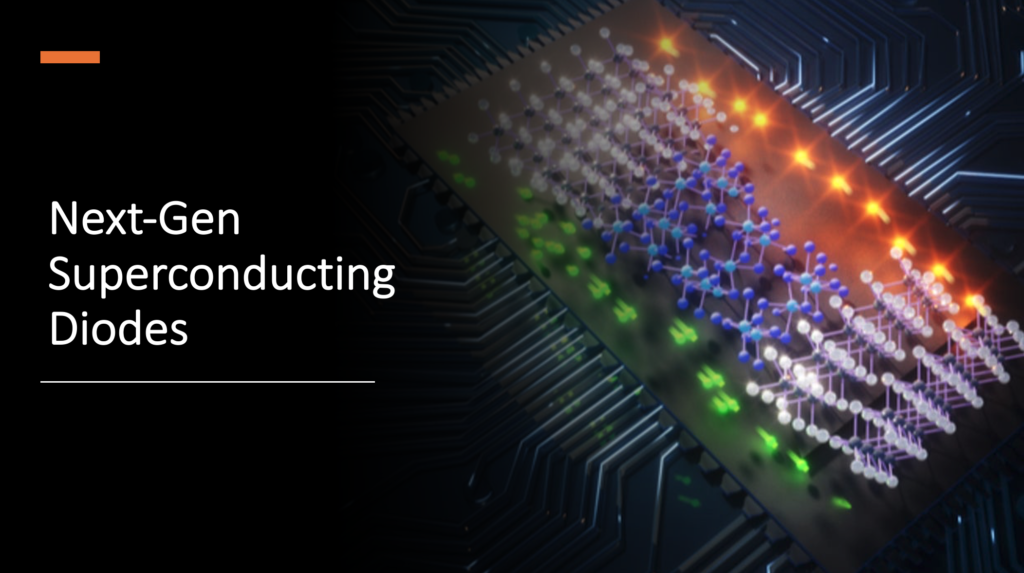
What is Quantum computing? Will we be able to see it soon?

Understanding Quantum Computing Quantum computing represents a groundbreaking shift in computational technology, leveraging the unique principles of quantum mechanics to vastly enhance processing power. Unlike traditional computers that use bits-binary units represented as either 0 or 1-quantum computers operate with quantum bits, or qubits. These qubits can exist in multiple states simultaneously, thanks to the […]

Read More →

Order from Chaos: Building Computers with Disorder

Understanding Disorder in Computing In the realm of modern technology, traditional computing has long been grounded in binary logic and orderly structures. However, recent developments reveal that disorder-characterized by randomness and lack of predictable patterns-can be a valuable asset in advancing computational methods. Disorder, often viewed as the antithesis of systematic design, involves components interacting […]

Read More →

Which is best

Understanding the Concept of “Best” The question “Which is best?” transcends a simple comparison, inviting a deep investigation into qualitative assessment and subjective judgment across various fields. Rather than seeking an absolute answer, this inquiry explores the complexities involved in determining superiority, encompassing technological advancements, philosophical reflections, and evolving standards. Subjectivity and Context in Defining […]

Read More →

How is chemistry involved with a computer?

Definition and Overview Chemistry and computer science, though traditionally viewed as separate disciplines, are increasingly intertwined in modern scientific and technological progress. This integration leverages computational tools to enhance chemical research, material innovation, pharmaceutical development, and education. Understanding this synergy reveals how computational approaches transform the study and application of chemistry. Computational Chemistry: Core Concepts […]

Read More →

Is it true that quantum computers cannot be hacked?

Understanding Quantum Computing Quantum computing marks a transformative shift in how computations are performed, offering capabilities far beyond those of classical computers. At its core, quantum computing leverages the principles of quantum mechanics, enabling quantum bits, or qubits, to exist in multiple states simultaneously through a phenomenon known as superposition. This unique property allows quantum […]

Read More →

Quantum Computing vs Artificial Intelligence for a PhD?

Definition and Overview Quantum Computing and Artificial Intelligence (AI) are two cutting-edge fields that have become pivotal in advancing computational technology. While they originate from different scientific backgrounds, both aim to significantly enhance computational power and solve problems that are currently beyond the reach of traditional computing methods. For doctoral candidates, the intersection of these […]

Read More →

Will quantum computing make RSA encryption obsolete?

Understanding RSA Encryption RSA encryption is a cornerstone of modern cryptography, widely recognized for its role in securing digital communications. It relies on the mathematical challenge of prime factorization, where two large prime numbers are multiplied to create a public and private key pair. The security of RSA hinges on the difficulty classical computers face […]

Read More →

Will quantum computing replace the cloud in the future?

Understanding Quantum Computing and Cloud Technology Quantum computing has recently captured significant attention from technologists, researchers, and industry experts due to its transformative potential across various fields such as data analytics, cybersecurity, and artificial intelligence. This emerging technology raises an important question: could quantum computing eventually replace traditional cloud computing? To address this, it is […]

Read More →

Superconducting Diodes?

Definition of Superconducting Diodes Superconducting diodes are specialized electronic components that permit electrical current to flow predominantly in one direction, effectively blocking reverse current, similar to traditional diodes. What sets them apart is their foundation in superconductivity-a quantum mechanical phenomenon where certain materials exhibit zero electrical resistance below a critical temperature. This unique property enables […]

Read More →