How to build a particle accelerator?

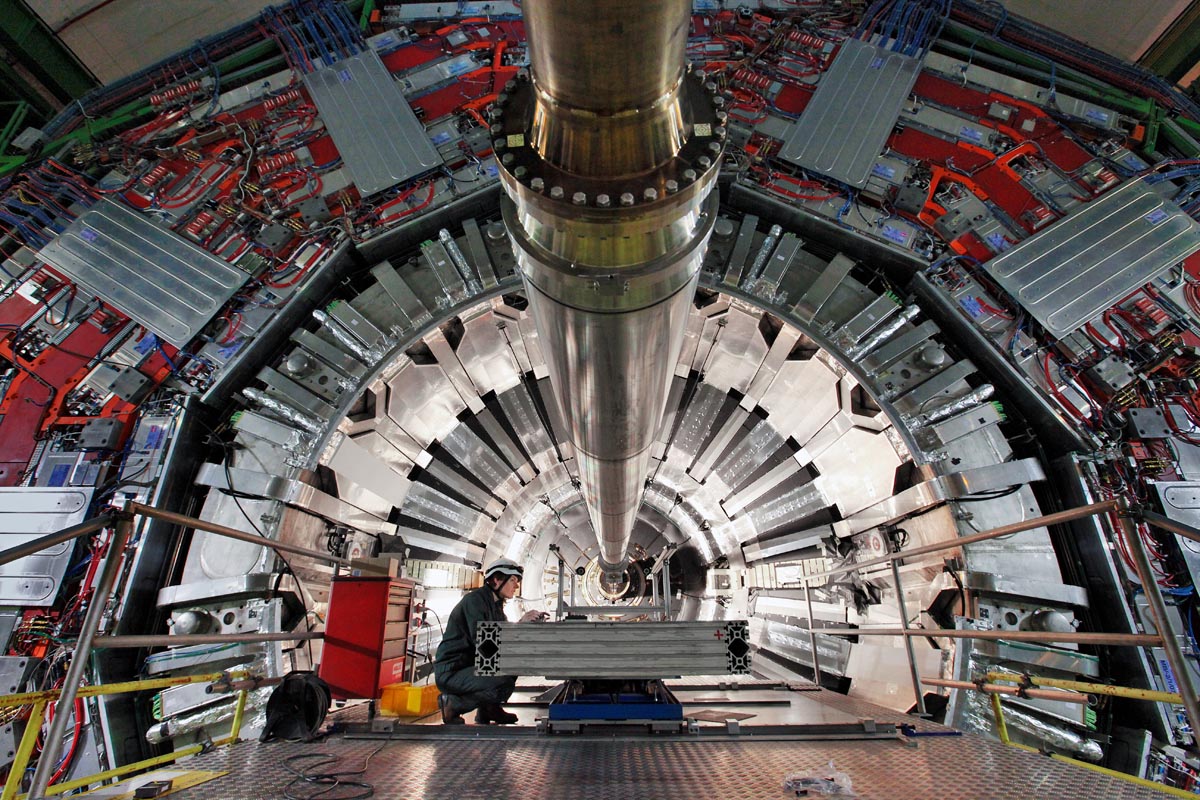
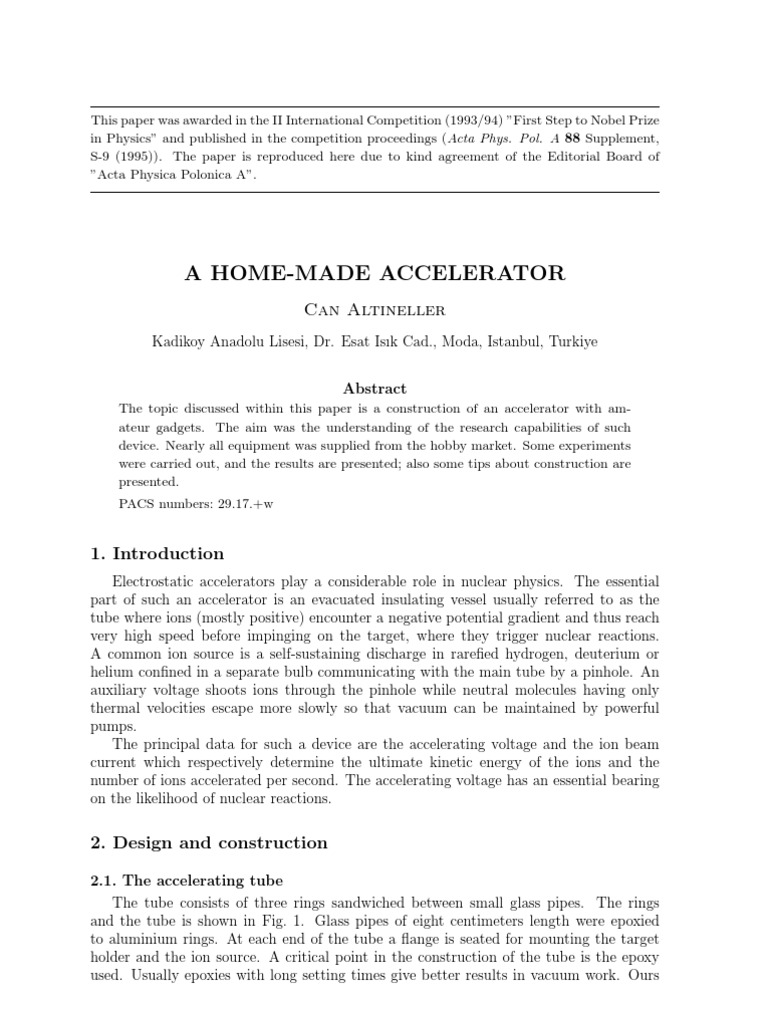
Definition of Particle Accelerators Particle accelerators are sophisticated devices designed to propel charged particles, such as electrons or protons, to extremely high velocities using electromagnetic fields. These machines enable scientists to investigate the fundamental constituents of matter and the forces that govern the universe by creating conditions that mimic those found in high-energy environments. Charged […]
Read More →

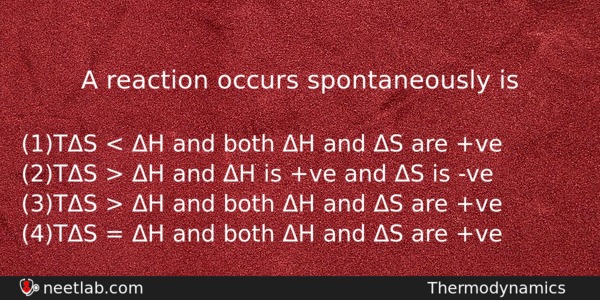
Does a nuclear reaction take place spontaneously?

Definition of Spontaneity in Nuclear Reactions In the context of nuclear physics, spontaneity refers to nuclear processes that occur without the need for continuous external influence or intervention. Unlike random events, spontaneous nuclear reactions follow inherent physical laws and energetic conditions that allow them to proceed naturally. This concept parallels the idea of spontaneity in […]

Read More →

What are current research directions in particle physics?

Overview of Particle Physics Research Particle physics is a dynamic field dedicated to uncovering the most basic building blocks of matter and the forces that dictate their interactions. As scientists probe deeper into the universe’s fundamental structure, several key research themes have emerged. These areas not only aim to clarify established theories but also seek […]

Read More →

Why is Higgs boson a boson

Definition of the Higgs Boson The Higgs boson, frequently dubbed the “god particle,” is a fundamental particle that plays a crucial role in modern physics. It is an elementary boson, a category of particles characterized by specific quantum properties. The discovery of the Higgs boson has significantly deepened our comprehension of how particles acquire mass […]

Read More →

Why is it assumed that neutrinos have rest mass?

Definition of Neutrinos and Their Rest Mass Neutrinos are a unique category of subatomic particles that have intrigued scientists for many decades due to their elusive nature. Originally thought to be devoid of mass, modern experimental findings have necessitated a revision of this assumption, particularly concerning their intrinsic rest mass. This article aims to clarify […]

Read More →

What are specific topics in particle physics?

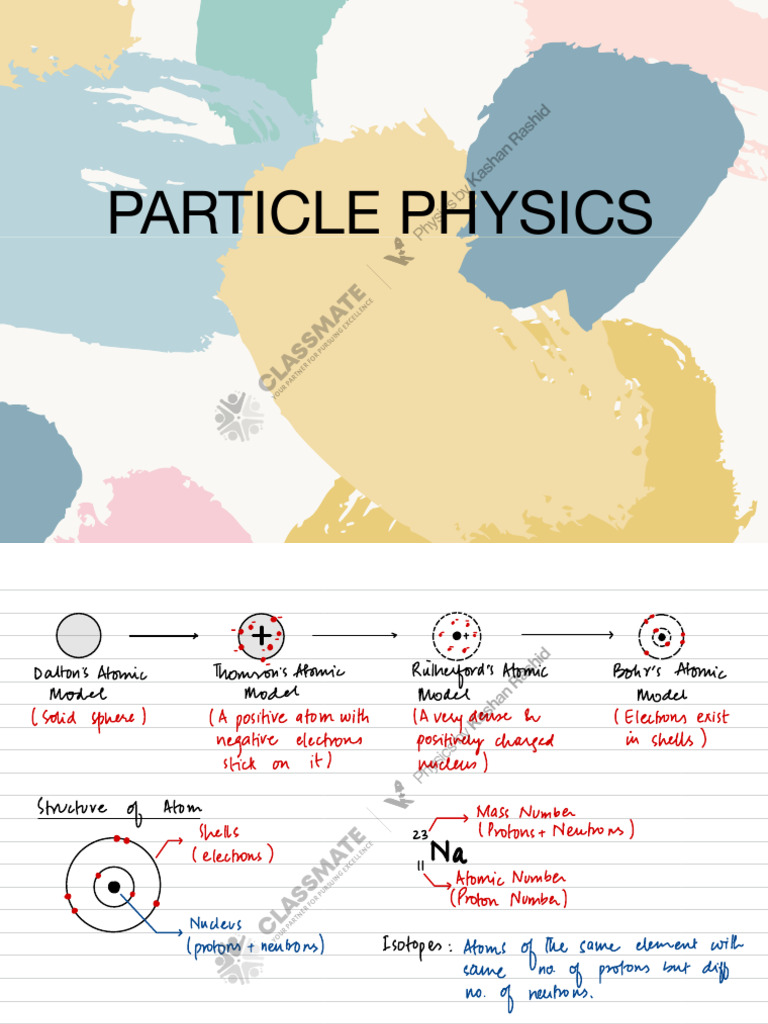
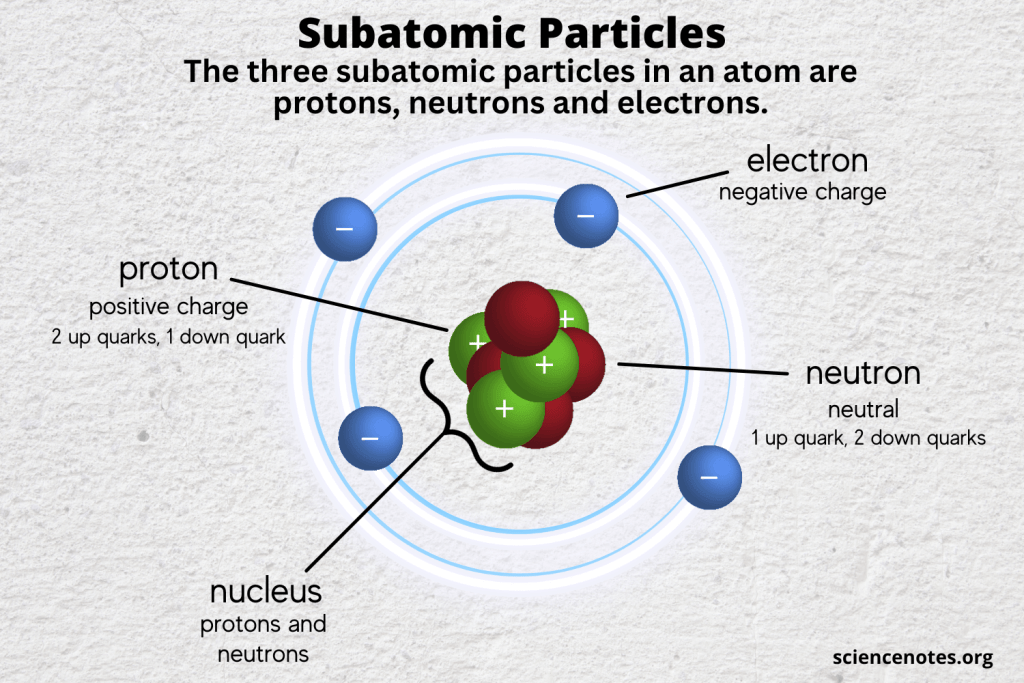
Definition of Particle Physics Particle physics is a branch of science dedicated to exploring the most elementary components of matter and the fundamental forces that dictate their behavior. This field seeks to decode the universe’s underlying structure by studying particles that constitute all known matter and the interactions that govern their dynamics. It encompasses a […]

Read More →

Why does a nuclear reactor glow blue?

Definition of Cherenkov Radiation Cherenkov radiation is a distinctive blue glow emitted when charged particles, such as electrons, travel through a transparent medium at speeds exceeding the phase velocity of light in that medium. This phenomenon is commonly observed in nuclear reactors and is a direct consequence of the interaction between high-energy particles and the […]

Read More →

What are some interesting facts about CERN?

Definition and Overview of CERN The European Organization for Nuclear Research, commonly known as CERN, is a premier scientific institution dedicated to advancing our understanding of the universe’s fundamental components. Founded in 1954, CERN’s primary objective is to investigate the basic building blocks of matter through the study of high-energy particle physics. It serves as […]

Read More →

What particles decay via strong interaction?

Definition of Strong Interaction and Particle Decay The strong interaction, also known as the strong nuclear force, is a fundamental force described by quantum chromodynamics (QCD) that governs the behavior of quarks and gluons. It is the primary force responsible for binding protons and neutrons within atomic nuclei. Particle decay via the strong interaction refers […]

Read More →