What makes particles follow the laws of physics?

Definition of Particle Behavior in Physics Particles are the fundamental constituents of the universe, forming the essential building blocks of all matter and energy. Their behavior is governed by a set of universal physical laws that dictate how they interact, move, and transform. Understanding why particles conform to these laws requires exploring the principles of […]

Read More →

What are some good books on the history of nuclear physics?

Definition Nuclear physics is a branch of science dedicated to studying the components, behavior, and interactions of atomic nuclei. It encompasses the exploration of fundamental particles, nuclear reactions, and the energy stored within the nucleus, which has profound implications for both theoretical understanding and practical applications. Historical Context and Evolution The development of nuclear physics […]

Read More →

Probing Hyperfine Splitting with Antiprotons: Small Gaps Big Ideas

Understanding Hyperfine Splitting Hyperfine splitting refers to the minute energy differences observed in atomic energy levels, arising from interactions between the magnetic moments of electrons and atomic nuclei. This phenomenon is a fundamental aspect of quantum electrodynamics (QED) and plays a crucial role in revealing the intricate details of atomic and subatomic structures. By examining […]

Read More →

Is the standard model of particle physics complete?

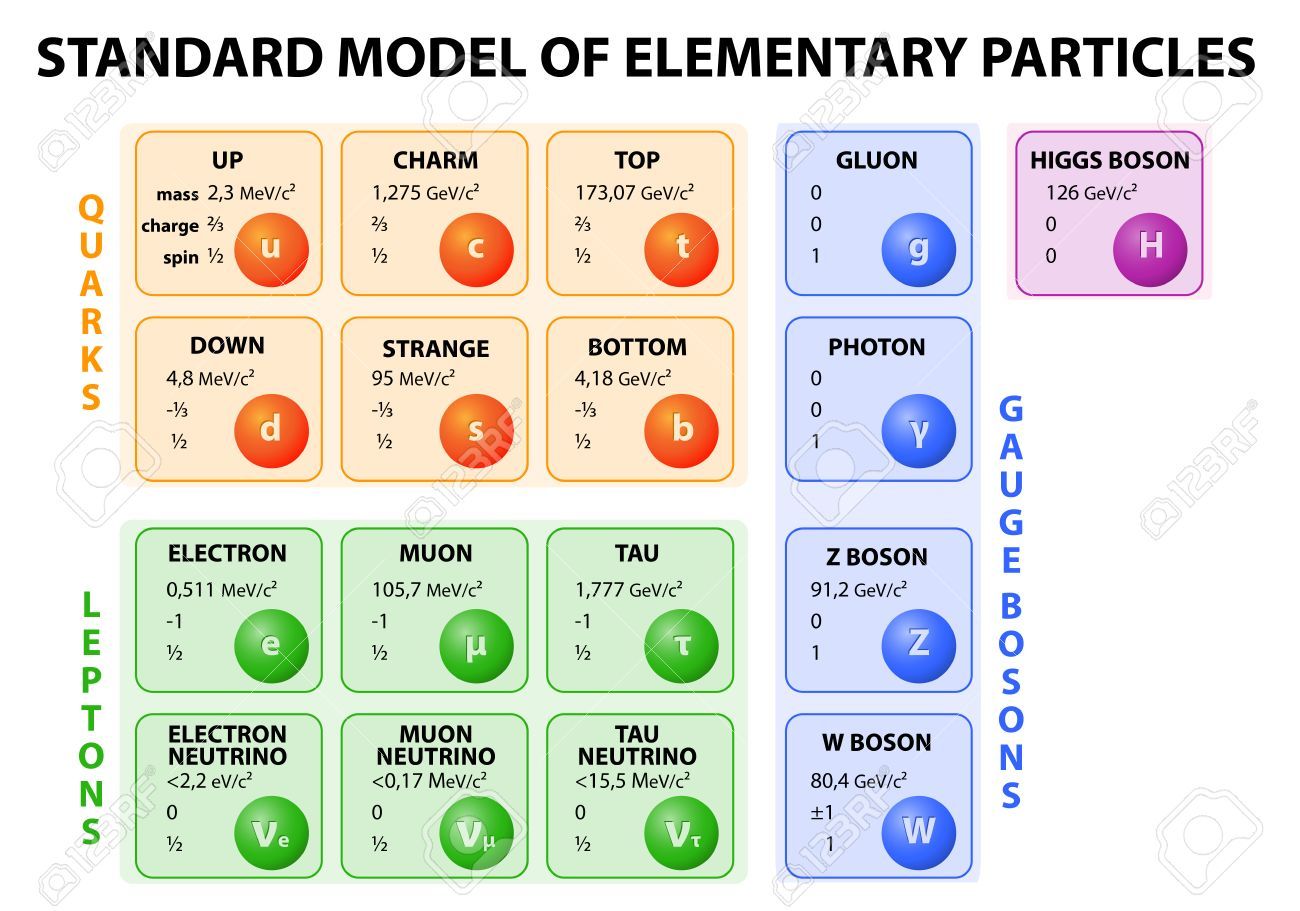
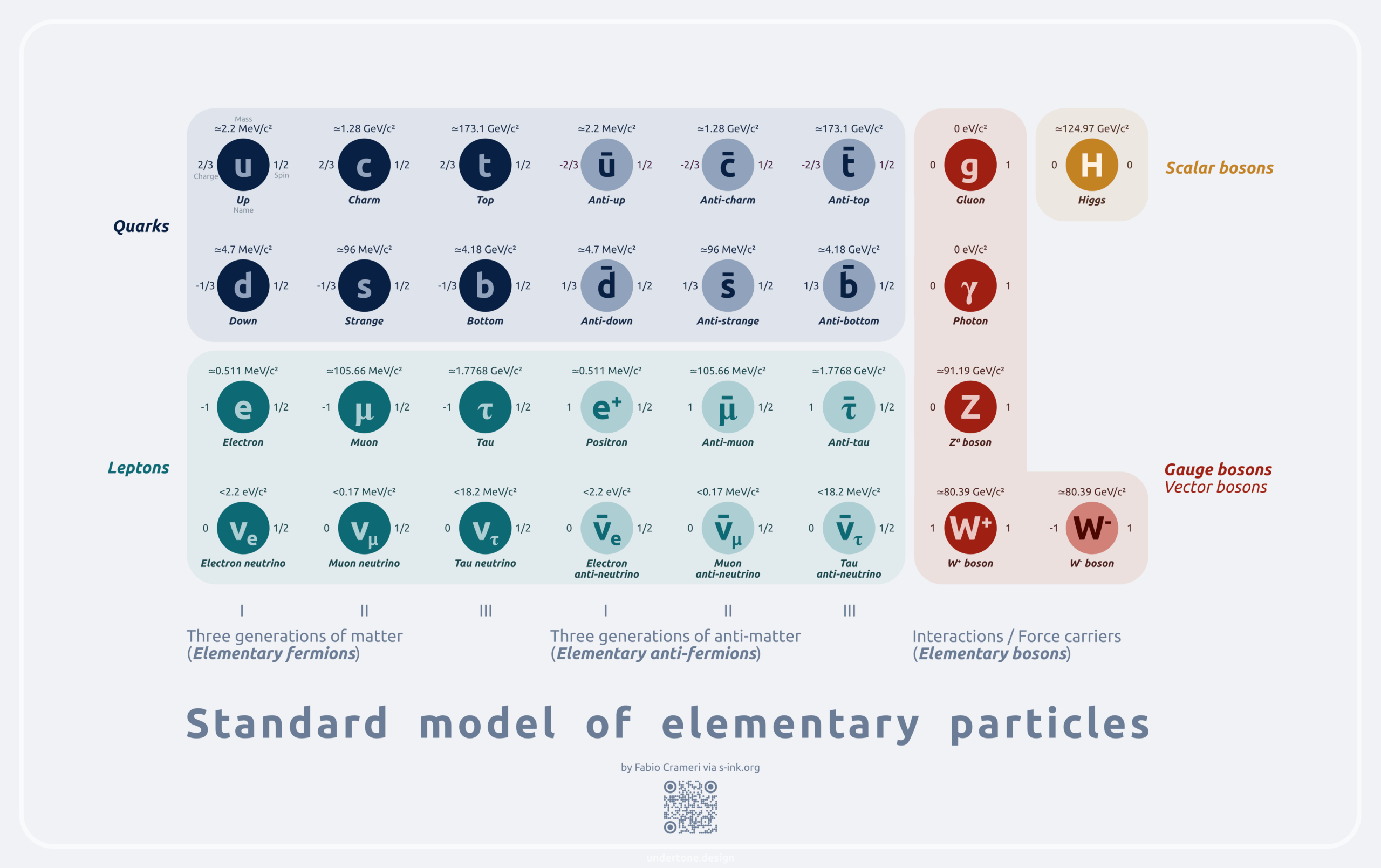
Overview of the Standard Model The Standard Model of particle physics represents a pinnacle of scientific progress, developed through decades of theoretical insight and experimental confirmation. It provides a comprehensive framework describing the fundamental particles and the forces that mediate their interactions. Despite its elegance and predictive power, the model raises an important question: does […]

Read More →

How significant is LLNL’s recent nuclear fusion experiment?

Definition of Nuclear Fusion Nuclear fusion is a fundamental process in which two light atomic nuclei combine to form a heavier nucleus, releasing a tremendous amount of energy. This reaction powers stars, including our sun, where immense pressure and temperature enable hydrogen isotopes to fuse, producing helium and vast energy output. Replicating this stellar phenomenon […]

Read More →

Does energy include particles in its structure?

Definition of Energy and Particles Energy is a fundamental concept in physics, representing the ability to perform work or cause change. It exists in multiple forms, including kinetic, potential, thermal, and electromagnetic energy. Particles, on the other hand, are the tiny constituents of matter, such as electrons, protons, and neutrons, which make up atoms and […]

Read More →

What’s the difference between neutrons and neutrinos?

Definition and Fundamental Properties Within the microscopic domain of subatomic particles, neutrons and neutrinos stand out as intriguing constituents that contribute to the universe’s structure and behavior. Despite sharing a similar prefix, these particles differ markedly in their nature, characteristics, and roles in physics. Neutrons: Classified as baryons, neutrons are composite particles found in atomic […]

Read More →

What are the mathematics needed for nuclear physics?

Definition of Nuclear Physics and Its Mathematical Foundations Nuclear physics is a specialized area of physics focused on the study of atomic nuclei, their components, and the interactions that govern their behavior. This field relies heavily on advanced mathematical frameworks to describe and predict nuclear phenomena. A comprehensive grasp of various mathematical disciplines is essential […]

Read More →

How was it discovered that neutrinos have mass?

Definition of Neutrino Mass Neutrinos are subatomic particles characterized by their extremely small mass and weak interaction with matter. Traditionally, according to the Standard Model of particle physics, neutrinos were considered massless gauge bosons. However, experimental discoveries have since demonstrated that neutrinos do possess a tiny, but nonzero, mass. This revelation has significant implications for […]

Read More →

What is the LHC?

Overview of the Large Hadron Collider The Large Hadron Collider (LHC) stands as a pinnacle achievement in modern particle physics, functioning as the world’s largest and most powerful particle accelerator. Situated underground along the Franco-Swiss border near Geneva, this immense scientific instrument stretches approximately 27 kilometers in circumference. It embodies a monumental collaborative effort involving […]

Read More →