How would a 2D human live their life?

The concept of a two-dimensional (2D) human, an entity constrained to a flat plane, evokes a multitude of fascinating considerations about existence, experience, and interaction with the world. This hypothetical exploration seeks to examine the multifarious aspects of life for a being that exists in only two dimensions, touching upon physical attributes, essential activities, social […]

Read More →

What is the difference between graphene and graphite?

The scientific intrigue surrounding graphene and graphite rests fundamentally on their structural composition and the implications of these structures on their respective properties and applications. To the untrained eye, these two carbon allotropes may seem interchangeable, yet, they represent a profound divergence in both characteristics and potential uses. This exploration dissects their differences, not merely […]

Read More →

Why is graphene so light?

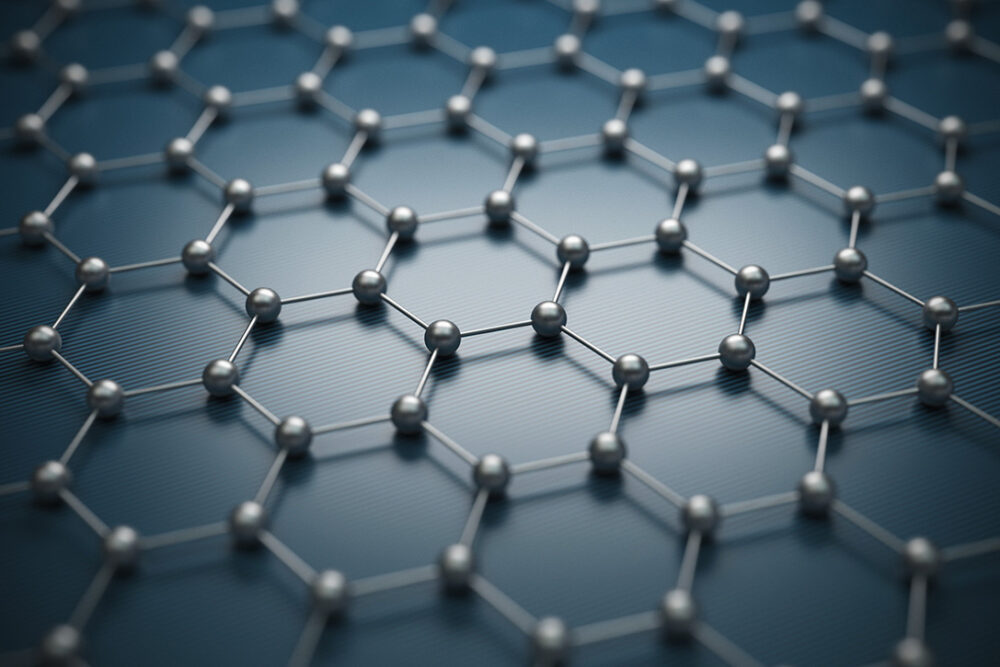
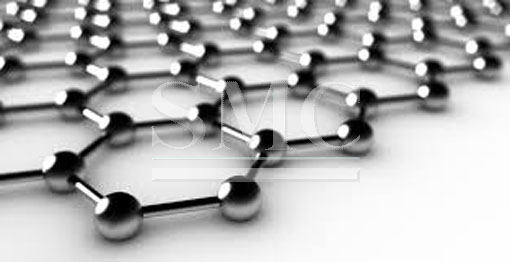
Graphene, a single layer of carbon atoms arranged in a two-dimensional hexagonal lattice, has captivated scientists and engineers alike since its isolation in 2004. The exceptional properties of graphene render it a material of immense interest across various domains, from electronics to materials science. Among its most intriguing characteristics, the remarkable lightness of graphene urges […]

Read More →

What are some hot topics in graphene research?

Graphene, a monolayer of carbon atoms arranged in a two-dimensional honeycomb lattice, has emerged as one of the most revolutionary materials in contemporary materials science. Its remarkable electrical, mechanical, and thermal properties make it a compelling subject of research. In this exploration, we will delve into some of the most pressing topics within the realm […]

Read More →

What are the practical applications of topology?

Topology, a branch of mathematics, transcends traditional geometrical perspectives, probing the intrinsic properties of space and form. It investigates spaces that are fundamentally different yet share inherent characteristics, inviting us to reconsider familiar structures through an abstract lens. The practical applications of topology permeate various scientific domains, influencing technology, biology, and data analysis, among others. […]

Read More →

What are the downsides of graphene?

Graphene, a two-dimensional allotrope of carbon, has generated significant excitement and optimism within the scientific and industrial communities due to its remarkable properties—strength, conductivity, and flexibility. However, as with any revolutionary material, the exploration of its potential benefits has often overshadowed a critical examination of its downsides. It is imperative to delve into the less […]

Read More →

Is College Education Mostly a Scam? A Physicist’s Unbiased Breakdown

Is college education mostly a scam? This provocative question has circulated through the corridors of academia and beyond, igniting fervent debate among students, parents, and educators alike. As the landscape of higher education continues to evolve, it is imperative to dissect this notion critically, particularly from a scientific perspective. The inquiry suggests a challenge—are the […]

Read More →

What is a topological insulator

The realm of condensed matter physics often presents intricate challenges, but among the myriad of phenomena, topological insulators stand out for their unique properties and intriguing implications. What if materials could conduct electricity not through their bulk but rather along their surfaces? This is one of the numerous playful inquiries that encapsulate the essence of […]

Read More →

What would a planet be like if it were two dimensional?

Envisioning a planet that exists in two dimensions invites a wealth of thought experiments, as it fundamentally challenges our perceptions of space, matter, and life as we know them. Our conventional understanding of planets encompasses three-dimensional bodies that possess mass, volume, and gravity. However, considering a two-dimensional world—where length and width exist, but height is […]

Read More →