
Short Answer
Definition of Graphene
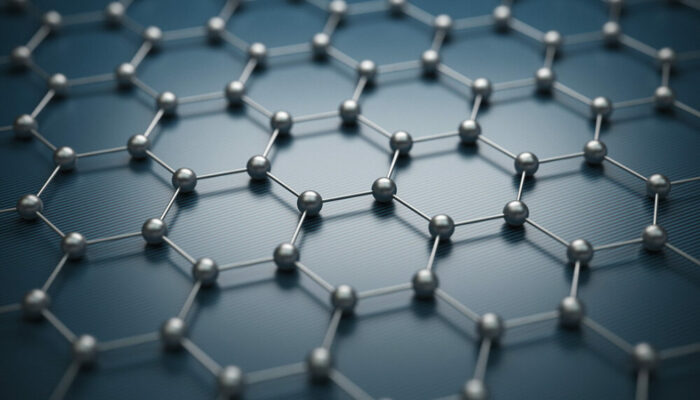
Graphene is a single layer of carbon atoms tightly packed into a two-dimensional honeycomb lattice. This unique atomic arrangement endows graphene with extraordinary characteristics that have captured the attention of scientists and industries worldwide. Its exceptional electrical, mechanical, and thermal properties distinguish it from conventional materials, making it a subject of intense research and potential technological breakthroughs.
- Atomic Structure:
A monolayer of carbon atoms arranged in a hexagonal pattern. - Electrical Conductivity:
Exhibits electrical mobility at room temperature far surpassing that of silicon. - Mechanical Strength:
Tensile strength approximately 200 times greater than steel. - Thermal Conductivity:
Superior heat conduction capabilities compared to many known materials.
Fundamental Properties and Their Implications
The remarkable attributes of graphene arise from its two-dimensional structure and strong carbon-carbon bonds. Its electrical conductivity makes it a promising candidate for next-generation electronic devices, potentially replacing silicon in certain applications. The material’s mechanical robustness suggests it could be used in environments demanding high durability, while its thermal conductivity opens avenues in heat management technologies.
Challenges in Production and Scalability
Despite the impressive laboratory results, scaling graphene production to industrial levels remains a significant hurdle. Methods such as chemical vapor deposition (CVD) and mechanical exfoliation have demonstrated the ability to produce high-quality graphene sheets, but these techniques face limitations in cost, uniformity, and volume. Overcoming these manufacturing challenges is critical for graphene’s transition from experimental material to widespread commercial use.
Applications Across Various Industries
Graphene’s versatility has sparked interest in multiple sectors, each exploring its potential to revolutionize existing technologies:
- Electronics:
Utilized for transparent conductive films, flexible touchscreens, and potentially as a semiconductor alternative due to its high conductivity and thinness. - Energy Storage:
Investigated for use in supercapacitors and batteries, aiming to create lighter, more efficient energy storage solutions. - Biomedical Field:
Graphene oxide is studied for drug delivery systems because of its compatibility with biological tissues.
From Laboratory to Market: The Commercialization Gap
While graphene’s theoretical applications are promising, the timeline for their practical implementation remains uncertain. The transition from research to market-ready products involves extensive testing, regulatory compliance, and iterative design improvements. This lag has led to skepticism about whether graphene will fulfill its transformative potential or remain largely experimental.
Environmental and Ethical Considerations
The production and use of graphene raise important environmental and ethical questions. Manufacturing processes often involve hazardous chemicals, posing risks to both workers and ecosystems. Additionally, the long-term effects of graphene’s integration into consumer products and the environment are not yet fully understood. As sustainability becomes a global priority, the lifecycle impact of graphene must be carefully evaluated to ensure responsible development.
Psychological and Socio-Economic Influences on Perception
Public and scientific enthusiasm for graphene is sometimes amplified by technological optimism, which can overshadow practical limitations and risks. This phenomenon, known as expectation bias, creates a disparity between current capabilities and future promises. A balanced perspective that values rigorous scientific validation over hype is essential to maintain credibility and guide realistic progress.
Alternative Materials in the Materials Science Landscape
Graphene is not the sole contender in advanced materials research. Other substances such as carbon nanotubes, transition metal dichalcogenides, and traditional metals and ceramics continue to evolve, offering competitive or complementary properties. The future of materials science may well depend on integrating multiple materials to achieve innovative solutions rather than relying on a single “miracle” material.
Conclusion: Balancing Optimism with Realism
Graphene undeniably possesses extraordinary properties that could reshape various technological fields. However, caution is necessary to avoid overestimating its immediate impact. The path from discovery to widespread application is complex, involving technical, regulatory, and ethical challenges. Evaluating graphene’s true potential requires ongoing critical assessment, tempered enthusiasm, and collaborative efforts across disciplines. Ultimately, time will determine whether graphene heralds a new era in material science or serves as a reminder of the gap between scientific promise and practical reality.
FAQ
What is graphene?
Graphene is a single layer of carbon atoms arranged in a two-dimensional honeycomb structure, known for its remarkable electrical, mechanical, and thermal properties.
Why is graphene considered revolutionary?
Because of its exceptional conductivity, strength, and thinness, graphene has potential applications across various fields including electronics, energy, and medicine.
Is graphene already widely used commercially?
No, despite promising research, large-scale commercial applications are limited due to production challenges and cost.
What are the environmental concerns related to graphene?
Production processes often involve toxic chemicals and potential health and environmental risks that require careful handling and sustainable practices.
Are there alternatives to graphene in materials science?
Yes, materials like carbon nanotubes and transition metal dichalcogenides are also being explored for similar applications.






Leave a Reply