How to learn atomic physics?

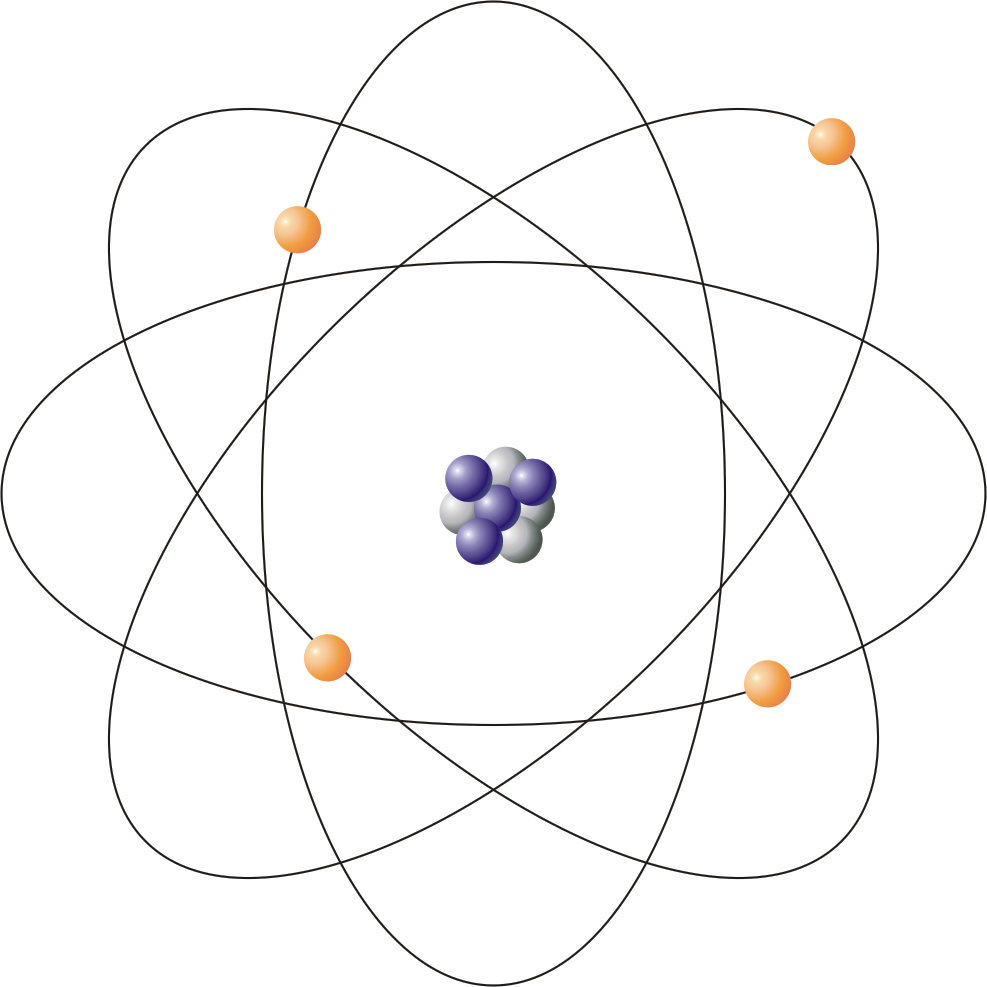
Definition of Atomic Physics Atomic physics is the branch of science that investigates the nature and behavior of atoms, the fundamental units of matter. It explores the structure of atoms, the interactions between their constituent particles, and the quantum mechanical principles that govern these phenomena. This field bridges the gap between classical physics and quantum […]

Read More →

What does the state of matter of an object depend on?

Understanding States of Matter The classification of matter into solid, liquid, gas, or plasma is more than a simple categorization; it reflects a complex interaction of fundamental physical laws. Determining the state of a substance involves examining several key factors such as temperature, pressure, and the forces acting between molecules. These elements collectively form a […]

Read More →

Is physics or chemistry more fundamental?

Definition and Scope of Physics and Chemistry Physics and chemistry are two pivotal branches of science that collectively deepen our comprehension of the natural universe. Each discipline has its distinct focus and methodologies, yet they are intricately connected in exploring matter and energy. Physics: This field investigates matter, energy, and the fundamental forces that govern […]


Read More →

Is there any method to compress or solidify light?

Understanding Light: A Fundamental Overview Light has long fascinated scientists and philosophers, serving as a cornerstone in the study of physics. Traditionally, it is understood as an electromagnetic wave traveling through the vacuum of space. However, the idea of compressing or even solidifying light challenges conventional perceptions and opens new avenues for scientific exploration. This […]

Read More →

Can light exist without a source of light?

Definition of Light Light is a fascinating and complex phenomenon that plays a crucial role in how we perceive the universe. Fundamentally, light is a form of electromagnetic radiation that is visible to the human eye, situated within a broader electromagnetic spectrum that also includes ultraviolet and infrared waves. It exhibits a dual nature, behaving […]

Read More →

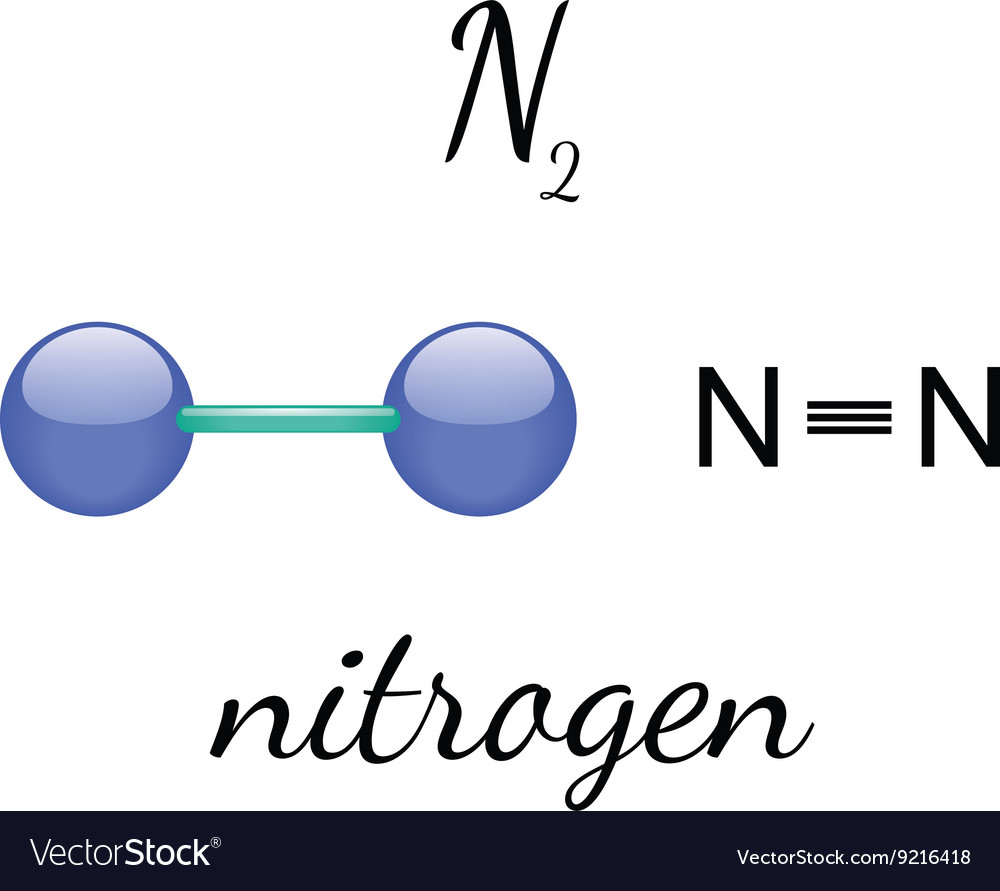
Is n2 an atom or molecule?

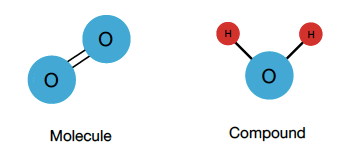
Definition of Atoms and Molecules In the field of chemistry, understanding the difference between atoms and molecules is fundamental. Atoms are the smallest units of matter, indivisible by chemical means, composed of protons, neutrons, and electrons arranged in a specific structure. Molecules, on the other hand, are formed when two or more atoms chemically bond […]

Read More →

What does optical pumping mean?

Definition of Optical Pumping Optical pumping is a sophisticated physical process involving the manipulation of electron or nuclear spin states within atoms or molecules by using polarized light. This technique bridges the gap between classical optics and quantum mechanics by exploiting the interaction between photons and atomic energy levels to selectively excite specific quantum states. […]

Read More →

If no atoms touch each other how does friction work?

Definition of Friction Friction is a fundamental force that resists the relative motion between two contacting surfaces. Despite the common assertion that atoms never physically touch, friction arises from complex interactions at the atomic and molecular levels. This force plays a crucial role in everyday phenomena, from walking to machinery operation, by opposing motion and […]

Read More →

Can you build an atomic clock at home?

Definition of Atomic Clocks An atomic clock is a highly precise timekeeping device that uses the natural oscillations of atoms as its fundamental frequency standard. Unlike traditional clocks that rely on mechanical or electronic oscillators, atomic clocks measure time based on the consistent vibrations of specific atoms, such as cesium or rubidium. These atomic vibrations […]

Read More →