Do atoms comprise only electrons protons and neutrons?

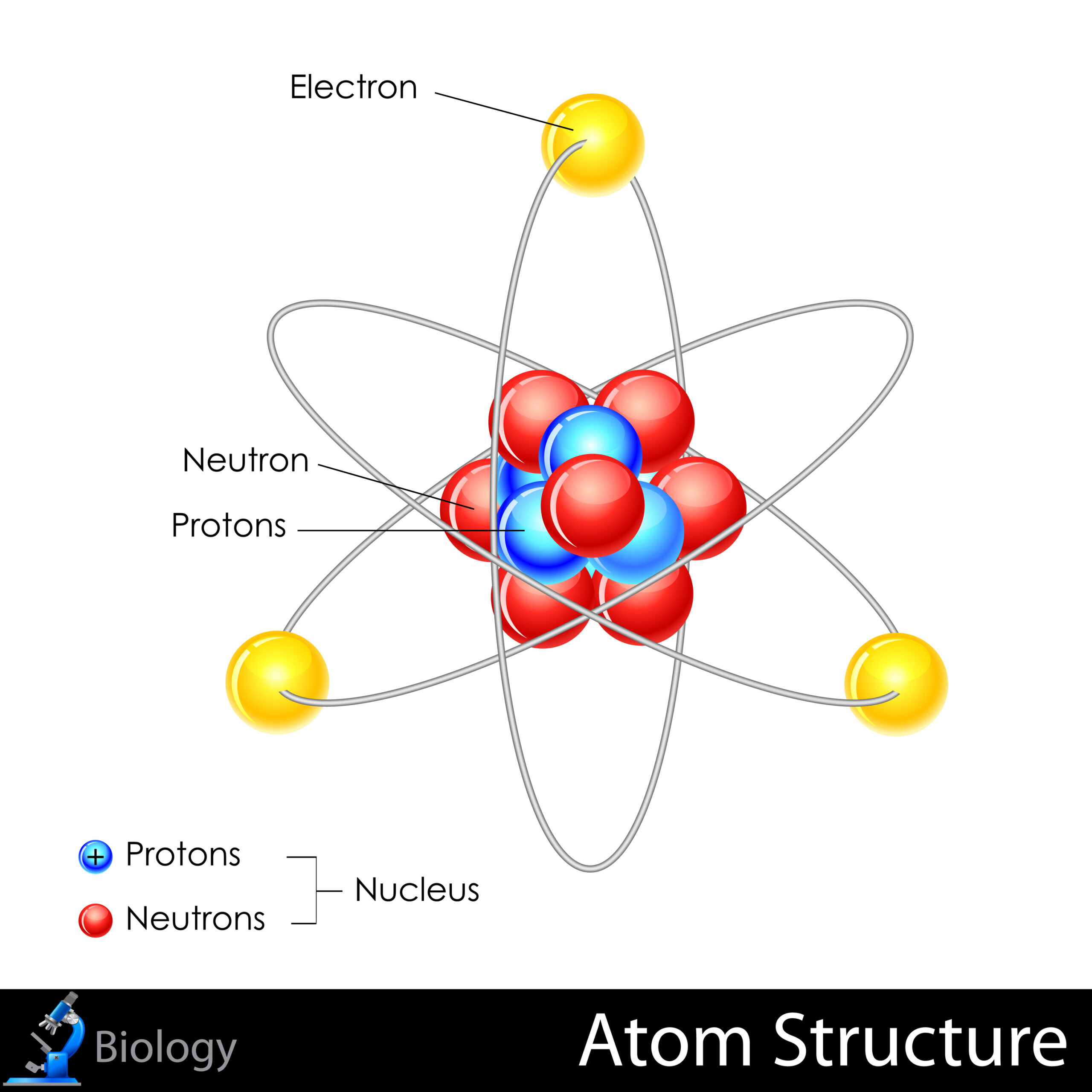
Definition of Atomic Structure Atoms are traditionally viewed as the fundamental units of matter, primarily composed of three subatomic particles: electrons, protons, and neutrons. These particles form the basis of classical atomic theory. However, a more detailed exploration reveals that atoms are far more complex, involving a variety of smaller constituents and interactions that define […]

Read More →

Just how small is an atom?

Definition of an Atom and Its Scale An atom represents the fundamental unit of matter, serving as the basic building block from which all substances are formed. Despite its critical role in the composition of the universe, the atom’s size is extraordinarily minute, making it a challenging concept to visualize. At its simplest, an atom […]

Read More →

How do molecular and atomic spectroscopy differ?

Definition of Spectroscopy Spectroscopy is a scientific technique that investigates the interaction between electromagnetic radiation and matter. By analyzing the light absorbed or emitted by substances, spectroscopy reveals information about the energy states of atoms or molecules. This method serves as a cornerstone in physical chemistry, enabling the study of the structural and electronic properties […]

Read More →

What is a hydrogen atom composed of?

Definition of the Hydrogen Atom The hydrogen atom is recognized as the simplest and most plentiful element in the cosmos, serving as a fundamental constituent of matter. It consists of a nucleus containing a single proton, around which a solitary electron moves. Despite its apparent simplicity, the hydrogen atom embodies complex quantum and subatomic phenomena […]

Read More →

Does light have molecules?

Definition of Light and Molecular Structure Light is a fundamental phenomenon that permeates the universe, raising intriguing questions about its composition and behavior. A common inquiry is whether light consists of molecules. To address this, it is essential to understand what molecules are and how light is classified in physics and chemistry. Molecules are defined […]

Read More →

What is a molecular bond?

Definition of Molecular Bonds Molecular bonds represent the fundamental forces that connect atoms, enabling the formation of molecules. These bonds are essential in chemistry and physics, as they explain how atoms combine to create the vast array of compounds found in nature. At their essence, molecular bonds are attractive interactions primarily involving valence electrons-the outermost […]

Read More →

Magnetic Chill: Attractive Step Toward Quantum Refrigeration

Definition of Magnetic Refrigeration Magnetic refrigeration is an advanced cooling technology that leverages the magnetocaloric effect-a property of certain materials to change temperature when subjected to a magnetic field. This innovative method offers an alternative to traditional refrigeration by using magnetic fields to induce temperature variations in specialized materials, enabling efficient heat exchange without relying […]

Read More →

How do atoms merge together to create life?

Definition of Atomic Fusion in the Context of Life The process by which atoms combine to form living organisms offers a fascinating insight into the interplay of chemistry, physics, and biology. At its essence, this phenomenon involves understanding atomic structures, the forces that govern their interactions, and how these interactions lead to the creation of […]

Read More →