
Short Answer
Definition of Atomic and Molecular Spaces
In the microscopic domain of chemistry, the concept of spaces between atoms within molecules is fundamental to understanding matter’s structure and behavior. These spaces refer to the regions that exist either within a molecule, between its constituent atoms, or between separate molecules themselves. Recognizing these voids is essential for grasping how atoms and molecules interact and form the basis of all material substances.
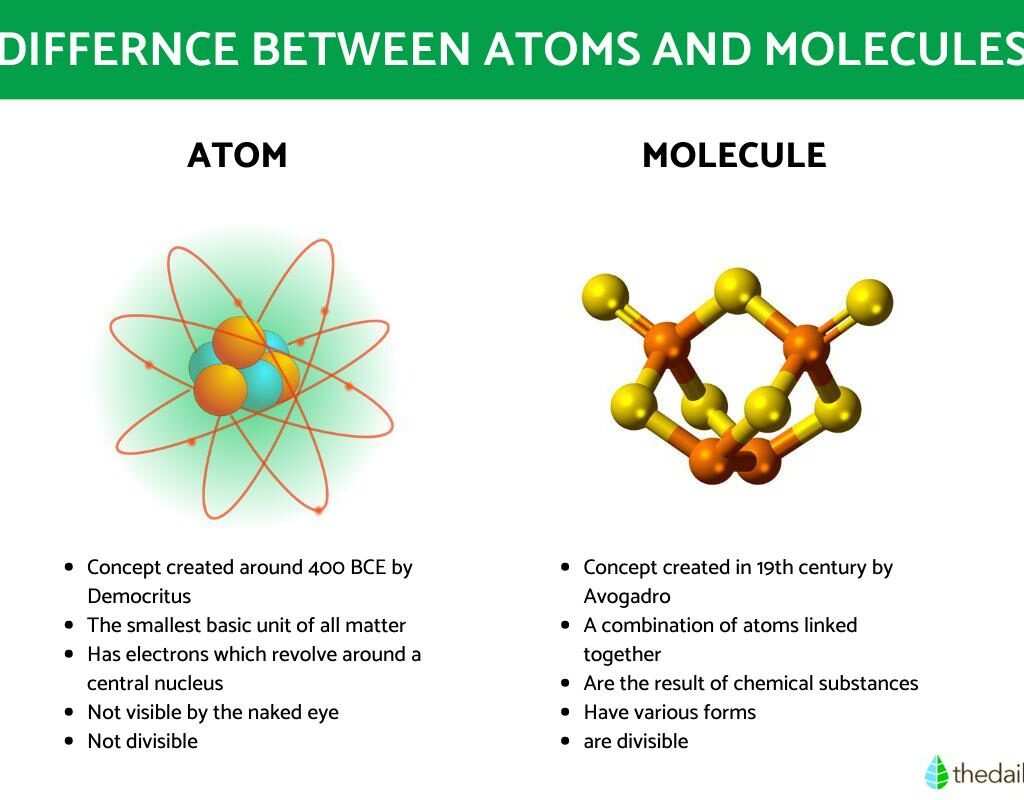
- Atoms:
The smallest units of matter, composed of protons, neutrons, and electrons. - Molecules:
Assemblies of two or more atoms bonded together, exhibiting unique properties distinct from individual atoms. - Intramolecular spaces:
The distances between atoms within a single molecule, shaped by covalent or ionic bonds. - Intermolecular spaces:
The gaps between separate molecules, influenced by various intermolecular forces.
Intramolecular vs. Intermolecular Spaces
The spaces within and between molecules differ significantly in their nature and impact. Intramolecular spaces are governed by strong chemical bonds that determine the molecule’s shape and electron distribution. These internal distances define molecular geometry, which is crucial for understanding chemical reactivity and physical properties.
Conversely, intermolecular spaces exist between distinct molecules and are typically larger. These gaps influence how molecules interact through forces such as hydrogen bonding, van der Waals interactions, and dipole-dipole attractions. These interactions affect macroscopic properties like boiling points, solubility, and phase behavior.
Role of Atomic Spaces in Material Properties
The arrangement and size of spaces between atoms and molecules directly affect the physical characteristics of materials. For example, in solids, atoms or molecules are tightly packed, minimizing interstitial spaces, which results in rigidity and high melting points. In liquids, molecules are less densely packed, allowing for fluidity while maintaining cohesion.
During phase changes, such as melting or vaporization, the distances between molecules shift dramatically. Gaseous states exhibit the largest intermolecular spaces, leading to significant changes in volume, pressure, and energy. These variations are critical in fields like materials science and thermodynamics, where controlling molecular spacing can tailor material properties.
Significance in Biochemistry and Molecular Biology
Interatomic and intermolecular spaces are vital in biological systems. The folding and function of proteins depend heavily on the spatial arrangement of amino acids and the interactions between them. Alterations in these spaces can lead to misfolding, which is associated with diseases such as Alzheimer’s and Parkinson’s.
Similarly, nucleic acids rely on precise molecular spacing for their structural integrity and function. Understanding these spatial relationships is crucial for drug design and therapeutic interventions, highlighting the importance of atomic spaces in life sciences.
Techniques for Visualizing Atomic Spaces
Modern scientific methods have revolutionized our ability to observe and measure the spaces between atoms and molecules. Techniques such as X-ray crystallography provide detailed three-dimensional structures of molecules, revealing interatomic distances with high accuracy. Nuclear Magnetic Resonance (NMR) spectroscopy offers insights into molecular dynamics and spatial arrangements in solution.
These tools enable researchers to explore the subtleties of chemical bonding and molecular interactions, advancing our knowledge of material and biological systems.
Challenges and Advances in Predictive Modeling
Despite significant progress, predicting molecular behavior based solely on atomic spacing remains a complex challenge. Scientists aim to develop theoretical models that can accurately forecast how changes in interatomic distances influence the emergence of new material properties and chemical reactivity.
This endeavor requires interdisciplinary collaboration, integrating principles from physics, chemistry, and computational science to create robust frameworks for molecular design and innovation.
Why Understanding Atomic Spaces Is Crucial
The voids between atoms and molecules are not empty but dynamic regions that profoundly influence the structure, function, and interactions of matter. From determining molecular geometry to affecting material properties and biological functions, these spaces are central to scientific inquiry.
Mastering the control and prediction of these spaces opens pathways to novel materials, improved pharmaceuticals, and deeper insights into the fundamental nature of matter, underscoring their importance across multiple scientific disciplines.
FAQ
What are the spaces between atoms in a molecule called?
They are termed intramolecular spaces within molecules and intermolecular spaces between molecules.
How do these spaces affect the properties of materials?
These spaces determine molecular interactions that influence boiling points, melting points, and solubility.
What is the difference between intramolecular and intermolecular spaces?
Intramolecular spaces are distances between atoms bonded within a molecule, while intermolecular spaces are between different molecules.
How are spaces between atoms measured?
Using techniques such as X-ray crystallography and NMR spectroscopy for precise molecular structure analysis.
Why are these spaces important in biology?
They influence protein folding and nucleic acid structure, which are critical for biological function.






Leave a Reply