Is everything made out of light since every atom is light?

Understanding the Concept: Everything Is Made of Light The idea that “everything is made out of light” invites a profound investigation into the fundamental composition of the universe. This concept bridges physics and philosophy, encouraging us to examine the intricate relationship between light, matter, and energy. By exploring this connection, we gain insight into the […]

Read More →

How many atoms does it take to create light?

Definition of Light Emission from Atoms Light is a fundamental phenomenon that originates from both natural celestial bodies and human-made sources. It is deeply embedded in the structure of the universe and is closely linked to the behavior of atoms. To comprehend how atoms produce light, it is essential to explore the principles of electromagnetic […]

Read More →

How are atomic and molecular orbitals related?

Definition of Atomic and Molecular Orbitals Atomic and molecular orbitals are fundamental concepts in quantum chemistry that describe the spatial distribution and behavior of electrons in atoms and molecules. Understanding these orbitals is essential for grasping how atoms bond and form molecules. Atomic Orbitals: These are mathematical functions derived from the Schrödinger equation that define […]

Read More →

What happens when a chemical bond is formed?

Definition of Chemical Bonding Chemical bonding refers to the process by which atoms connect to form molecules and compounds, creating the diverse matter that constitutes the physical world. This fundamental concept in chemistry explains how atoms interact and combine, resulting in substances with distinct properties and behaviors. Types of Chemical Bonds Chemical bonds are primarily […]

Read More →

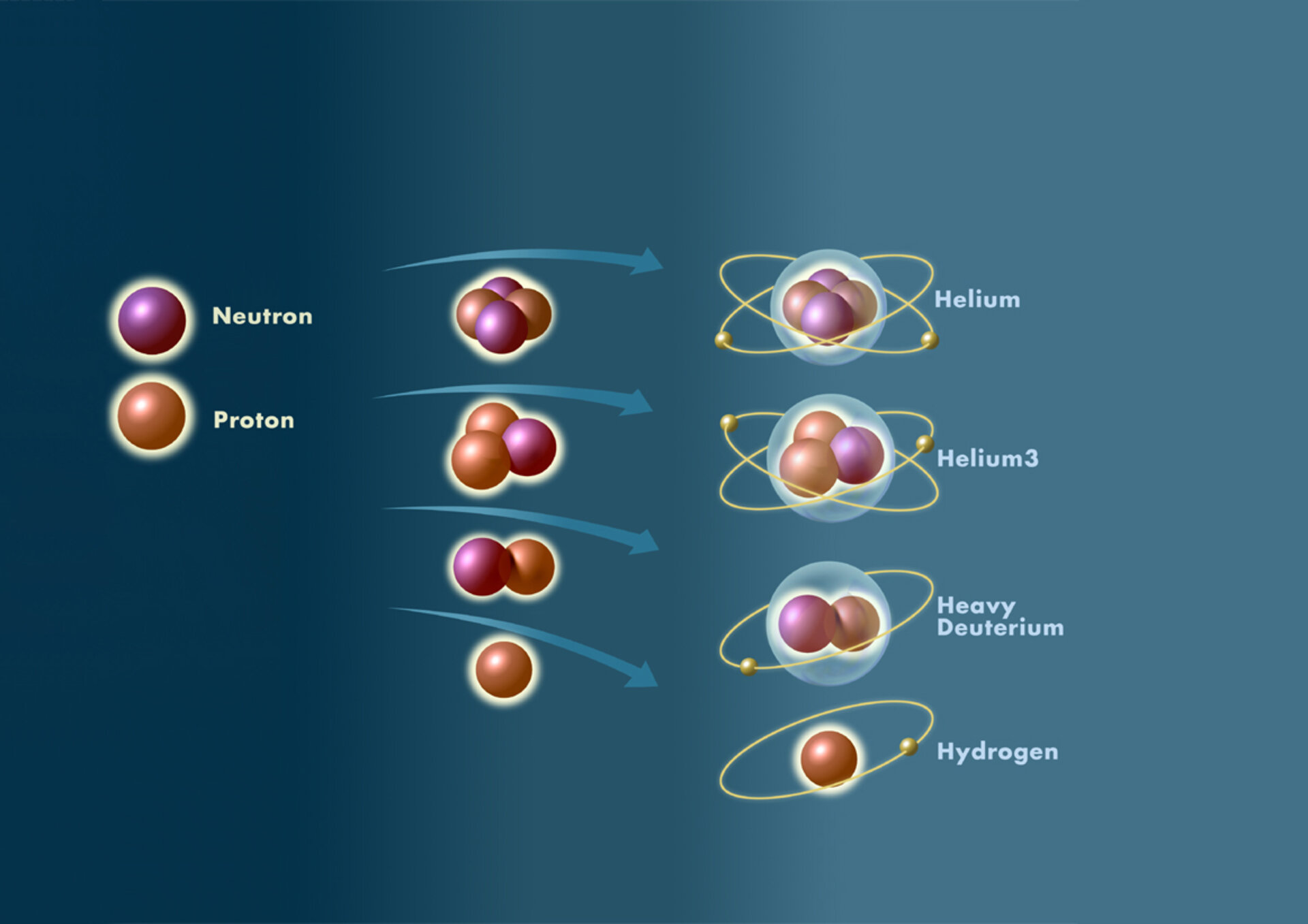
What can you say about the development of an atom?

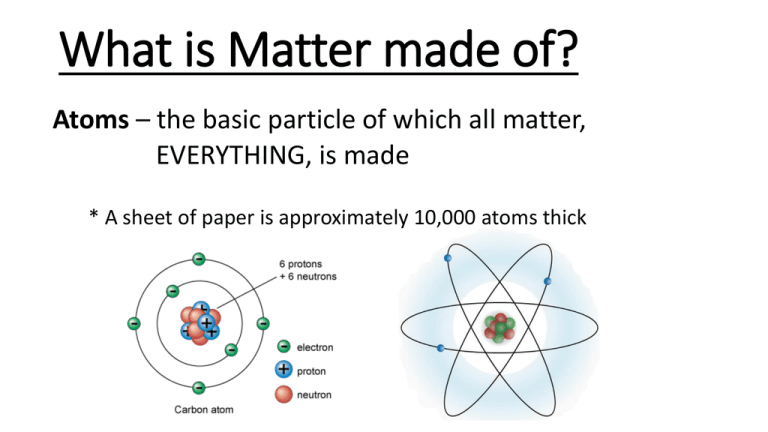
Definition of Atomic Development Atomic development refers to the progressive understanding and conceptualization of the atom, evolving through historical, theoretical, and experimental milestones. It encompasses the transformation of the atom from a philosophical idea of indivisible particles to a complex quantum mechanical entity, revealing the intricate subatomic structure that underpins matter. Historical Evolution of Atomic […]
Read More →

Is the quantum computation with NMR promising?

Definition of NMR Quantum Computation Nuclear Magnetic Resonance (NMR) quantum computation is a specialized approach within the broader field of quantum computing that utilizes the nuclear spins of atoms as quantum bits, or qubits. By exploiting the principles of magnetic resonance, NMR quantum computers manipulate these nuclear spins to perform quantum operations, offering a unique […]

Read More →

How did atoms turn into the first cells?

Definition The transition from atoms to living cells signifies a fundamental milestone in the history of life, representing a profound evolution from basic particles to complex biological systems. This process involves a series of intricate biochemical interactions, environmental factors, and self-organizing mechanisms that collectively gave rise to the earliest forms of life as we recognize […]

Read More →