Laser Traps: Holding Electrons Still with Light

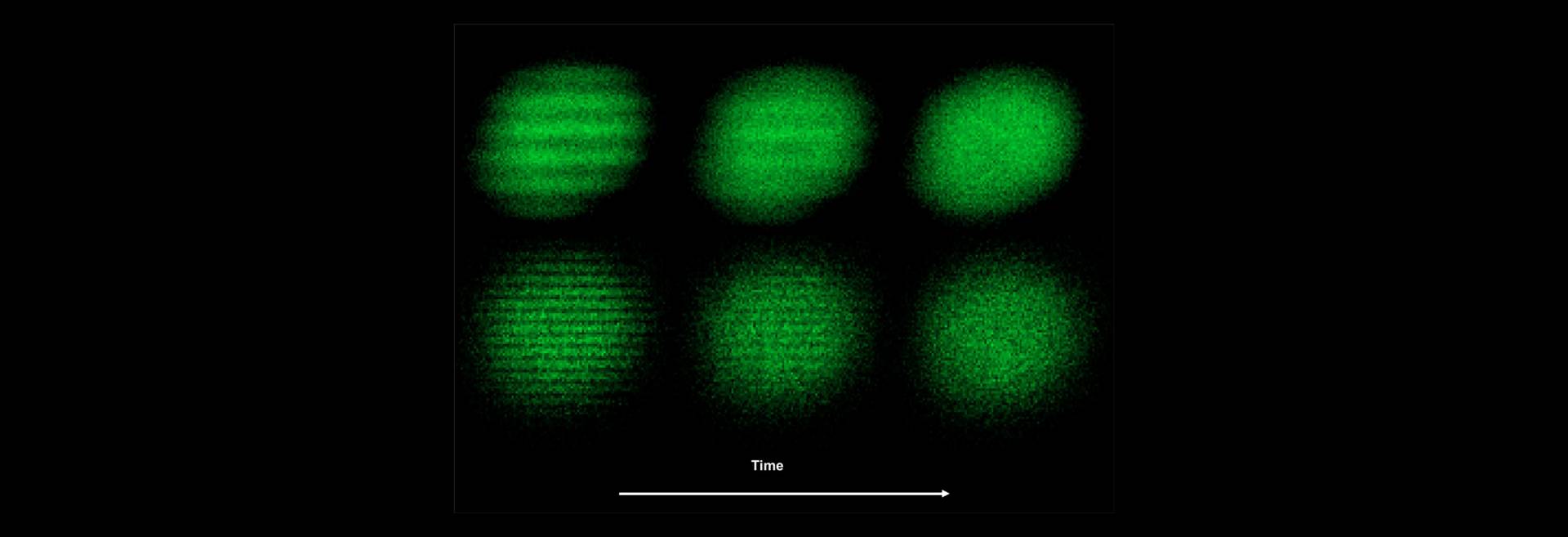
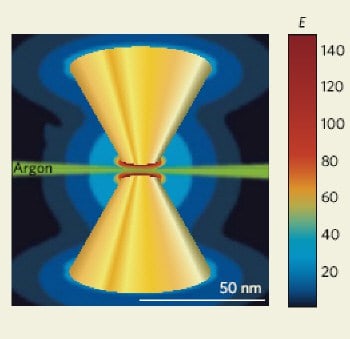
Understanding Laser Traps Laser traps represent an innovative technique for controlling atomic and subatomic particles, particularly electrons, by exploiting the unique properties of light. This method has significant implications for advancing our knowledge in quantum mechanics, condensed matter physics, and the emerging field of quantum computing. A compelling question arises from this technology: is it […]

Read More →

Cancer’s Hidden Geometry: Fractal Patterns on Cells

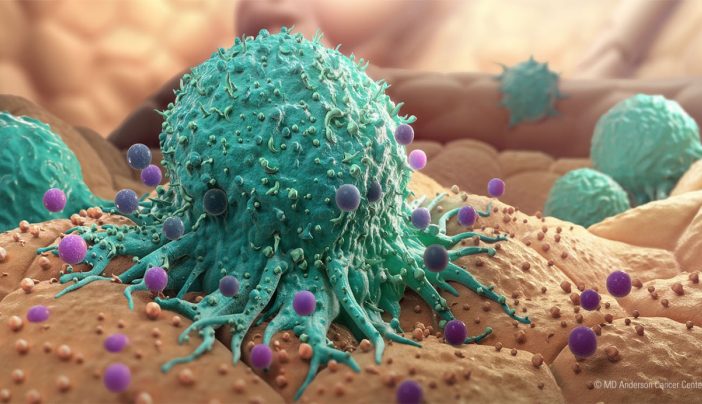
Definition of Fractal Geometry in Cancer Fractal geometry refers to complex shapes that display self-similarity across various scales, meaning their patterns repeat regardless of magnification. In cancer research, fractal geometry describes the irregular yet patterned structures found in tumors, including their shape, cellular organization, and vascular networks. This mathematical framework helps decode the seemingly chaotic […]

Read More →

Atomic Attraction: Feeling the Force on a Single Atom

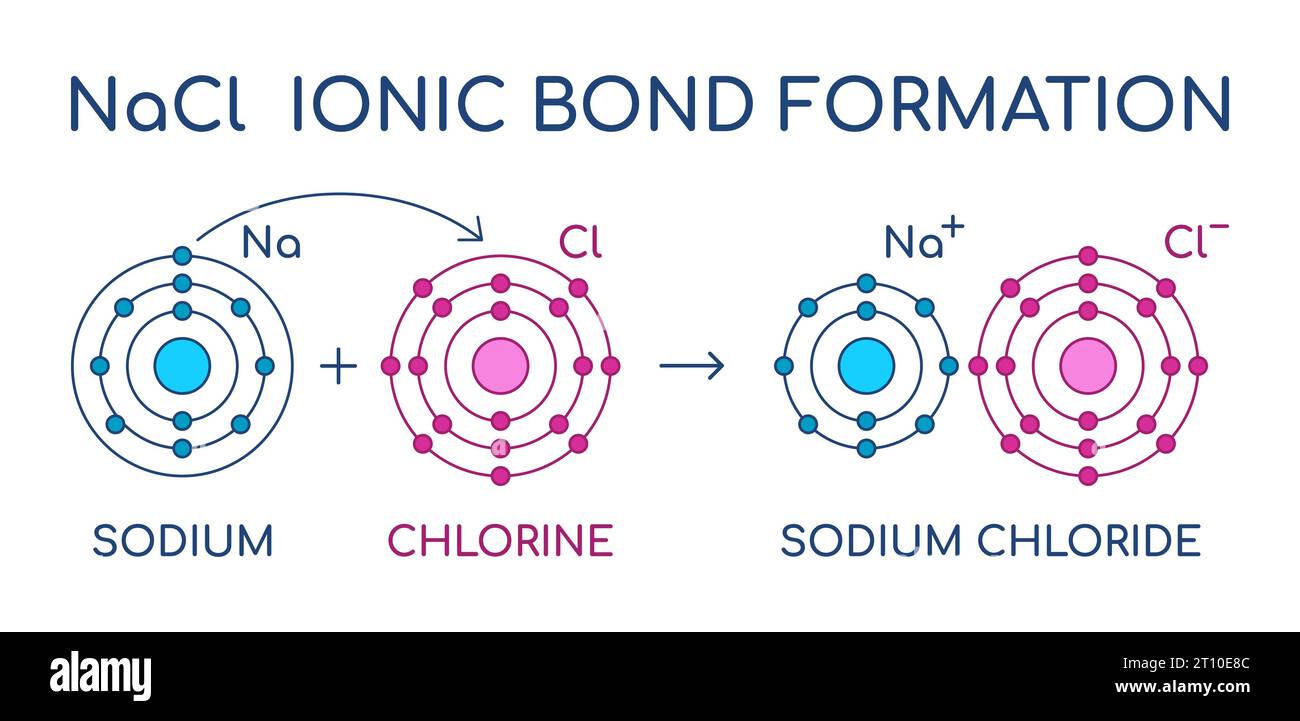
Definition of Atomic Attraction Atomic attraction refers to the fundamental forces that govern the interactions between atoms and molecules, driving them toward stable configurations. These forces are responsible for the cohesion of matter at the microscopic scale, influencing the structure and properties of all substances. At its core, atomic attraction encompasses the electromagnetic and nuclear […]

Read More →

Physics for All: Building a Female-Friendly Lab Culture

Understanding Female-Friendly Lab Culture in Physics Creating an inclusive environment within physics laboratories is essential for fostering the participation and success of female physicists. This concept goes beyond scientific principles and applications, focusing on transforming the culture and environment where research occurs. A female-friendly lab culture is one that actively supports, encourages, and nurtures women’s […]

Read More →

Higgs on the Radar: Fermilab Data Stirs Excitement

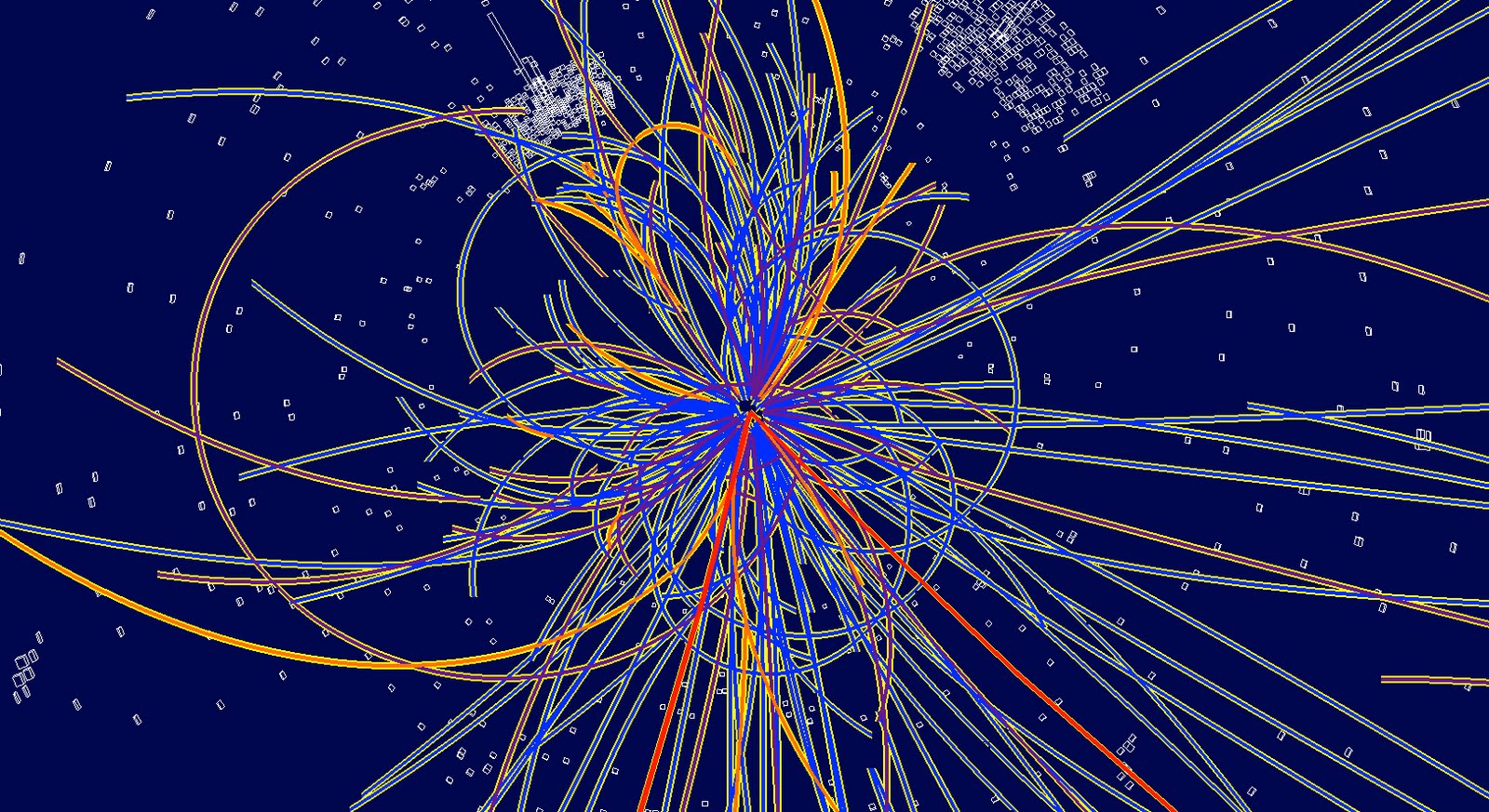
Understanding the Higgs Boson The Higgs boson represents a cornerstone in modern physics, particularly within particle physics and cosmology. Discovered in 2012 at the Large Hadron Collider (LHC), this elementary particle is integral to the mechanism that imparts mass to other fundamental particles via the Higgs field. Far from being just another particle, the Higgs […]

Read More →

Symmetry Broken: Matter-Antimatter Transitions Explored

Understanding Matter and Antimatter The universe is composed of two fundamental entities: matter and its elusive counterpart, antimatter. Matter forms the tangible substance of everything we observe, from planets to living beings, while antimatter remains largely theoretical, detected primarily in high-energy physics experiments. The stark imbalance between these two forms has puzzled scientists, prompting deep […]

Read More →

Eyjafjallajökull’s Electrified Plume: Lightning in the Ashes

Definition of Electrified Volcanic Plumes Electrified volcanic plumes refer to the charged clouds of ash, gas, and vapor emitted during explosive volcanic eruptions that generate electrical phenomena such as lightning. These plumes arise when volcanic materials interact dynamically, producing static electricity and resulting in visible electrical discharges within the ash cloud. Volcanic Plume: A mixture […]

Read More →

The Physics of Fruit Flies: Swimming Through Air

Definition of Fruit Fly Aerial Locomotion The phenomenon often described as fruit flies “swimming” through the air refers to their remarkable ability to navigate and maneuver with exceptional agility during flight. This metaphorical expression highlights their dynamic aerial movements, which resemble the fluid, multidirectional motions of swimming in water. The common fruit fly, Drosophila melanogaster, […]

Read More →