It’s Official: New Exoplanet Is Rocky Not Gassy

Definition of Rocky Exoplanets Rocky exoplanets are celestial bodies orbiting stars outside our solar system that possess a solid, terrestrial surface primarily composed of silicate rocks and metals. Unlike gaseous planets, which are dominated by thick atmospheres of hydrogen and helium, rocky exoplanets resemble Earth and other terrestrial planets in our solar system, featuring a […]


Read More →

Bringing Exoplanets into Sharper Focus: The Hunt for Earth 2.0

Understanding Earth-Like Exoplanets Earth-like exoplanets are celestial bodies that share key characteristics with our home planet, primarily being rocky in composition and situated within the habitable zone of their parent star. This habitable zone, often referred to as the “Goldilocks zone,” is the orbital region where temperatures could allow liquid water to exist on the […]

Read More →

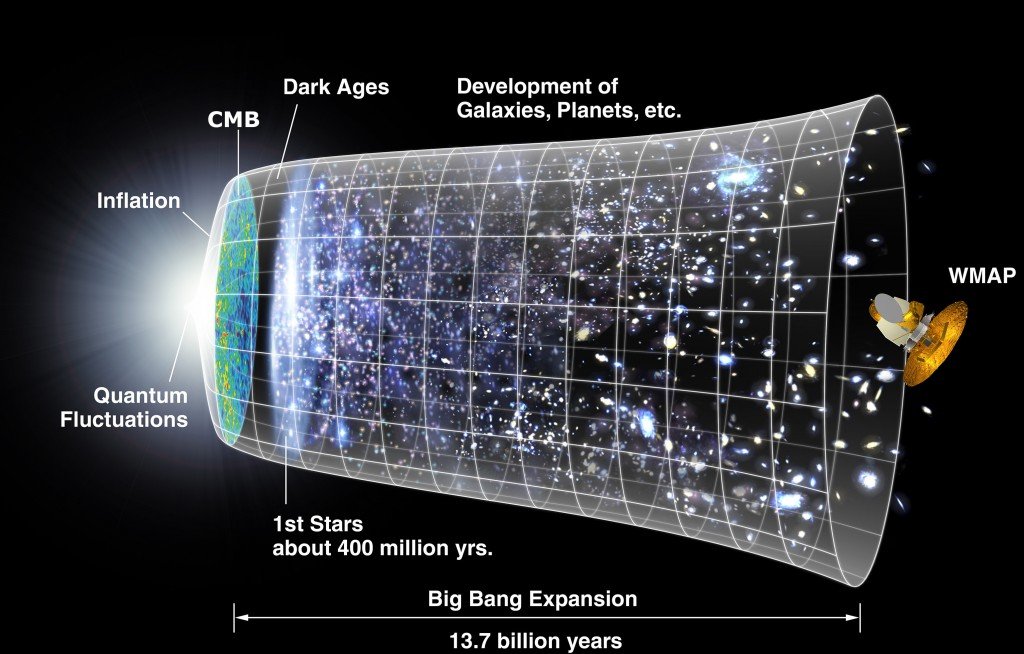
Echoes of the Past: Ancient Radiation Illuminates Early Cosmos

Definition of Ancient Cosmic Radiation Ancient cosmic radiation refers to the residual electromagnetic signals that permeate the universe, originating from its earliest epochs. These radiation remnants serve as vital clues, offering insights into the universe’s formation and evolution. Among these, the Cosmic Microwave Background Radiation (CMBR) stands out as the most significant, representing the afterglow […]

Read More →

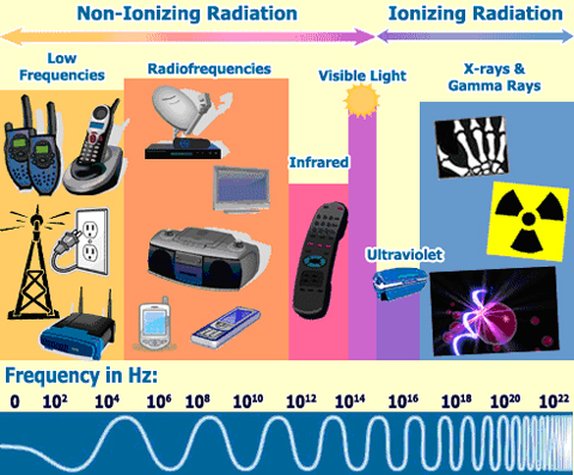
What are some natural sources of gamma rays?

Definition of Gamma Rays and Their Natural Origins Gamma rays are a type of electromagnetic radiation characterized by wavelengths shorter than those of X-rays, placing them among the most energetic forms of light. These rays are produced by some of the universe’s most powerful and mysterious events. While artificial gamma radiation sources are widely recognized […]

Read More →

11 Key Questions About the Universe: What We Still Don’t Know

Understanding the Universe: An Overview The universe, an immense and intricate expanse filled with countless mysteries, continues to captivate the curiosity of scientists and thinkers alike. Despite significant breakthroughs in astrophysics and cosmology over the last hundred years, many fundamental questions about the cosmos remain unanswered. This article explores eleven essential inquiries that highlight the […]

Read More →

Binary Star Breaks Speed Record: Stellar Sprinting Unleashed

Definition of Binary Star Systems Binary star systems consist of two stars gravitationally bound to each other, orbiting a shared center of mass. These stellar pairs are fundamental components of the cosmos, illustrating complex gravitational interactions and dynamic orbital mechanics. Unlike solitary stars, binary systems engage in a continuous gravitational dance, influencing each other’s evolution […]

Read More →

AMS Detects a Cosmic Ray Riddle: Mystery in the Particles

Definition of Cosmic Rays and the AMS-02 Experiment Cosmic rays are high-energy particles, predominantly protons, electrons, and heavier atomic nuclei, that travel through space at nearly the speed of light. These particles originate from various astrophysical sources and carry valuable information about the universe’s most energetic phenomena. The Advanced Alpha Magnetic Spectrometer (AMS-02) is a […]

Read More →

What are ultra-violet rays and cosmic rays?

Definition of Ultraviolet and Cosmic Rays Ultraviolet (UV) rays and cosmic rays are two distinct forms of radiation that play significant roles in both astrophysics and biological sciences. UV rays are a segment of the electromagnetic spectrum with wavelengths shorter than visible light, while cosmic rays are high-energy particles originating from outer space. Both types […]

Read More →