
Short Answer
Definition of Planetary Magnetic Fields
Planetary magnetic fields are invisible regions of magnetic influence generated by the internal dynamics of celestial bodies. These fields arise from the movement of electrically conductive materials within a planet’s interior, creating a magnetic environment that extends far beyond the planet’s surface. Magnetic fields play a crucial role in shaping planetary atmospheres, protecting surfaces from harmful cosmic and solar radiation, and influencing the behavior of charged particles in space.
- Origin:
Generated by the dynamo effect, which involves the motion of conductive fluids inside a planet. - Function:
Acts as a shield against solar wind and cosmic rays, preserving atmospheric integrity and surface conditions. - Variation:
Strength and structure vary widely among planets, reflecting differences in composition, rotation, and internal processes.
Jupiter’s Magnetic Field: An Overview
Jupiter, the largest planet in our solar system, possesses the most powerful magnetic field among all planets. Its magnetic strength is approximately 20,000 times greater than that of Earth, making it a dominant force in the solar system’s magnetic landscape. This immense field extends far beyond Jupiter’s physical boundaries, influencing not only the planet itself but also its extensive system of moons and the surrounding space environment.
Mechanism Behind Jupiter’s Magnetic Field
The source of Jupiter’s extraordinary magnetism lies in the behavior of metallic hydrogen deep within its interior. Under extreme pressure and temperature conditions, hydrogen transitions into a metallic state, becoming an excellent electrical conductor. The rapid rotation of Jupiter, combined with the convective motion of this metallic hydrogen, generates a powerful dynamo effect that sustains the planet’s magnetic field.
Structure and Extent of Jupiter’s Magnetosphere
Jupiter’s magnetosphere-the region dominated by its magnetic field-envelops an area more than three times the size of the Sun. This vast magnetic bubble interacts dynamically with the solar wind, creating complex phenomena such as intense auroras near the planet’s poles and radiation belts that trap charged particles. The magnetosphere also significantly affects the atmospheres and geological activity of Jupiter’s major moons, including Io, Europa, Ganymede, and Callisto.
Comparative Analysis: Magnetic Fields of Gas Giants and Terrestrial Planets
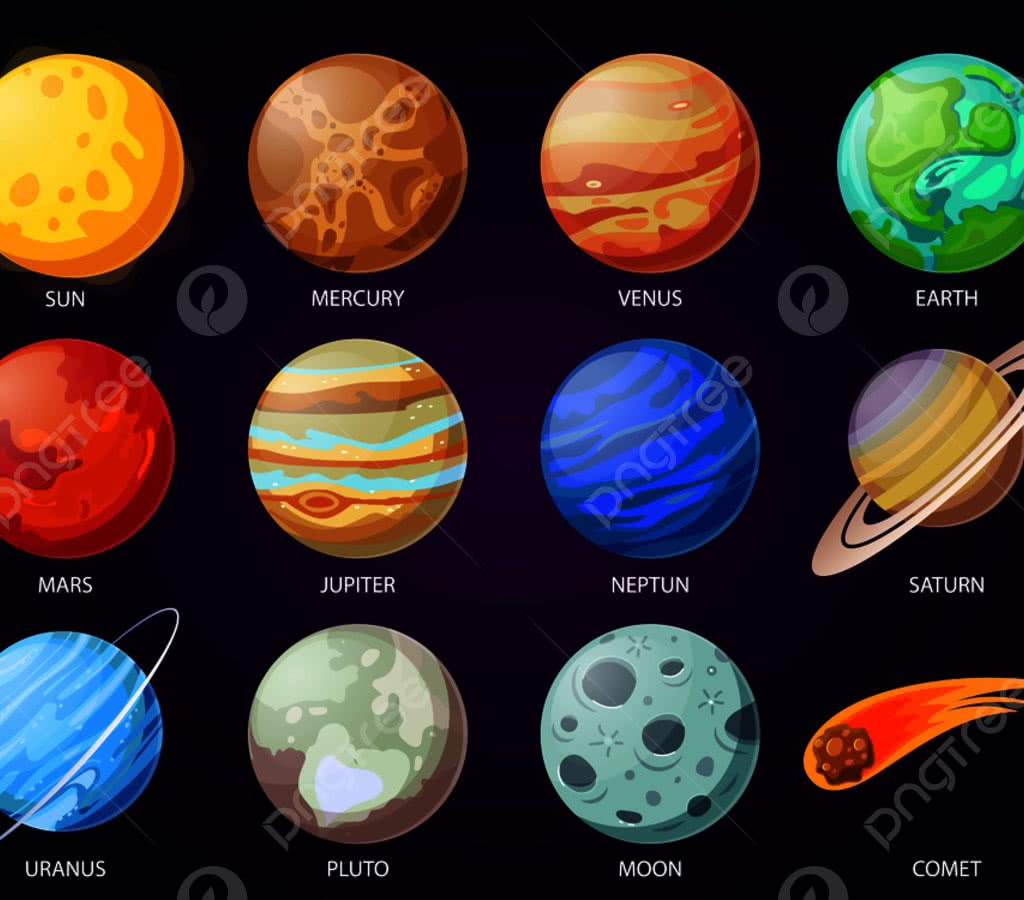
Planetary magnetic fields differ markedly between terrestrial planets and gas giants due to their distinct internal compositions and structures. Earth’s magnetic field, generated by the motion of molten iron in its core, provides a relatively stable and symmetric shield. In contrast, gas giants like Saturn, Uranus, and Neptune exhibit more complex and asymmetrical magnetic fields:
- Saturn:
Features a magnetic field tilted relative to its rotation axis. - Uranus and Neptune:
Possess magnetic fields that are both tilted and offset, likely due to their unique internal layers dominated by ices and less conventional dynamo processes.
Impact of Jupiter’s Magnetic Field on Its Moons
The magnetic environment created by Jupiter profoundly influences its satellites. For example, Io experiences extreme radiation levels due to its proximity to Jupiter’s magnetosphere and its intense volcanic activity. Europa, with its subsurface ocean beneath an icy crust, is shielded to some extent from radiation, making it a prime candidate in the search for extraterrestrial life. These interactions highlight how Jupiter’s magnetic field shapes not only the planet but also the habitability potential of its moons.
Significance of Planetary Magnetism in Habitability and Exploration
Strong magnetic fields are essential for protecting planetary atmospheres from erosion by solar and cosmic radiation, thereby maintaining conditions favorable for life. Understanding which planets and moons possess robust magnetospheres aids in identifying environments that could support biological processes. This knowledge is vital for future space exploration and the search for life beyond Earth, especially when considering the complex environments of outer solar system bodies.
Evolutionary Insights from Magnetic Field Studies
Examining the history and persistence of planetary magnetic fields offers valuable clues about a planet’s geological and thermal evolution. Jupiter’s sustained dynamo action suggests ongoing internal heat transfer and thermal activity, which may influence its atmospheric dynamics and longevity as a geologically active world. These insights contribute to broader understanding of how gas giants and similar exoplanets evolve over time.
Relevance to Exoplanetary Science and Astrobiology
As astronomers discover planets beyond our solar system, assessing their magnetic properties becomes increasingly important. Magnetic fields can indicate a planet’s ability to protect its atmosphere and surface, factors critical to habitability. Identifying exoplanets with strong magnetospheres within habitable zones could guide the search for life elsewhere in the universe.
Conclusion: Jupiter’s Magnetic Majesty
Jupiter stands as a monumental example of planetary magnetism’s significance. Its immense magnetic field not only serves as a protective barrier but also actively shapes the environment of its moons and contributes to our understanding of planetary formation, geology, and potential habitability. The study of Jupiter’s magnetic field invites deeper exploration into the cosmic forces that govern planetary systems and underscores the interconnectedness of celestial phenomena within our solar system and beyond.
FAQ
Which planet has the strongest magnetic field?
Jupiter has the strongest magnetic field among the planets in our solar system, approximately 20,000 times stronger than Earth's.
Why is Jupiter's magnetic field so strong?
Jupiter's magnetic field is strong due to the motion of metallic hydrogen within its interior, under extreme pressures and temperatures, generating a powerful dynamo effect.
How does Jupiter's magnetic field affect its moons?
Jupiter's magnetic field interacts with its moons, causing phenomena such as intense radiation on Io and protecting subsurface oceans on Europa, influencing their atmospheres and potential habitability.
Why is a planet's magnetic field important for habitability?
A strong magnetic field protects a planet's atmosphere from solar and cosmic radiation, which is crucial for sustaining biological processes and potentially supporting life.
Do other gas giants have strong magnetic fields?
Yes, other gas giants like Saturn, Uranus, and Neptune have magnetic fields, but they are less symmetric and have unique tilts and offsets due to their distinct internal structures.


Leave a Reply