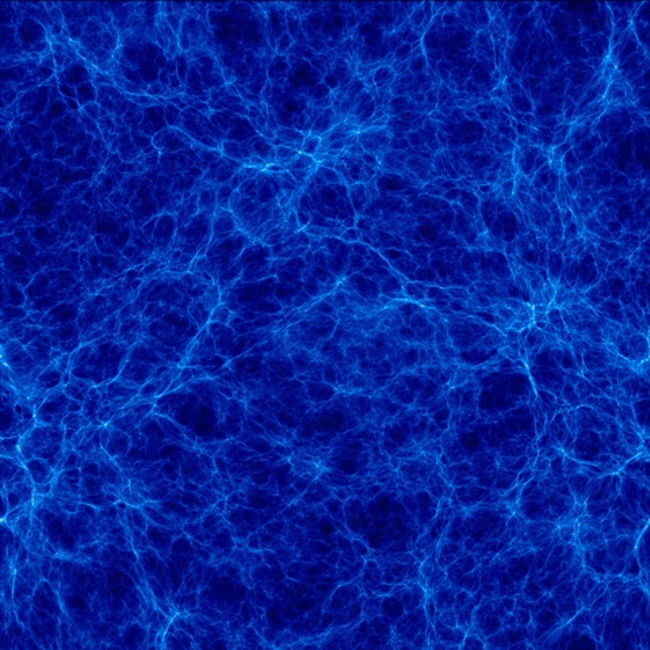
What Happens to Gravity Inside a Black Hole?

Definition of Gravity Inside a Black Hole Gravity within a black hole represents one of the most enigmatic and complex phenomena in astrophysics. A black hole forms when a massive star undergoes gravitational collapse, compressing its mass into an extremely dense singularity-a point where classical physics predicts infinite density and gravitational force. Encircling this singularity […]

Read More →

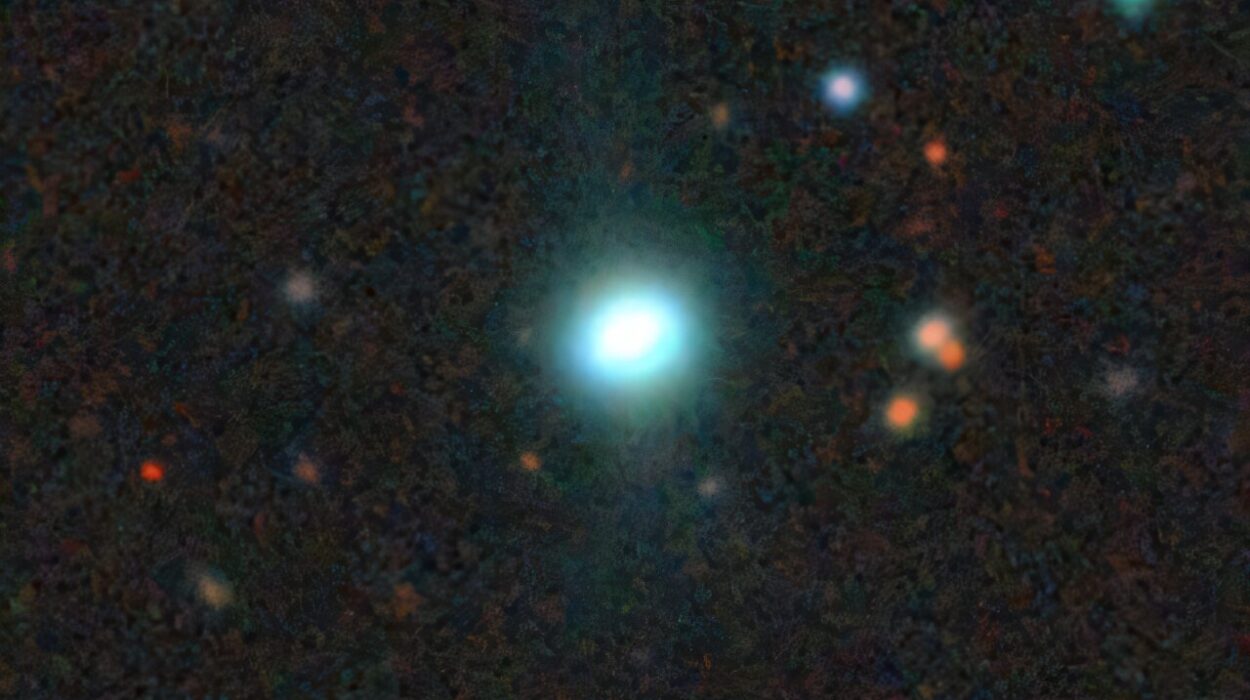
The “Impossible Particle” That Hit Earth—Was It Dark Matter?

Definition of the “Impossible Particle” The “impossible particle” refers to a recently detected subatomic particle exhibiting properties that defy established physical laws. Unlike typical cosmic particles such as cosmic rays or neutrinos, this particle’s behavior challenges current understanding of particle physics and cosmology. Its anomalous characteristics have sparked intense scientific interest, as it may represent […]

Read More →

This Telescope Data Could Change Everything We Know

Definition The current era in astronomy is marked by an unprecedented surge in data acquisition from advanced telescopic instruments, heralding a transformative phase in our comprehension of the universe. This vast influx of information is not merely an increase in quantity but represents a fundamental shift in how cosmic phenomena are observed and understood. Data […]

Read More →

Are We Finally Close to Detecting Dark Matter?

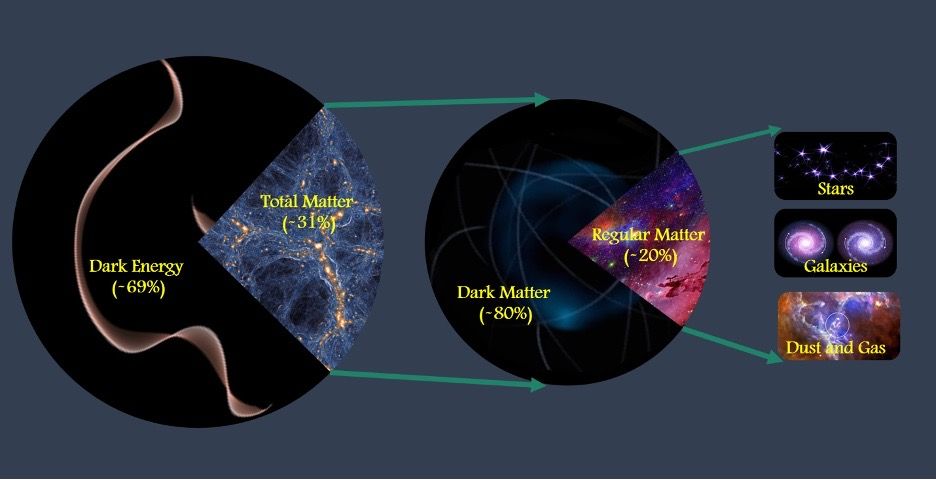
Definition of Dark Matter Dark matter is a mysterious form of matter that constitutes about 27% of the total mass-energy content of the universe. Unlike ordinary matter, it does not emit, absorb, or reflect light, making it invisible to electromagnetic observations. Its existence is inferred primarily through its gravitational effects on visible matter, radiation, and […]

Read More →

The Top Dark Matter Candidates Scientists Are Hunting

Understanding Dark Matter Dark matter is a mysterious and invisible component of the cosmos, making up about 27% of the universe’s total mass-energy content. Unlike ordinary matter, it does not emit, absorb, or reflect light, making it undetectable by traditional telescopes. Despite its invisibility, dark matter exerts a powerful gravitational influence, governing the motion of […]

Read More →

How Scientists Measured 68% Dark Energy

Definition of Dark Energy Dark energy is a mysterious and invisible force that permeates the universe, driving its accelerated expansion. It constitutes roughly 68% of the total energy content of the cosmos, making it the dominant component of the universe’s composition. Despite its vast presence, dark energy remains elusive, challenging scientists to uncover its true […]

Read More →

Should CERN Be Feared or Celebrated?

Definition of CERN The European Organization for Nuclear Research, commonly known as CERN, is a premier scientific research institution located near Geneva, Switzerland. It is dedicated to exploring the fundamental components of matter and the forces governing the universe by conducting experiments at the smallest scales imaginable. CERN operates some of the most advanced particle […]

Read More →

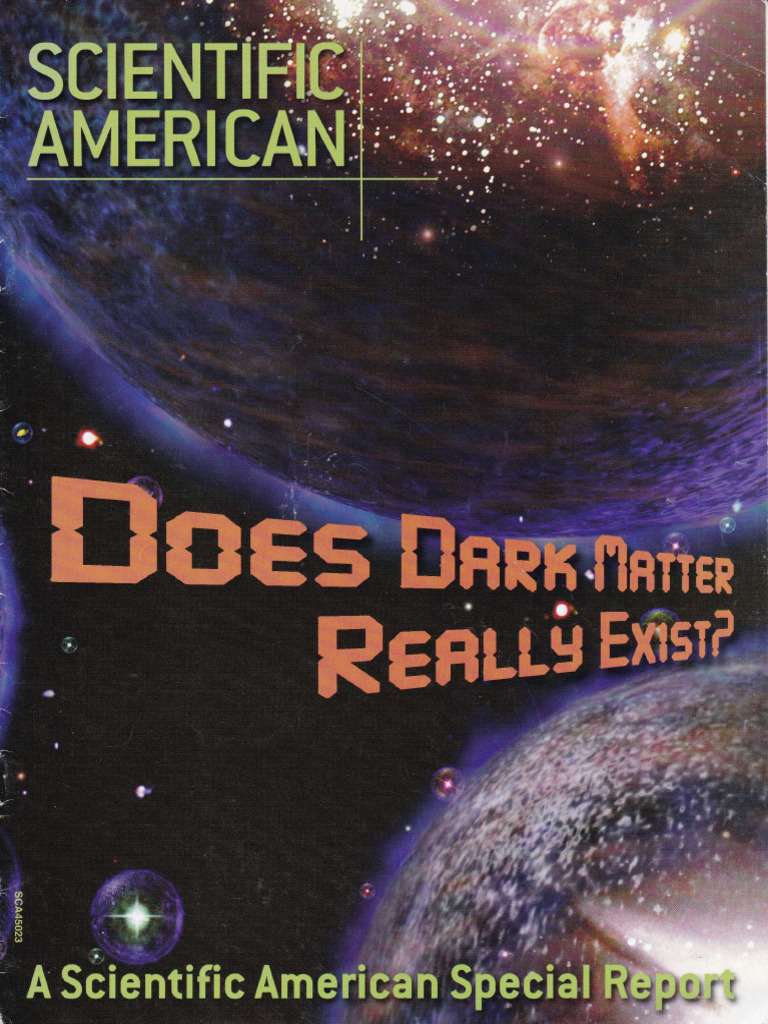
Is Dark Matter Real or Just a Scientific Guess?

Definition of Dark Matter Dark matter refers to a mysterious form of matter that does not emit, absorb, or reflect light, making it invisible to current astronomical instruments. Despite its invisibility, it is believed to constitute a significant portion of the universe’s total mass and energy, influencing the structure and behavior of cosmic bodies. Invisible […]

Read More →

What If Dark Energy Keeps Accelerating Forever?

Understanding Dark Energy and Cosmic Expansion The universe can be envisioned as an immense, ever-expanding cosmic fabric, extending far beyond human perception. Central to this grand structure is dark energy, an elusive and omnipresent force that drives the universe’s accelerated expansion. This mysterious energy acts as an unseen agent, continuously pushing space to stretch faster […]

Read More →