

Short Answer
Understanding Quantum Computing and Its Impact on Cryptography
Quantum computing represents a revolutionary leap in computational technology, poised to transform not only processing speeds but also the foundational principles of digital security. Unlike classical computers that operate on binary bits, quantum computers utilize quantum bits or qubits, which can exist in multiple states simultaneously due to the principle of superposition. This unique capability allows quantum machines to handle complex calculations at speeds unattainable by traditional systems, thereby challenging the security frameworks that have safeguarded digital communications for decades.
Fundamental Concepts of Quantum Computing
Superposition
Superposition is a quantum phenomenon where particles, such as qubits, can occupy multiple states at once. This enables quantum computers to process a vast array of possibilities concurrently, vastly increasing computational efficiency compared to classical bits restricted to a single state of 0 or 1.
Quantum Entanglement
Entanglement is another cornerstone of quantum mechanics, describing a condition where particles become interconnected such that the state of one instantly influences the state of another, regardless of the distance separating them. This property is fundamental to emerging quantum communication methods like Quantum Key Distribution (QKD).
Quantum Computing’s Threat to Traditional Encryption
Classical encryption techniques, particularly those based on the RSA algorithm, rely heavily on the computational difficulty of factoring large numbers. Quantum computers, however, can leverage Shor’s algorithm to factor these numbers efficiently, undermining the security assumptions that protect sensitive data across the internet. This capability threatens to render many existing cryptographic protocols obsolete, exposing financial institutions, governments, and private entities to unprecedented risks of data breaches.
Historical Context: Lessons from Cryptographic Evolution
The current quantum challenge echoes historical shifts in cryptography, such as the breaking of the Enigma code during World War II. What was once deemed an unbreakable cipher was eventually compromised through advances in decryption techniques. Similarly, the rise of quantum computing necessitates a reevaluation and overhaul of cryptographic defenses to withstand this new era of computational power.
Quantum Algorithms and Their Cryptographic Implications
Shor’s algorithm is a quantum algorithm specifically designed to factor large integers efficiently, a task that classical computers struggle to perform within a reasonable timeframe. This breakthrough directly threatens public key cryptography systems, which depend on the difficulty of such factorization problems for security. The widespread adoption of quantum computing could therefore dismantle the cryptographic safeguards currently in place.
Quantum Key Distribution: A New Paradigm in Secure Communication
Quantum Key Distribution (QKD) exploits the principles of quantum entanglement to enable secure exchange of encryption keys. Any attempt to intercept or eavesdrop on the quantum keys inevitably disturbs their quantum state, alerting the communicating parties to the breach. This method offers a level of security unattainable by classical means, potentially revolutionizing secure communications.
Challenges in Developing Quantum-Resistant Cryptography
Transitioning to cryptographic systems resilient against quantum attacks involves significant hurdles. Post-quantum cryptography requires the design of algorithms that can withstand quantum computational capabilities while remaining efficient and practical for widespread use. These systems must undergo extensive mathematical scrutiny and peer review to ensure their robustness and reliability.
Ethical and Geopolitical Considerations of Quantum Technology
The advent of quantum computing raises profound ethical questions, particularly regarding equitable access and global security. If quantum capabilities remain concentrated within a few state actors or powerful organizations, it could lead to asymmetric cyber warfare and destabilize the international digital landscape. Ensuring fair distribution and responsible use of quantum technology is critical to preventing new forms of digital inequality and conflict.
Integrating Quantum-Resistant Measures into Cybersecurity
Cybersecurity professionals are increasingly adopting multilayered defense strategies that combine classical encryption with quantum-resistant algorithms. This hybrid approach aims to build resilient security infrastructures capable of withstanding both current and future threats, much like historical fortifications evolved to counter new siege technologies.
Future Prospects and the Dual Nature of Quantum Technology
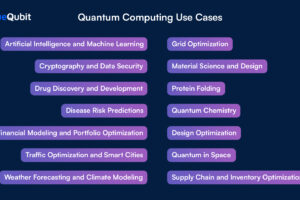
While quantum computing poses significant challenges to existing security paradigms, it also opens doors to extraordinary advancements in fields such as drug discovery, climate modeling, and complex system simulations. The ongoing evolution of quantum technology demands adaptability from both code breakers and cybersecurity experts, emphasizing the need for continuous innovation and strategic foresight.
The Strategic Landscape: Quantum Technology as a Game Changer
The metaphor of a chess game aptly captures the strategic complexity introduced by quantum computing. Stakeholders ranging from hackers to multinational corporations must navigate a rapidly shifting environment where traditional rules no longer apply. Success in this arena depends on the ability to anticipate changes and adapt security measures accordingly, lest outdated methods become as vulnerable as historical ciphers.
Frequently Asked Questions (FAQ)
What is quantum computing?
Quantum computing is a computational paradigm that utilizes quantum bits (qubits) and principles such as superposition and entanglement to perform certain calculations much faster than classical computers.
How does quantum technology threaten traditional encryption?
Quantum computers can execute algorithms like Shor’s algorithm, which efficiently factor large numbers, undermining the security foundations of widely used encryption systems such as RSA.
What is Quantum Key Distribution (QKD)?
QKD is a secure communication technique that uses quantum entanglement to share encryption keys, ensuring that any interception attempts are detectable, thereby enhancing security beyond classical methods.
What challenges exist in implementing quantum-resistant cryptography?
Developing post-quantum cryptographic algorithms requires rigorous mathematical validation to guarantee security and efficiency, alongside overcoming practical challenges related to deployment and adoption.
What ethical concerns are associated with quantum technology in cybersecurity?
Key concerns include the potential for unequal access to quantum capabilities, which could lead to asymmetric cyber warfare and exacerbate global digital security disparities.
FAQ
What is quantum computing?
Quantum computing is a type of computation that uses quantum bits or qubits, leveraging principles like superposition and entanglement, to perform certain calculations much faster than classical computers.
How does quantum technology threaten traditional encryption?
Quantum computers can run algorithms such as Shor's algorithm that can efficiently factor large numbers, a task that underpins the security of widely used encryption systems like RSA, potentially rendering them obsolete.
What is quantum key distribution (QKD)?
QKD is a secure communication method that uses quantum entanglement to share encryption keys, ensuring that any interception attempts can be detected, thus enhancing security beyond classical methods.
What challenges exist in implementing quantum-resistant cryptography?
Developing post-quantum cryptographic systems requires rigorous mathematical validation to ensure security and efficiency, and widespread adoption faces technical and practical hurdles.
What are the ethical concerns related to quantum technology in cybersecurity?
Concerns include the potential for unequal access to quantum capabilities, leading to asymmetric cyber warfare, and the global imbalance in digital security power among nations.



Leave a Reply