
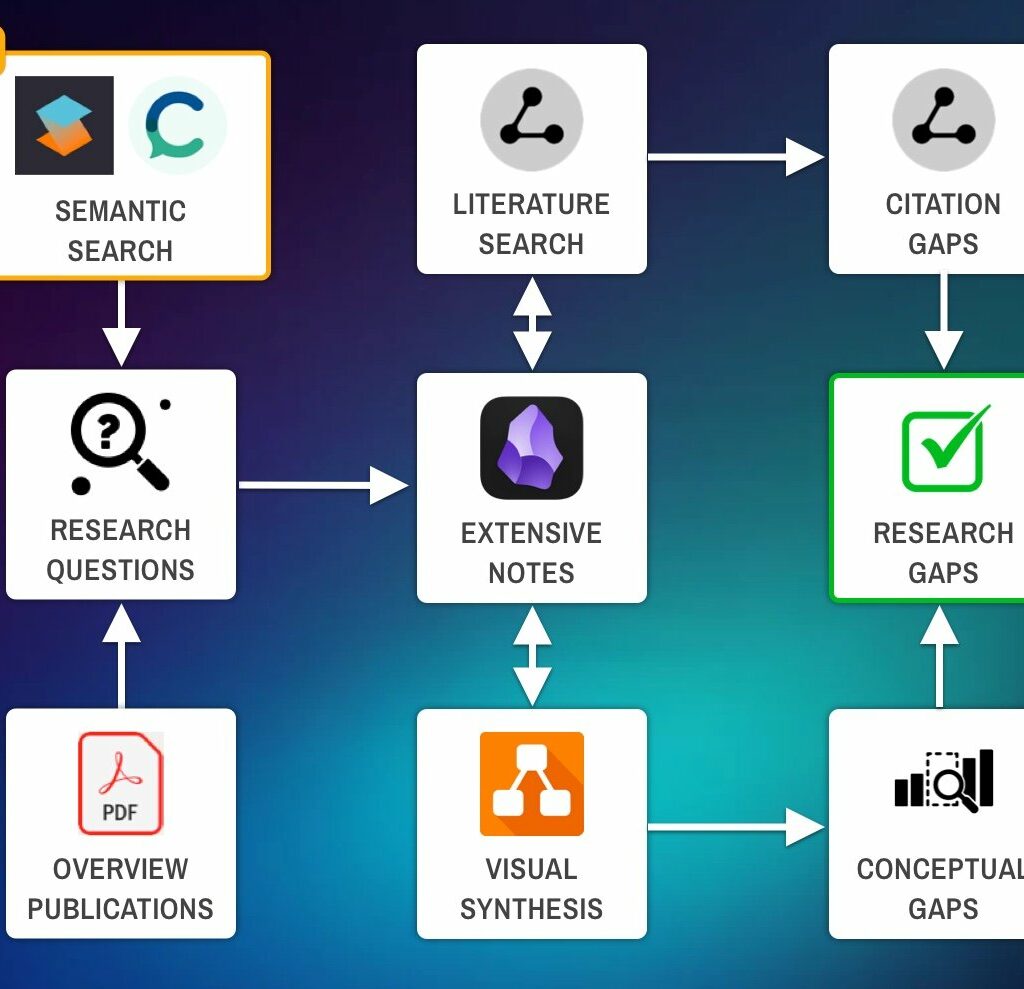
Short Answer
Understanding Gaps in Environmental Research
Environmental research is a critical field that addresses urgent ecological challenges and the accelerating impacts of climate change. However, significant gaps persist within this domain, reflecting areas where knowledge is incomplete or fragmented. These gaps highlight the complex interrelations and unresolved questions that hinder comprehensive understanding and effective action. This article explores the multifaceted nature of these research deficiencies, offering insights into their causes and implications.
Definition and Scope of Research Gaps
Research gaps in environmental studies refer to the absence or insufficiency of data, perspectives, or methodologies necessary to fully comprehend environmental phenomena. These gaps can manifest in various forms, including disciplinary isolation, temporal limitations, geographic biases, and overlooked ecological relationships.
- Disciplinary Fragmentation:
The tendency for researchers to work within narrowly defined fields, limiting holistic understanding. - Temporal Constraints:
Focus on short-term events rather than long-term environmental trends and historical contexts. - Geographical Bias:
Predominance of studies centered on developed regions, neglecting biodiversity and challenges in less-studied areas. - Ecological Oversights:
Insufficient attention to the roles and values of non-human organisms within ecosystems. - Technological Integration Deficits:
Underutilization of advanced tools like remote sensing and big data analytics. - Policy Translation Challenges:
Difficulties in converting scientific findings into effective environmental policies and practices. - Cultural and Ethical Dimensions:
Limited exploration of how human values and cultural frameworks influence environmental stewardship.
Interdisciplinary Collaboration: Bridging Disciplinary Silos
Environmental issues inherently intersect multiple academic fields such as ecology, sociology, economics, and political science. Despite this, research often remains compartmentalized, with specialists focusing narrowly on their own disciplines. This siloed approach restricts the development of comprehensive analyses that integrate ecological, social, and economic factors. For example, while ecological studies may detail the consequences of deforestation, they frequently overlook the socio-economic drivers behind such activities. Encouraging interdisciplinary cooperation can foster innovative solutions by combining diverse perspectives and expertise.
Temporal Dimensions: The Need for Longitudinal Research
Much environmental research concentrates on immediate or short-term phenomena, such as seasonal variations or recent human impacts. This limited temporal focus neglects the importance of long-term trends, historical data, and evolutionary processes that shape ecosystems over decades or centuries. Understanding how species adapt to changing climates or how ecosystems evolve requires extended studies that capture these dynamics. Expanding the temporal scope of research can reveal critical patterns and improve predictive models, thereby informing more effective environmental policies.
Geographical Representation: Addressing Regional Imbalances
Environmental research disproportionately emphasizes regions in the Global North, often sidelining the Global South where biodiversity is rich and environmental challenges are distinct. This geographic bias limits the applicability of findings and solutions across diverse ecological and socio-economic contexts. Comparative studies that include underrepresented regions can uncover unique ecological strategies and promote localized adaptations, enhancing global environmental resilience.
Non-Human Stakeholders: Embracing Eco-Centrism
Traditional environmental research tends to prioritize human impacts on nature, frequently neglecting the reciprocal relationships between humans and other living organisms such as animals, plants, and microorganisms. The eco-centric perspective advocates recognizing the intrinsic worth of all life forms and studying their interdependencies within ecosystems. Deepening research into these relationships can strengthen conservation efforts and support ecosystem stability.
Incorporating Emerging Technologies and Methodologies
Technological advancements like remote sensing, geographic information systems (GIS), and big data analytics offer transformative potential for environmental research. However, their integration into conventional research practices remains inconsistent. Developing robust frameworks to effectively utilize these tools can enhance monitoring capabilities, improve predictive accuracy, and facilitate the evaluation of environmental interventions.
From Research to Policy: Enhancing Implementation
Possessing scientific knowledge does not automatically translate into practical environmental policies or community actions. Bridging this gap requires effective communication and collaboration among scientists, policymakers, and stakeholders. Co-creating solutions through inclusive dialogues ensures that policies are ecologically sound and socially equitable, fostering sustainable environmental management.
Cultural Perspectives and Environmental Ethics
Human attitudes and cultural values significantly influence environmental behaviors and stewardship. What constitutes sustainable practice varies across cultures, shaped by differing ethical frameworks and worldviews. Anthropological research into these cognitive and cultural dimensions can illuminate motivations behind ecological actions, guiding the development of tailored environmental education and engagement strategies.
Why Addressing These Gaps Is Crucial
Recognizing and tackling the multifaceted gaps in environmental research is essential for advancing scientific understanding and effective environmental management. By promoting interdisciplinary collaboration, embracing long-term and geographically inclusive studies, integrating cutting-edge technologies, and fostering meaningful policy engagement, the global community can better confront ecological crises. Moreover, appreciating cultural diversity in environmental ethics enhances the relevance and acceptance of sustainability initiatives. Ultimately, closing these gaps supports the creation of resilient ecosystems and equitable environmental futures.
Summary
The complexities of environmental challenges demand a comprehensive research approach that transcends traditional boundaries. Addressing gaps related to disciplinary isolation, temporal and geographic limitations, ecological inclusivity, technological adoption, policy translation, and cultural understanding will empower researchers and decision-makers alike. This holistic perspective is vital for developing innovative solutions that safeguard the planet’s health and promote sustainable coexistence.
FAQ
What are the main gaps in environmental research?
Key gaps include lack of interdisciplinary collaboration, short-term focus, geographical biases favoring the Global North, underexplored roles of non-human stakeholders, limited use of emerging technologies, poor translation of research into policy, and insufficient understanding of cultural attitudes toward the environment.
Why is interdisciplinary collaboration important in environmental research?
Environmental issues span multiple domains such as ecology, sociology, economics, and politics. Interdisciplinary collaboration allows comprehensive analyses that better address these complex and interconnected challenges.
How do geographical biases affect environmental research?
Research often focuses on the Global North, neglecting the biodiversity and challenges of the Global South. This limits the applicability of solutions globally and overlooks diverse ecological strategies.
What role do emerging technologies play in environmental research?
Emerging technologies like remote sensing and big data analytics provide powerful tools for monitoring environmental changes and predicting outcomes, but their integration into traditional methodologies has been limited.
How can environmental research better influence policy?
Effective communication and collaboration between scientists and policymakers, considering diverse stakeholders, are essential to translate scientific knowledge into actionable and sustainable policies.





Leave a Reply