Is CERN really that powerful?

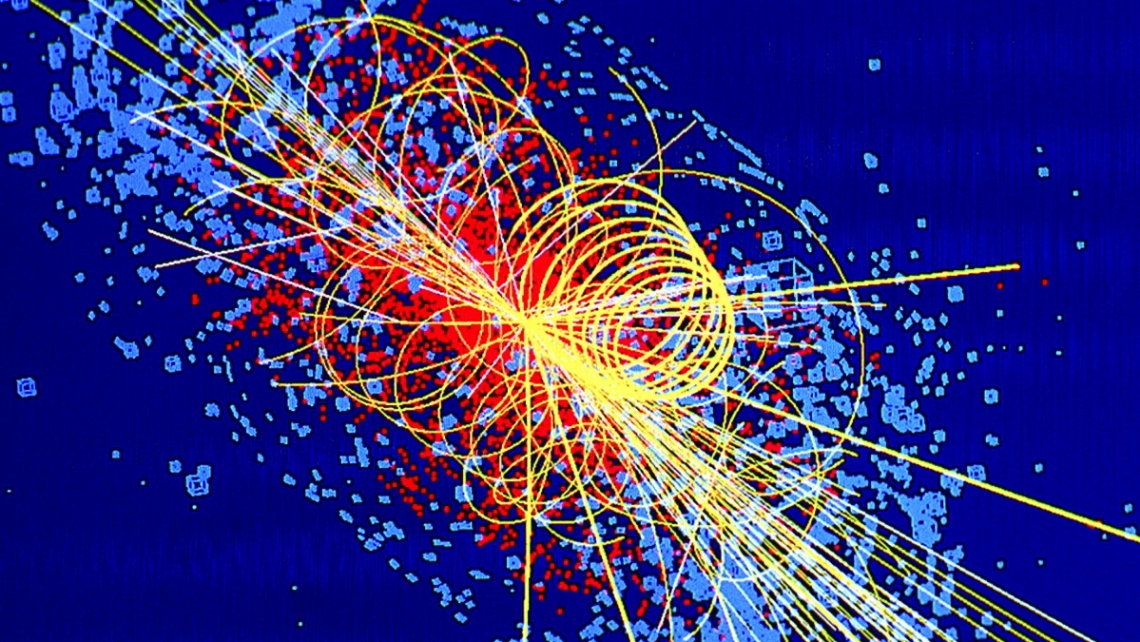
Definition of CERN The European Organization for Nuclear Research, commonly known as CERN, is the world’s premier particle physics laboratory. Situated beneath the border between Switzerland and France, CERN hosts the Large Hadron Collider (LHC), the most powerful particle accelerator ever constructed. This institution integrates multiple scientific disciplines-including physics, engineering, computer science, and philosophy-to explore […]

Read More →

What do you study in particle physics and astrophysics?

Overview of Particle Physics and Astrophysics Particle physics and astrophysics are two captivating branches of physics that explore the universe from vastly different scales yet remain deeply interconnected. While particle physics investigates the smallest building blocks of matter, astrophysics examines the grandest cosmic structures and phenomena. Together, these disciplines address fundamental questions about the universe’s […]

Read More →

From Code to Collider: Industrial Applications of Computational Physics

Definition of Computational Physics in Industry Computational physics is a scientific discipline that employs numerical algorithms and computer simulations to solve complex physical problems. Traditionally rooted in academic research, it has expanded its reach into various industrial sectors, enabling the modeling and analysis of phenomena that are difficult or impossible to study experimentally. By leveraging […]

Read More →

Has CERN affected time?

Understanding Time: A Fundamental Concept Time is an abstract dimension that shapes our perception of existence, captivating the minds of philosophers and scientists for centuries. It serves as a framework within which events occur, yet its true nature remains elusive. Modern physics has revolutionized our comprehension of time, especially through the theories of relativity and […]

Read More →

Antarctica Calling: Frontier Research at the Bottom of the World

Overview of Antarctica as a Scientific Frontier Antarctica, often depicted as an expansive, isolated wilderness at Earth’s southernmost point, remains a vital arena for scientific exploration. Dominated by immense ice sheets and glaciers, this continent attracts researchers fascinated by extreme terrestrial environments. Beyond its allure of adventure and solitude, Antarctica serves as a unique natural […]

Read More →

Cancer Detection Speeds Up: Physics Joins the Diagnostic Team

Understanding Cancer Detection Cancer detection represents a dynamic and rapidly advancing field within medical diagnostics, where the integration of multiple scientific disciplines accelerates progress toward effective treatment and disease management. The intersection of physics and medicine plays a crucial role in enhancing our ability to identify cancerous tissues early and accurately. This synergy addresses complex […]

Read More →