How to learn quantum computing with Qiskit?

Definition of Quantum Computing Quantum computing represents a revolutionary field that merges the principles of quantum physics with computational technology. Unlike classical computing, which relies on binary bits, quantum computing utilizes quantum bits or qubits, enabling the processing of information in ways that transcend traditional limitations. This emerging discipline opens doors to solving complex problems […]

Read More →

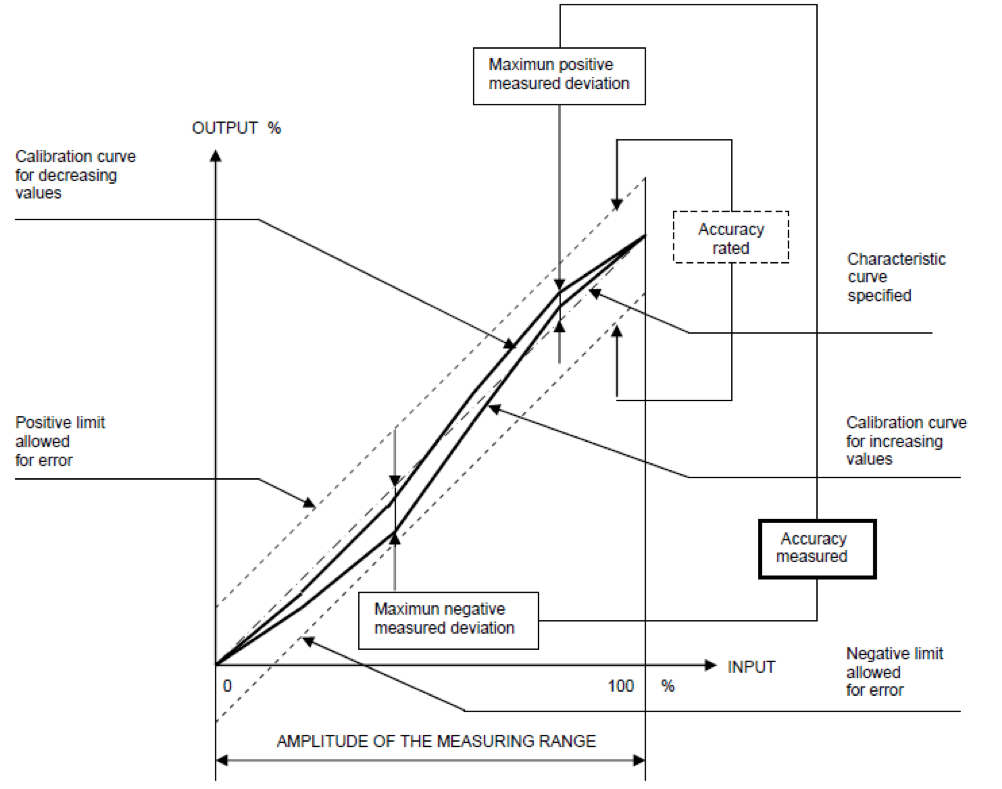
What is measurement?

Definition of Measurement Measurement is the systematic process of assigning numerical values to physical properties, enabling objective comparison and communication of attributes such as length, mass, temperature, and time. It serves as a fundamental tool in both scientific research and everyday activities, providing a standardized framework to quantify and understand the physical world. Historical Evolution […]

Read More →

What are the differences between cyclotrons and reactors?

Overview of Cyclotrons and Nuclear Reactors Within the vast domain of nuclear physics, cyclotrons and nuclear reactors stand out as two essential devices, each distinguished by their unique functions and characteristics. Both play critical roles in advancing scientific knowledge and technological progress, yet they operate on fundamentally different principles and serve diverse purposes. This article […]

Read More →

Can quantum computers break 2048 bit RSA?

Understanding Quantum Computing and RSA Encryption Quantum computing represents a revolutionary leap in computational power, poised to transform many fields, especially cryptography-the backbone of modern digital security. This article explores the potential of quantum computers to compromise the widely used 2048-bit RSA encryption, examining both the technical feasibility and broader implications of such a breakthrough. […]

Read More →

What is the future of high performance computing?

Understanding High Performance Computing (HPC) High Performance Computing (HPC) refers to the use of advanced computational systems and techniques to solve complex scientific, engineering, and data-intensive problems at unprecedented speeds. It involves leveraging powerful hardware and sophisticated software to perform large-scale calculations that traditional computing systems cannot efficiently handle. Purpose: To accelerate problem-solving in fields […]

Read More →

Planet Mania: Astronomers Are Seeing Worlds Everywhere

Understanding Planet Mania Planet Mania refers to the enthusiastic surge within the astronomical community sparked by the rapid discovery of planets beyond our solar system, known as exoplanets. This phenomenon highlights humanity’s expanding curiosity and the relentless pursuit to explore the vastness of the cosmos, revealing new worlds and challenging our previous conceptions of planetary […]

Read More →

What can you do with a PhD in quantum computing?

Understanding Quantum Computing and Its Distinctiveness Quantum computing represents a revolutionary branch of computation that diverges fundamentally from classical computing paradigms. Rooted in the principles of quantum mechanics, it exploits phenomena such as superposition and entanglement to perform calculations that classical binary systems cannot efficiently handle. This unique approach enables quantum computers to tackle complex […]

Read More →

What is energy efficiency and its importance?

Definition of Energy Efficiency Energy efficiency refers to the ability to accomplish the same level of service or output while consuming less energy. It embodies the principle of maximizing productivity with minimal energy input, which is crucial in addressing the growing global energy demand and limited natural resources. This concept extends beyond simply cutting energy […]

Read More →

Do electron particle accelerators increase volts and amps?

Definition of Electron Particle Accelerators Electron particle accelerators, also known as particle colliders or synchronous machines, are sophisticated devices used primarily in high-energy physics research. Their main function is to accelerate charged particles, such as electrons, to extremely high energies. This acceleration enables scientists to investigate the fundamental building blocks of matter and the forces […]

Read More →