
Short Answer
Definition of Instrumentation Engineering
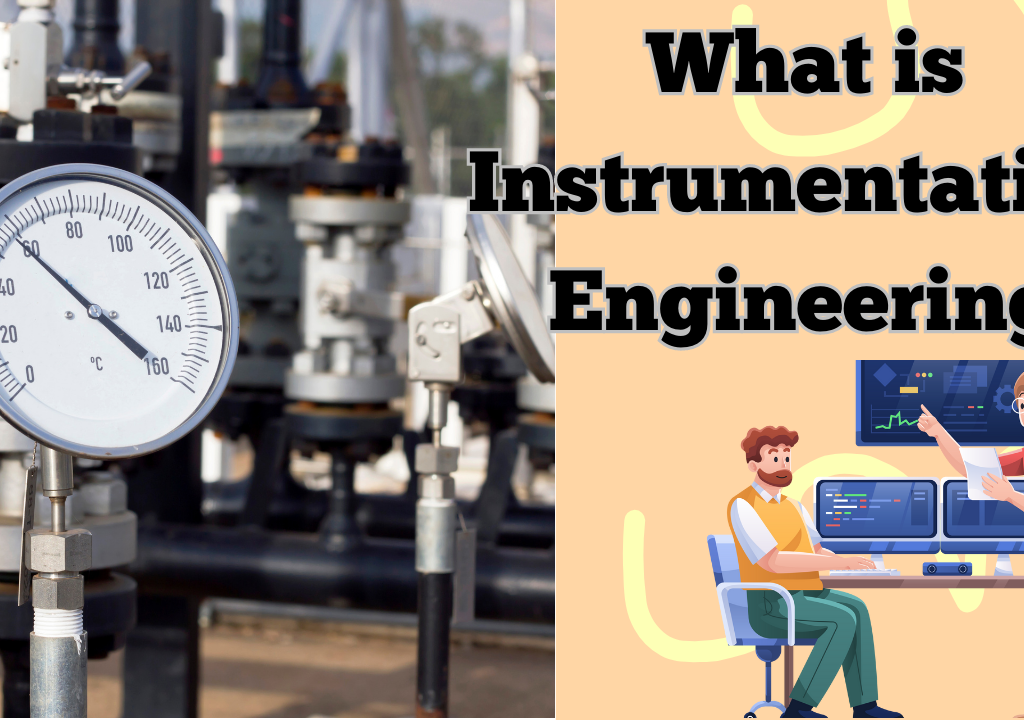
Instrumentation Engineering is a multidisciplinary engineering field that combines concepts from physics, electronics, and control theory to develop systems for measuring, monitoring, and controlling physical variables. It focuses on designing and implementing instruments and control systems that ensure accurate data acquisition and automated process regulation across various industries.
Core Subjects in Instrumentation Engineering
The discipline encompasses several fundamental subjects, each contributing distinct expertise essential for mastering measurement and control technologies. The primary areas include:
- Measurement Techniques:
Methods and principles used to quantify physical parameters such as temperature, pressure, and flow, emphasizing accuracy and precision. - Control Systems:
The study of automated regulation mechanisms that maintain system stability and optimize performance through feedback and control algorithms. - Signal Processing:
Techniques for analyzing, filtering, and interpreting analog and digital signals to extract meaningful information. - Sensors and Transducers:
Devices that convert physical phenomena into electrical signals, enabling interaction between the physical environment and electronic systems.
Measurement Techniques: Foundation of Accurate Data
Measurement Techniques form the cornerstone of Instrumentation Engineering by providing the tools and methodologies to obtain reliable quantitative data. This subject covers metrology-the science of measurement-along with calibration procedures and sensor behavior analysis. Precision in measurement is critical, as even minor errors can lead to significant consequences in industrial processes. For instance, in chemical manufacturing, slight deviations in temperature readings can cause product defects or safety hazards, underscoring the practical importance of mastering this subject.
Control Systems: Automating Process Regulation
Control Systems focus on designing frameworks that automatically adjust process variables to maintain desired operating conditions. Engineers learn to develop control strategies such as Proportional-Integral-Derivative (PID) controllers, which are fundamental in achieving system stability and responsiveness. The applications of control engineering are widespread, ranging from automotive traction control systems that enhance vehicle safety to aerospace autopilots that ensure precise navigation. This subject exemplifies the integration of theoretical knowledge with real-world technological solutions.
Signal Processing: Extracting Meaning from Data
Signal Processing involves the manipulation and interpretation of signals to improve data quality and extract relevant information. This field addresses challenges such as noise reduction, filtering, and signal transformation, which are vital in numerous applications including biomedical instrumentation, telecommunications, and robotics. The development of sophisticated algorithms in signal processing combines computational techniques with practical engineering needs, enabling enhanced data analysis and system performance.
Sensors and Transducers: Bridging Physical and Electronic Worlds
Sensors and Transducers are critical components that translate physical quantities into electrical signals for measurement and control purposes. This subject explores the diverse types of sensors-such as thermocouples for temperature measurement and accelerometers for motion detection-and the physical principles underlying their operation. Understanding these devices is essential for designing systems that accurately capture environmental data and interface effectively with electronic control units.
Choosing the Most Suitable Subject in Instrumentation Engineering
Determining the “best” subject within Instrumentation Engineering depends largely on individual interests, career goals, and the specific challenges one wishes to address. Key considerations include:
- Interest in Fundamentals:
Those passionate about core scientific principles and precise measurement may prefer Measurement Techniques. - Innovation and Problem-Solving:
Control Systems appeal to individuals who enjoy designing dynamic solutions and applying theoretical concepts practically. - Data Analysis Enthusiasts:
Signal Processing attracts those fascinated by data interpretation and algorithm development. - Hands-On Engineering:
Sensors and Transducers suit learners intrigued by hardware and the physical-electronic interface.
Impact of Technological Trends on Instrumentation Subjects
The rapid advancement of Industry 4.0, the Internet of Things (IoT), and automation technologies is reshaping the landscape of Instrumentation Engineering. These trends demand engineers who are versatile and knowledgeable across multiple subjects, as integrated systems increasingly rely on seamless interaction between measurement, control, signal processing, and sensing technologies. Consequently, a comprehensive understanding of these interconnected fields enhances employability and innovation potential in modern industries.
Why Mastery of Instrumentation Engineering Subjects Is Crucial
Proficiency in the core subjects of Instrumentation Engineering is vital for developing reliable, efficient, and intelligent systems that underpin contemporary industrial and technological processes. Accurate measurement ensures data integrity, control systems enable automation and safety, signal processing refines information quality, and sensors provide the essential interface with the physical environment. Together, these disciplines empower engineers to drive advancements in manufacturing, healthcare, transportation, and beyond.
Conclusion: Integrating Knowledge for Future Success
While preferences for specific subjects within Instrumentation Engineering vary among individuals, recognizing the complementary nature of Measurement Techniques, Control Systems, Signal Processing, and Sensors and Transducers is essential. A holistic approach that embraces the synergy among these areas equips engineers to meet evolving technological demands and excel in diverse applications. Ultimately, aligning personal passion with an understanding of industry trends will guide aspiring engineers toward a rewarding and impactful career in this dynamic field.
FAQ
What are the foundational subjects in Instrumentation Engineering?
The foundational subjects include Measurement Techniques, Control Systems, Signal Processing, and Sensors and Transducers.
Why is Measurement Techniques important?
It ensures precise quantification of physical variables, which is critical for reliable data and safe, efficient industrial processes.
How do Control Systems contribute to Instrumentation Engineering?
Control Systems enable automated regulation of processes, maintaining system stability and performance using techniques like PID control.
What role does Signal Processing play?
Signal Processing involves analyzing and filtering signals to extract meaningful information, which is vital for fields like telecommunications and robotics.
Why study Sensors and Transducers?
They bridge the physical and electronic worlds by converting physical phenomena into readable data, enabling modern technological applications.

Leave a Reply