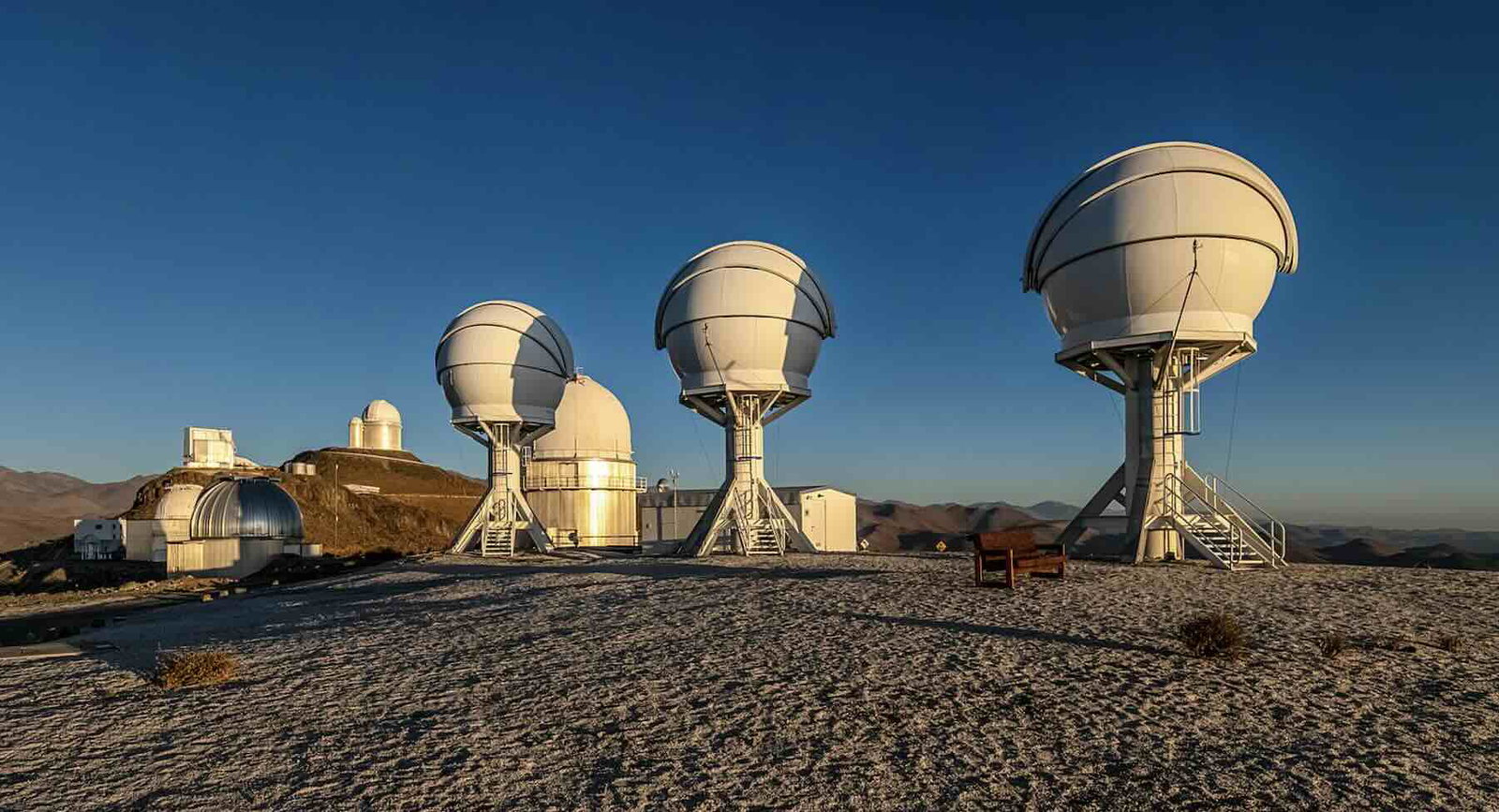
How Space Telescopes Actually Work (Simple Explanation)

Definition of Space Telescopes Space telescopes are advanced observational instruments positioned beyond Earth’s atmosphere, designed to capture and analyze electromagnetic radiation from celestial objects. Unlike ground-based telescopes, they operate in the vacuum of space, free from atmospheric distortions, enabling clearer and more detailed views of the universe. Purpose: To observe distant stars, galaxies, and cosmic […]

Read More →

Are Black Holes the Missing Link to Dark Energy?

Understanding Black Holes and Dark Energy Black holes, often described as the universe’s gravitational powerhouses, and dark energy, the mysterious force accelerating cosmic expansion, represent two of the most profound enigmas in modern astrophysics. The intriguing possibility that black holes might be connected to dark energy challenges traditional views and opens new avenues for exploring […]

Read More →

What Are Dark Matter and Dark Energy? (Explained in 5 Minutes)

Definition of Dark Matter and Dark Energy Dark matter and dark energy are two fundamental yet mysterious components that dominate the universe’s composition. Unlike ordinary matter, which interacts with light and can be observed directly, these entities neither emit nor absorb electromagnetic radiation, making them invisible to conventional detection methods. Together, they constitute approximately 95% […]

Read More →

How Dark Matter Builds Entire Galaxies

Definition of Dark Matter and Its Cosmic Role Dark matter is a mysterious and invisible substance that constitutes a fundamental component of the universe’s structure. Although it neither emits nor interacts with electromagnetic radiation, its gravitational influence is essential in shaping galaxies and larger cosmic formations. This unseen matter acts as a cosmic framework, providing […]

Read More →

The Bullet Cluster Explained—Proof or Coincidence?

Definition of the Bullet Cluster The Bullet Cluster is a remarkable astronomical phenomenon resulting from the high-speed collision of two galaxy clusters. This event has become a focal point in astrophysics due to its unique characteristics that provide insights into the distribution of mass and the elusive nature of dark matter. Essentially, the Bullet Cluster […]

Read More →

Is Hubble Still Alive in Space?

Definition of the Hubble Space Telescope The Hubble Space Telescope (HST), launched in 1990, is a pioneering astronomical observatory positioned in low Earth orbit. It serves as a powerful tool for exploring the universe, capturing detailed images and data that have significantly advanced our understanding of celestial phenomena such as galaxies, nebulae, and the structure […]

Read More →

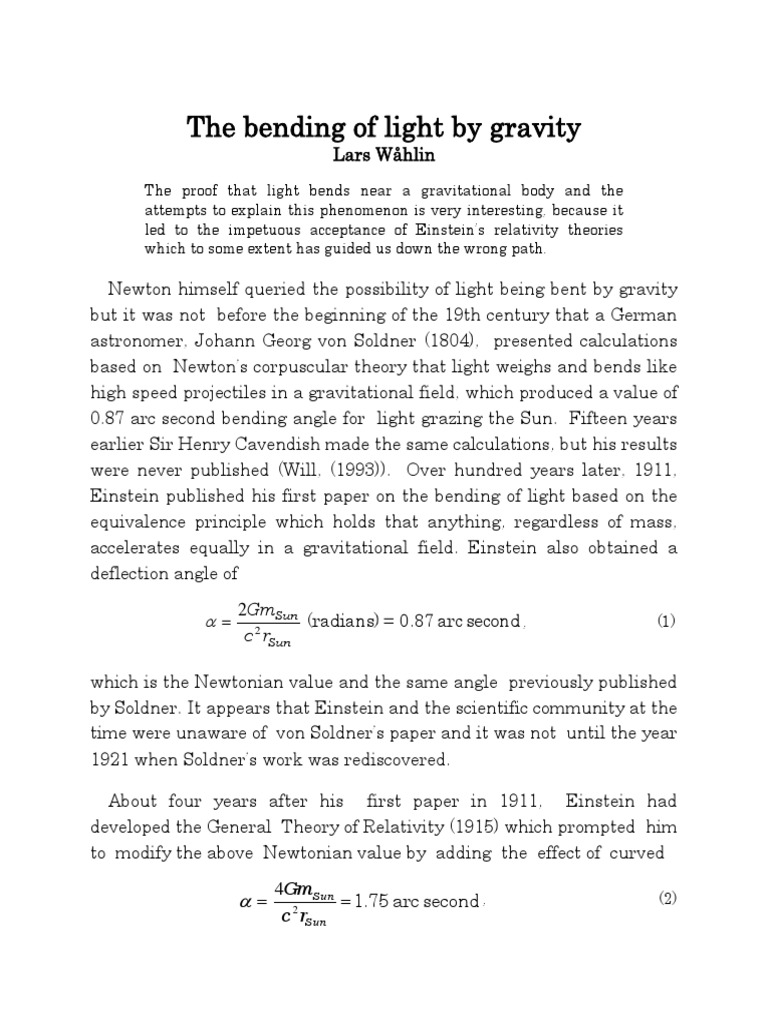
How Gravity Shapes Everything We See in the Universe

Definition of Gravity Gravity is a fundamental force of nature that governs the attraction between objects with mass. It is an invisible yet omnipresent phenomenon that shapes the structure and behavior of the universe at every scale, from subatomic particles to vast galaxies. This force is responsible for the cohesion of matter, enabling the formation […]

Read More →

How Deep Space Probes Travel Billions of Miles

Definition of Deep Space Probes Deep space probes are robotic spacecraft designed to travel vast distances beyond Earth’s immediate vicinity, venturing into the far reaches of our solar system and beyond. These unmanned explorers serve as our physical representatives in the cosmos, tasked with gathering scientific data from regions unreachable by human missions. Their journeys […]

Read More →