
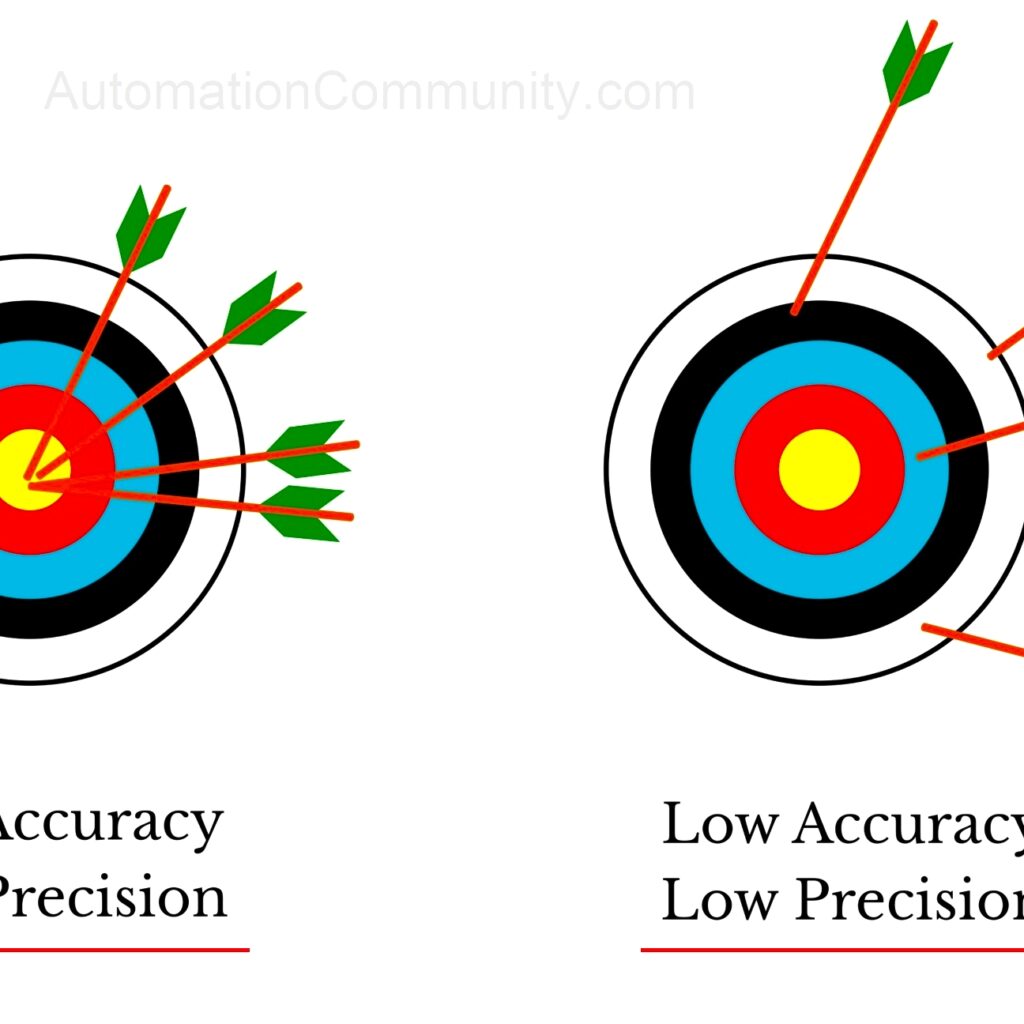
Short Answer
Definition and Fundamental Properties of Argon
Argon is a noble gas with the atomic number 18, characterized by its chemical inertness and stability. It predominantly exists as a gas under standard temperature and pressure conditions due to its complete outer electron shell, which renders it largely non-reactive. This inertness is a defining trait that minimizes its interaction with other elements, making argon an ideal candidate for applications requiring contamination-free environments.
- Atomic Number:
18 - State at Room Temperature:
Gaseous - Chemical Reactivity:
Extremely low due to filled valence shell - Isotopes:
Stable isotopes include argon-36, argon-38, and argon-40
Argon’s Role in Enhancing Accuracy and Precision
Argon’s unique physical and chemical characteristics contribute significantly to achieving high accuracy and precision in scientific measurements. Its inert nature reduces the risk of contamination and unwanted chemical reactions, which is crucial in controlled experimental setups. This stability allows for more reliable and reproducible results across various scientific disciplines.
Inert Atmospheres for Controlled Experiments
Laboratories often utilize argon-filled environments to prevent oxidation and other reactive processes that could compromise experimental integrity. By maintaining an argon atmosphere, researchers can conduct thermal and photophysical measurements with exceptional precision, as argon’s consistent thermal conductivity and specific heat capacity provide a stable reference framework.
Argon in Spectroscopy and Chemical Analysis
In spectroscopic techniques, argon serves as a carrier gas that minimizes background interference, thereby improving the clarity and accuracy of spectral data. This is particularly important in chemical identification and quantification, where precise spectral readings are essential for reliable analysis.
Applications in Atomic and Material Sciences
Atomic Physics and Laser Cooling
Argon plays a pivotal role in atomic beam experiments, where precision is paramount. Techniques such as laser cooling and trapping utilize argon as a cooling medium to reduce thermal noise, enabling the observation of atomic phenomena with remarkable accuracy. This facilitates the study of quantum oscillations and other subtle atomic behaviors, advancing fundamental research in quantum mechanics.
Material Science and Plasma Etching
In the fabrication of microelectronic devices, argon plasma etching is a critical process that ensures nanoscale precision. The non-reactive plasma environment sustained by argon allows for controlled etching of semiconductor surfaces, resulting in improved device performance and minimized defects. This application highlights argon’s contribution to precision manufacturing at the atomic and molecular levels.
Isotopic Analysis and Geological Applications
Argon’s isotopic composition, especially the stable isotopes argon-36, argon-38, and argon-40, is instrumental in geochronology and environmental science. Mass spectrometry techniques measure isotopic ratios with high precision to date rocks and analyze atmospheric changes over geological timescales. Accurate isotopic measurements require rigorous calibration against standards, underscoring the importance of precision in these scientific endeavors.
Technological Advancements and Future Prospects
Ongoing research aims to push the boundaries of measurement precision using argon, particularly in emerging fields like quantum computing and nanotechnology. Argon’s role in facilitating studies of quantum states and entanglement positions it as a key element in the development of next-generation technologies such as quantum cryptography. These advancements promise to expand the scope of argon’s applications in cutting-edge scientific research.
Industrial Significance of Argon in Precision Processes
Beyond research laboratories, argon is vital in various industries that demand precise control over chemical environments. In pharmaceutical manufacturing, argon atmospheres protect sensitive compounds from contamination, ensuring product integrity. This inert environment is essential for maintaining the accuracy of chemical formulations and the quality of final products, demonstrating argon’s practical value in industrial precision.
Common Misconceptions About Argon
Argon is completely inert and never reacts.
While argon is highly inert under normal conditions, it can form compounds under extreme conditions, such as in plasma states or with highly reactive species.
Argon’s only use is as a filler gas.
Argon has diverse applications including spectroscopy, plasma etching, isotopic analysis, and quantum research, far beyond simple inert gas roles.
Why Argon’s Precision Matters
Argon’s unique properties make it indispensable in scientific and industrial contexts where accuracy and precision are critical. Its ability to provide stable, contamination-free environments enhances the reliability of experimental data and manufacturing processes. As science advances towards exploring atomic-scale phenomena and developing quantum technologies, argon’s role as a facilitator of precision measurement and control becomes increasingly significant, underscoring its value in both fundamental research and practical applications.
FAQ
What is argon?
Argon is a noble gas with atomic number 18, known for its chemical inertness and stability.
How is argon used in scientific measurements?
Argon is used to create inert atmospheres in laboratories and as a carrier gas in spectroscopy to enhance accuracy.
What are the isotopes of argon?
The stable isotopes of argon include argon-36, argon-38, and argon-40.






Leave a Reply