
Short Answer
Overview of Academic Paths: Ph.D. in Physics vs. MBA
Deciding between pursuing a Doctorate in Physics or a Master of Business Administration represents a crucial crossroads that can shape both one’s educational journey and professional future. Each discipline offers distinct benefits and challenges, reflecting different intellectual passions-one grounded in exploring the fundamental laws of nature, the other focused on mastering the complexities of business and management.
Understanding a Ph.D. in Physics
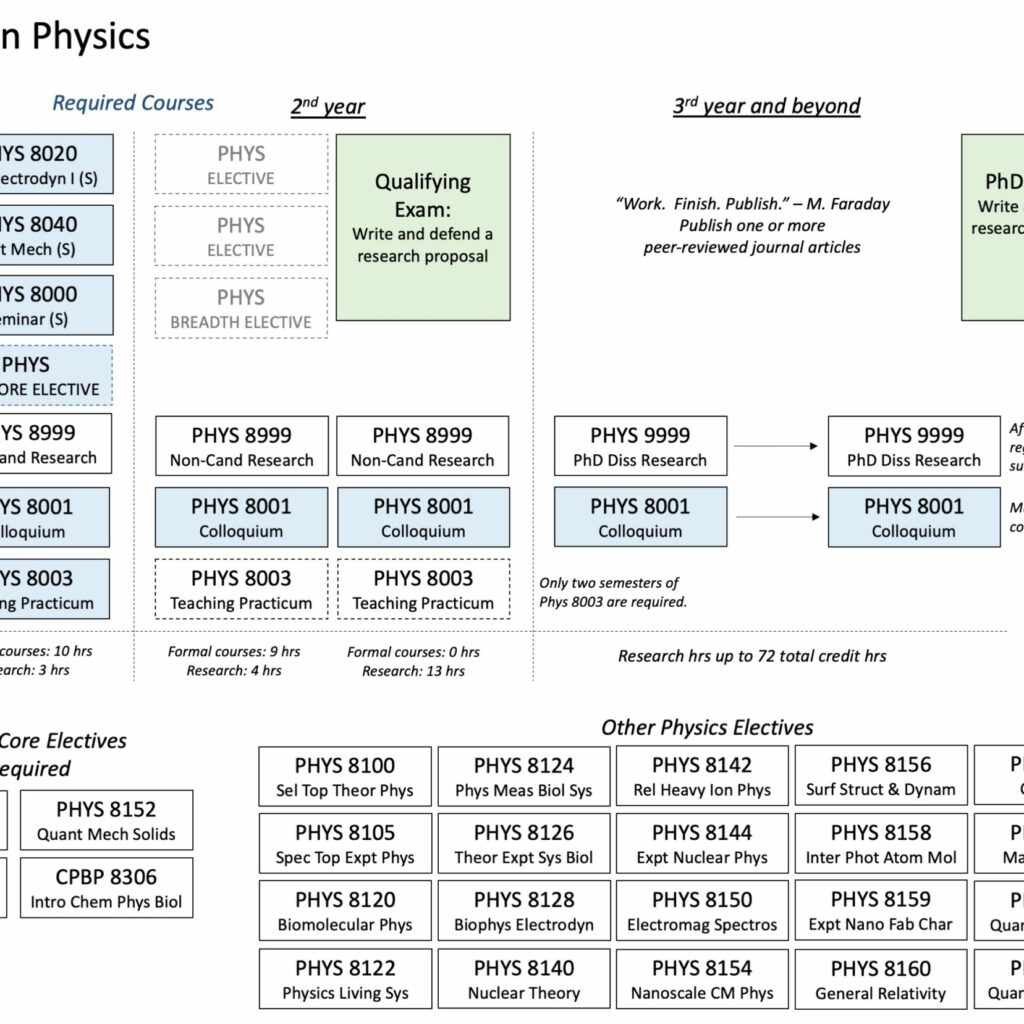
A Ph.D. in Physics is dedicated to uncovering the foundational principles that govern the universe. This path involves intensive research, designing experiments, and engaging with theoretical frameworks. Although physics is often associated with abstract mathematical models and intricate theories, its impact extends broadly into fields such as technology innovation, healthcare advancements, and environmental solutions.
- Research Focus:
Emphasizes experimental and theoretical investigation into natural phenomena. - Applications:
Influences diverse sectors including engineering, medicine, and environmental science. - Career Trajectory:
Often leads to roles in academia, research institutions, or specialized industries.
Exploring the MBA Experience
An MBA centers on the study of business management, leadership, and strategic decision-making. This degree equips students with analytical tools and practical knowledge to excel in corporate environments. The appeal of an MBA lies in its direct applicability to real-world business challenges and its potential to open doors to lucrative leadership positions or entrepreneurial ventures.
- Core Competencies:
Develops skills in finance, marketing, operations, and organizational leadership. - Practical Orientation:
Focuses on case studies, teamwork, and strategic problem-solving. - Career Opportunities:
Prepares graduates for executive roles, consultancy, and business innovation.
Motivations Behind Each Choice
The decision to pursue either a Ph.D. in Physics or an MBA often reflects deeper personal interests and professional goals. Those captivated by the mysteries of the cosmos and the fundamental forces of nature view a Ph.D. as a lifelong quest for knowledge and discovery. This path is driven by intellectual curiosity and a desire to contribute to scientific understanding, often transcending immediate financial incentives.
Conversely, individuals attracted to an MBA typically seek rapid career progression and leadership opportunities within the business world. The degree appeals to those motivated by practical impact, innovation, and the challenge of steering organizations toward growth and success.
Interdisciplinary Synergies: Bridging Physics and Business
In today’s evolving professional landscape, the intersection of physics and business is increasingly significant. Technological breakthroughs originating from scientific research have spawned industries where expertise in both science and commerce is invaluable. Professionals who combine a physics background with business acumen-such as physicists with MBAs-are well-positioned to thrive in technology startups, data analytics, and innovation-driven enterprises.
Financial Considerations and Career Outcomes
Financial prospects often influence the choice between these two paths. While an MBA generally offers quicker access to higher salaries and corporate roles, a Ph.D. in Physics may not provide immediate financial rewards. However, over time, Ph.D. holders can secure well-compensated positions in specialized fields or academia, contributing to technological and scientific progress with broad societal impact. Meanwhile, MBA graduates may enjoy lucrative careers but could face limitations in long-term job satisfaction or advancement ceilings.
Personal Fulfillment and Long-Term Satisfaction
Beyond monetary factors, personal contentment and alignment with one’s values are critical in making this decision. Success can be defined in various ways-whether through meaningful work, societal contributions, or intellectual growth. Prospective students should reflect on what resonates most deeply with their aspirations, whether it is the pursuit of cosmic understanding or the dynamic challenges of business leadership.
Conclusion: Aligning Career Choices with Core Aspirations
The choice between a Ph.D. in Physics and an MBA transcends mere academic preference; it embodies an individual’s fundamental motivations and worldview. Whether one is drawn to unraveling the universe’s secrets or navigating the complexities of commerce, this decision shapes not only professional outcomes but also personal development and intellectual fulfillment. Ultimately, selecting the path that harmonizes with one’s passion and purpose is essential for a rewarding and impactful career.
FAQ
What is the primary focus of a Ph.D. in Physics?
A Ph.D. in Physics focuses on research, experimental design, and theoretical frameworks to understand natural phenomena.
What career opportunities does an MBA provide?
An MBA offers career opportunities in corporate leadership, consultancy, and business innovation.





Leave a Reply