
Short Answer
Definition of Waste Management Methods
Waste management encompasses various techniques for handling the byproducts of human consumption. Two prominent methods are landfilling and incineration, each with distinct processes and environmental implications.
- Landfills:
Large designated areas where waste is deposited and buried, often accumulating over decades. - Incinerators:
Facilities that combust waste at high temperatures, converting it into ash, gases, and heat energy.
Overview of Landfills
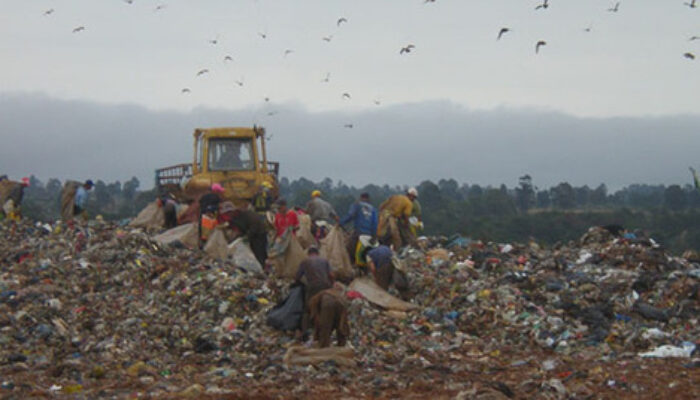
Landfills serve as extensive repositories for solid waste, where layers of refuse are compacted and covered to isolate them from the environment. These sites resemble artificial hills, growing steadily as waste accumulates. Despite their apparent simplicity, landfills pose significant environmental risks. One major concern is leachate, a toxic liquid formed when rainwater filters through decomposing waste, potentially contaminating groundwater supplies. Additionally, the anaerobic decomposition of organic material generates methane, a greenhouse gas with a global warming potential far exceeding that of carbon dioxide, contributing substantially to climate change.
Incineration: Process and Environmental Impact
Incineration involves burning waste at elevated temperatures, drastically reducing its volume-often by up to 90%. This process not only minimizes the physical footprint of waste but also enables the recovery of energy through heat generation. However, incineration is not without environmental drawbacks. The combustion process can release harmful pollutants such as dioxins, heavy metals, and fine particulate matter, which pose risks to air quality and public health. Modern incineration plants employ advanced filtration and scrubbing technologies to mitigate these emissions, striving to balance efficiency with environmental safety.
Spatial and Ecological Considerations
Landfills require vast tracts of land, often rendering the area unusable for centuries and disrupting local ecosystems. The long-term occupation of land by waste sites limits opportunities for ecological restoration or alternative land uses. In contrast, incinerators occupy significantly less space due to the reduction of waste volume through combustion. This smaller footprint allows for more flexible urban planning, potentially preserving green spaces and promoting biodiversity.
Sustainability and Economic Models in Waste Management
Landfilling reflects a linear economic model characterized by a “take-make-dispose” approach, which perpetuates continuous consumption and waste generation without recovery. Conversely, incineration aligns more closely with circular economy principles by converting waste into usable energy, thereby promoting resource efficiency. Nonetheless, the sustainability of incineration depends heavily on the type of waste processed. Organic, recyclable, and hazardous materials should ideally be diverted from incineration to optimize recycling and reduce environmental harm.
Technological Advances in Incineration
Recent innovations in incineration technology have significantly improved emission controls. Sophisticated filtration systems and chemical scrubbers reduce the release of toxic substances, making modern incinerators cleaner and more environmentally acceptable. This evolution parallels the broader energy sector’s transition from fossil fuels to cleaner alternatives, suggesting that waste-to-energy technologies could play a role in sustainable waste management if continuously refined.
Waste Management Hierarchy and Best Practices
The globally recognized waste management hierarchy prioritizes reducing waste generation, reusing materials, and recycling over disposal methods like landfilling and incineration. Both landfills and incinerators are considered last-resort options within this framework. Emphasizing behavioral changes, improved production methods, and systemic reforms in consumption patterns is essential to minimizing environmental impacts and achieving sustainability goals.
Societal and Regulatory Dimensions
Decisions regarding waste management strategies extend beyond technical assessments to include social, economic, and political factors. Public perception, community involvement, and regulatory policies significantly influence the acceptance and implementation of either landfilling or incineration. Transparent communication and comprehensive environmental impact evaluations are critical to fostering informed civic engagement and responsible decision-making.
Conclusion: Balancing Waste Management Strategies
The comparison between landfills and incinerators highlights the multifaceted challenges of environmental stewardship in waste management. While incineration offers advantages in reducing waste volume and land use, concerns about emissions and sustainability remain. Landfills, though traditional and widespread, carry long-term environmental liabilities. A balanced approach that integrates technological improvements, community participation, and adherence to waste reduction principles may pave the way toward more sustainable and conscientious waste management practices. Ultimately, the choices society makes in handling waste reflect broader commitments to environmental responsibility and resource conservation.
FAQ
Are incinerators more environmentally friendly than landfills?
Incinerators reduce waste volume significantly and recover energy, but can emit harmful pollutants; landfills occupy large land areas and produce methane gas. Both have environmental trade-offs, and their suitability depends on waste type, technology used, and local conditions.
What are the main environmental concerns with landfills?
Landfills can contaminate groundwater through leachate, produce methane gas contributing to climate change, and require large land areas that disrupt ecosystems.
How has incineration technology improved environmental outcomes?
Modern incinerators use advanced filtration and scrubbing systems to reduce emissions of dioxins, heavy metals, and particulates, making them cleaner and more acceptable environmentally.
What role do societal and regulatory factors play in waste management choices?
Public perception, community involvement, and regulations significantly influence the acceptance and implementation of landfills or incinerators, requiring transparent communication and environmental assessments.
What waste management practices are preferred over landfilling and incineration?
The waste management hierarchy prioritizes reducing waste, reusing materials, and recycling before resorting to landfilling or incineration, which are considered last-resort disposal methods.





Leave a Reply