
Short Answer
Understanding Desert Environments
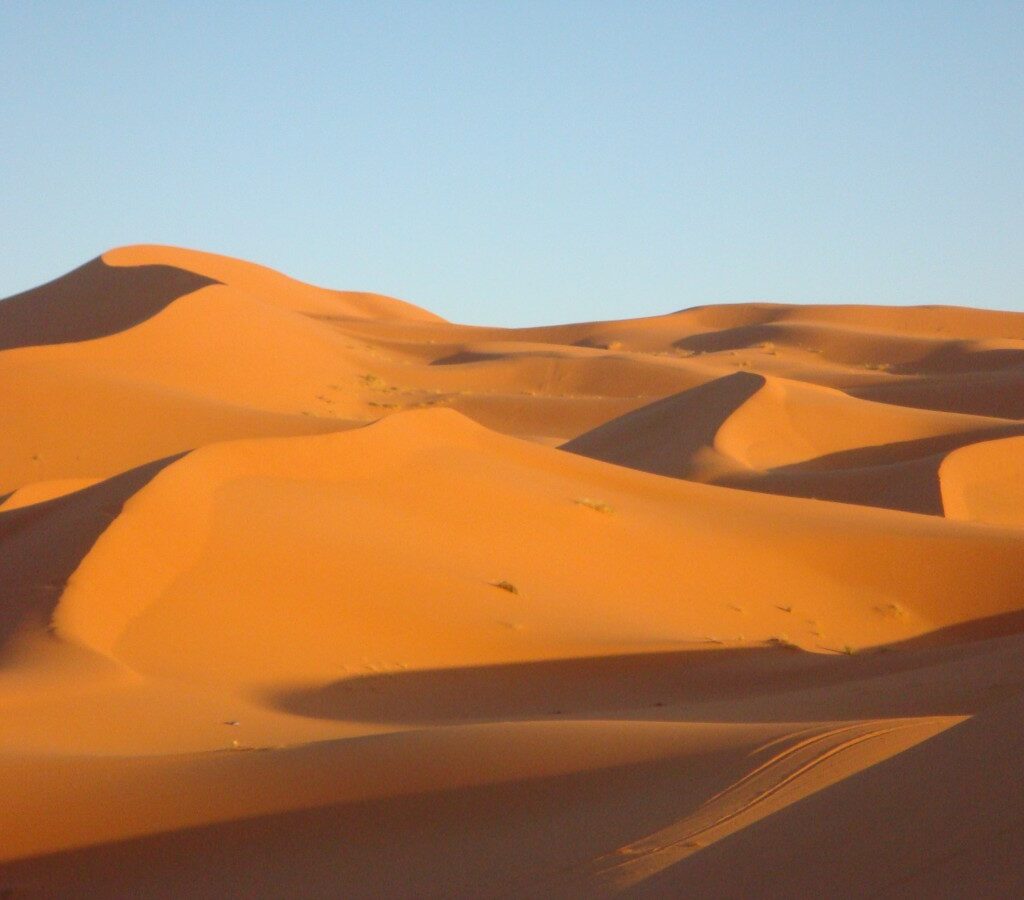
Deserts are characterized by their dry terrain and vast expanses of sand dunes, making them intriguing subjects for scientific study through the lens of physics. These harsh ecosystems provoke questions about the fundamental forces that drive sand movement and enable life to persist under extreme conditions. Investigating these mechanisms reveals the complexity of desert landscapes and highlights the challenges faced by organisms inhabiting such unforgiving regions.
Wind Erosion and Sand Transport
The primary force shaping desert landscapes is wind, which drives the erosion and relocation of sand particles. The movement of sand is governed by the concept of threshold wind speed-the minimum velocity required to lift grains from the surface. When wind speeds exceed this threshold, sand grains engage in a process called saltation, where they bounce and hop along the ground, creating a continuous chain of particle movement. This dynamic process is essential for understanding how dunes form and evolve, demonstrating that desert terrains are far from static.
Granular Mechanics of Sand
Sand grains interact in complex ways under the influence of wind and gravity. A key factor in dune formation is the angle of repose, which is the steepest angle at which loose sand remains stable without sliding. This angle varies depending on grain size, moisture levels, and particle shape. These variables contribute to the diverse dune morphologies observed in deserts, ranging from linear ridges to crescent-shaped barchans. Exploring how the physical characteristics of sand grains influence dune architecture can inspire innovative designs in sustainable construction, particularly in arid zones.
Thermal Dynamics in Desert Ecosystems
Deserts experience extreme temperature fluctuations, with scorching heat during the day and rapid cooling at night. This thermal cycling causes sand particles to expand and contract, generating stress that can fracture rocks and reshape the landscape over time. The concept of thermal inertia-the resistance of materials to temperature change-is crucial for understanding how desert organisms cope with these harsh conditions. Species such as desert tortoises and cacti have evolved biological adaptations that allow them to withstand these temperature extremes, illustrating the interplay between physical forces and life.
Water Conservation Mechanisms
Water scarcity is a defining challenge in desert habitats, prompting organisms to develop remarkable strategies for moisture retention. Cacti, for example, possess thick, fleshy stems that store water collected during rare rainfall events. These adaptations rely on physical principles like capillary action and osmosis to efficiently manage internal water resources. Such biological innovations raise intriguing possibilities for human applications, suggesting that biomimetic technologies could be developed to improve water conservation in drought-prone areas.
Thermoregulation and Behavioral Adaptations
Maintaining optimal body temperature is vital for desert fauna. Many animals adopt crepuscular activity patterns, being most active during dawn and dusk to avoid the intense midday heat. Others have evolved reflective fur or scales that minimize heat absorption by deflecting sunlight. These adaptations are grounded in the physics of heat transfer and radiation, highlighting the sophisticated ways in which life adjusts to environmental stressors. Ongoing research may uncover additional survival strategies hidden within the diverse desert biota.
Interconnectedness of Physical and Biological Processes
The desert ecosystem is a complex network where physical phenomena such as wind dynamics, thermal fluctuations, and water physics intertwine with biological adaptations. This synergy shapes the environment and dictates the survival of its inhabitants. However, human activities like urban expansion and climate change threaten to disrupt this delicate balance, emphasizing the need for integrated approaches to desert conservation.
Challenges and Opportunities in Desert Conservation
As deserts face increasing pressure from human development and environmental shifts, scientists and policymakers must seek sustainable solutions that harmonize growth with ecosystem preservation. This challenge invites interdisciplinary collaboration, combining insights from physics, ecology, and social sciences to devise strategies that promote coexistence rather than degradation. The study of desert mechanics not only enhances our understanding of these landscapes but also informs innovative practices for managing water scarcity, land use, and biodiversity protection.
Conclusion: The Significance of Desert Studies
The study of deserts reveals a captivating blend of physical laws and biological resilience. The interactions between sand, temperature, and living organisms underscore the adaptability inherent in these extreme environments. Addressing questions of survival, sustainability, and human impact remains critical for advancing knowledge and stewardship of desert regions. Within the vast heat and shifting sands lies a compelling narrative that continues to inspire scientific inquiry and environmental awareness.
FAQ
What is the significance of studying desert mechanics?
Studying desert mechanics enhances our understanding of ecological balance and informs sustainable practices for desert conservation.
What adaptations do desert plants have for water conservation?
Desert plants, like cacti, have adaptations such as thick stems to store water and utilize physical principles like capillary action.




Leave a Reply