
Short Answer
Definition of Modern Display Technologies
Display technology has undergone a remarkable transformation, evolving from early cathode ray tube (CRT) systems to sophisticated high-definition liquid crystal displays (LCDs) and organic light-emitting diodes (OLEDs). The latest advancements focus on manipulating light at microscopic scales to create more vivid, immersive visual experiences. This article explores the progression from traditional crystal-based displays to cutting-edge three-dimensional (3D) technologies, highlighting their impact on visual media and user interaction.
Fundamental Principles of Display Technology
At its core, display technology revolves around controlling light to render images. Conventional displays use a matrix of pixels, each composed of red, green, and blue sub-pixels that blend to produce a wide range of colors. Liquid crystal displays (LCDs), a prevalent type of crystal display, employ liquid crystals to modulate light transmission by adjusting their transparency. Although effective, this method restricts color depth and viewing angles, resulting in a relatively flat and less immersive viewing experience.
Emerging Technologies Enhancing Visual Quality
MicroLED Technology
MicroLEDs represent a breakthrough in display innovation, consisting of tiny light-emitting diodes measured in micrometers. Each microLED can be individually controlled to emit light, enabling displays with exceptional brightness, contrast, and color accuracy. This fine control over light output allows for a broader color gamut and more precise color reproduction, significantly enhancing the realism and vibrancy of images.
Quantum Dot Displays
Quantum dots are nanoscale semiconductor particles that emit light at specific wavelengths depending on their size. When integrated into display panels, quantum dots provide unparalleled color precision and energy efficiency. Their ability to produce a wide spectrum of colors with minimal power consumption makes them a promising technology for high-fidelity, eco-friendly displays.
Advancements in Three-Dimensional Imaging
Light Field Technology
Light field displays capture and project the full light information from a scene, including direction and intensity, rather than just flat images. Unlike traditional stereoscopic 3D that relies on separate images for each eye, light field technology offers multiple perspectives simultaneously. This creates a more natural sense of depth and spatial awareness, allowing viewers to perceive shifting viewpoints as they move, closely mimicking real-world vision.
Holographic Displays
Holography uses interference patterns to generate three-dimensional images viewable without special glasses. Historically, producing practical holographic displays has been challenging due to complexity and cost. However, recent progress in photonic materials and computational imaging has made holography more accessible, promising a future where holographic visuals become commonplace in consumer and professional settings.
Applications Across Industries
Entertainment and Film
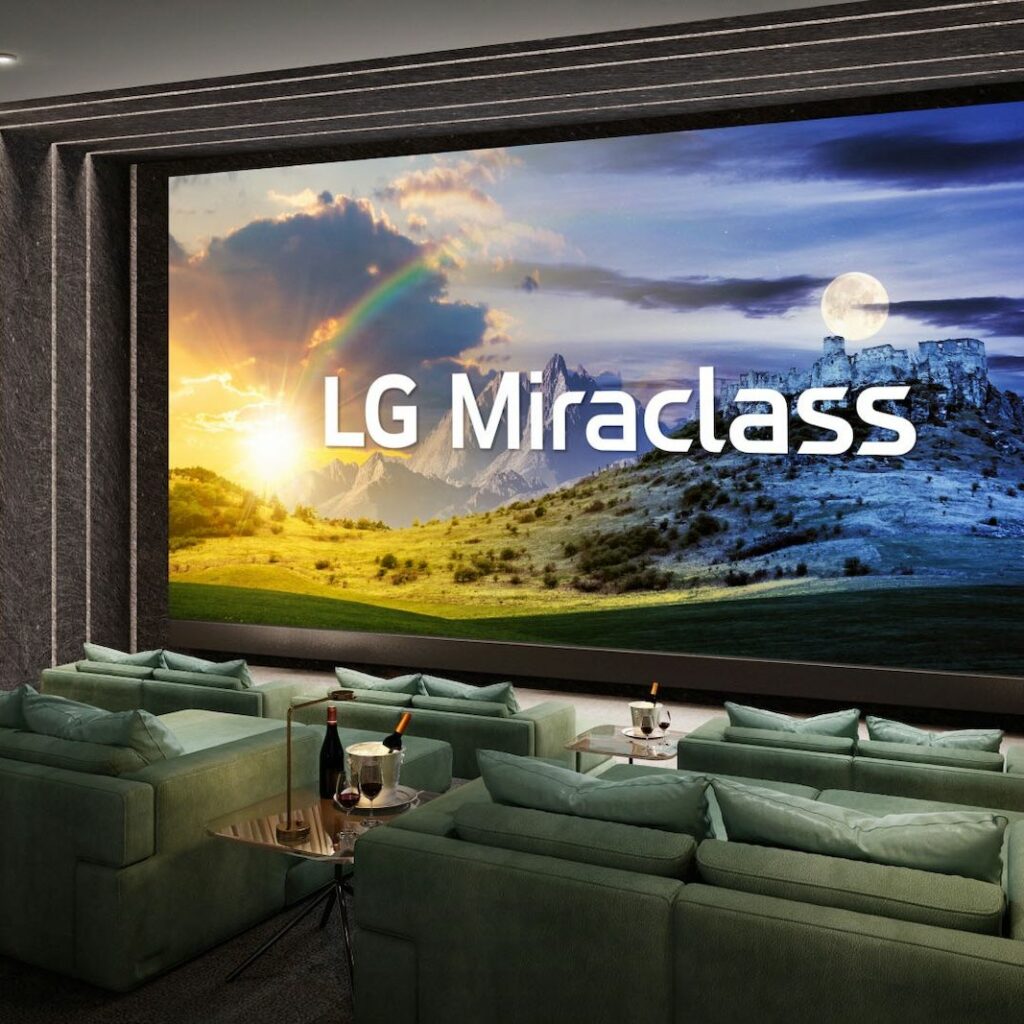
The film industry stands to benefit immensely from these display innovations. Incorporating microLEDs and quantum dots into cinema screens can deliver richer colors and deeper contrasts, enhancing storytelling through more lifelike visuals. This elevates the emotional impact and viewer engagement, making cinematic experiences more captivating.
Gaming
Gaming environments can leverage these technologies to create highly immersive worlds. MicroLEDs provide superior graphical fidelity, while light field displays enable dynamic spatial awareness, allowing players to interact with virtual spaces in more intuitive and strategic ways. This fusion of technologies promises to revolutionize gameplay realism and interactivity.
Education and Corporate Use
Interactive displays powered by holography and light field technology have the potential to transform learning and presentations. For example, students could explore detailed 3D models of biological systems, and business professionals might visualize complex data sets interactively. These tools facilitate deeper comprehension by offering multidimensional perspectives beyond traditional flat screens.
Environmental and Energy Considerations
Beyond visual enhancements, the adoption of energy-efficient technologies like quantum dots and microLEDs contributes to reducing the ecological footprint of display devices. Lower power consumption not only decreases operational costs but also supports sustainable development by minimizing environmental impact, addressing growing concerns about energy use in technology.
Conclusion: The Future of Visual Displays
The integration of advanced light manipulation techniques heralds a new era in display technology. Moving beyond crystal-based systems to dynamic, three-dimensional visuals promises more immersive, colorful, and interactive experiences. As these innovations mature, screens will evolve from mere content displays into portals that deepen our engagement with digital and real-world environments alike.
FAQ
What are the main advancements in display technology?
Key advancements include microLEDs, quantum dot displays, light field technology, and holographic displays, each enhancing visual quality and interactivity.
How do microLEDs improve display performance?
MicroLEDs provide exceptional brightness, contrast, and color accuracy by allowing individual control over tiny light-emitting diodes.
What is light field technology?
Light field technology captures and projects full light information from a scene, creating a more natural depth perception without special glasses.





Leave a Reply