
Short Answer
Definition of Quantum Computing
Quantum computing represents a groundbreaking shift in computational technology, leveraging the principles of quantum mechanics to process information in fundamentally new ways. Unlike classical computers that use bits as the smallest unit of data, quantum computers utilize quantum bits, or qubits, which can exist simultaneously in multiple states due to superposition and can be interconnected through entanglement. This unique capability allows quantum computers to tackle problems that are currently intractable for classical systems.
- Qubits:
The fundamental units of quantum information, capable of representing both 0 and 1 simultaneously. - Superposition:
A quantum phenomenon where qubits exist in multiple states at once, enabling parallel computation. - Entanglement:
A property that links qubits such that the state of one instantly influences the state of another, regardless of distance.
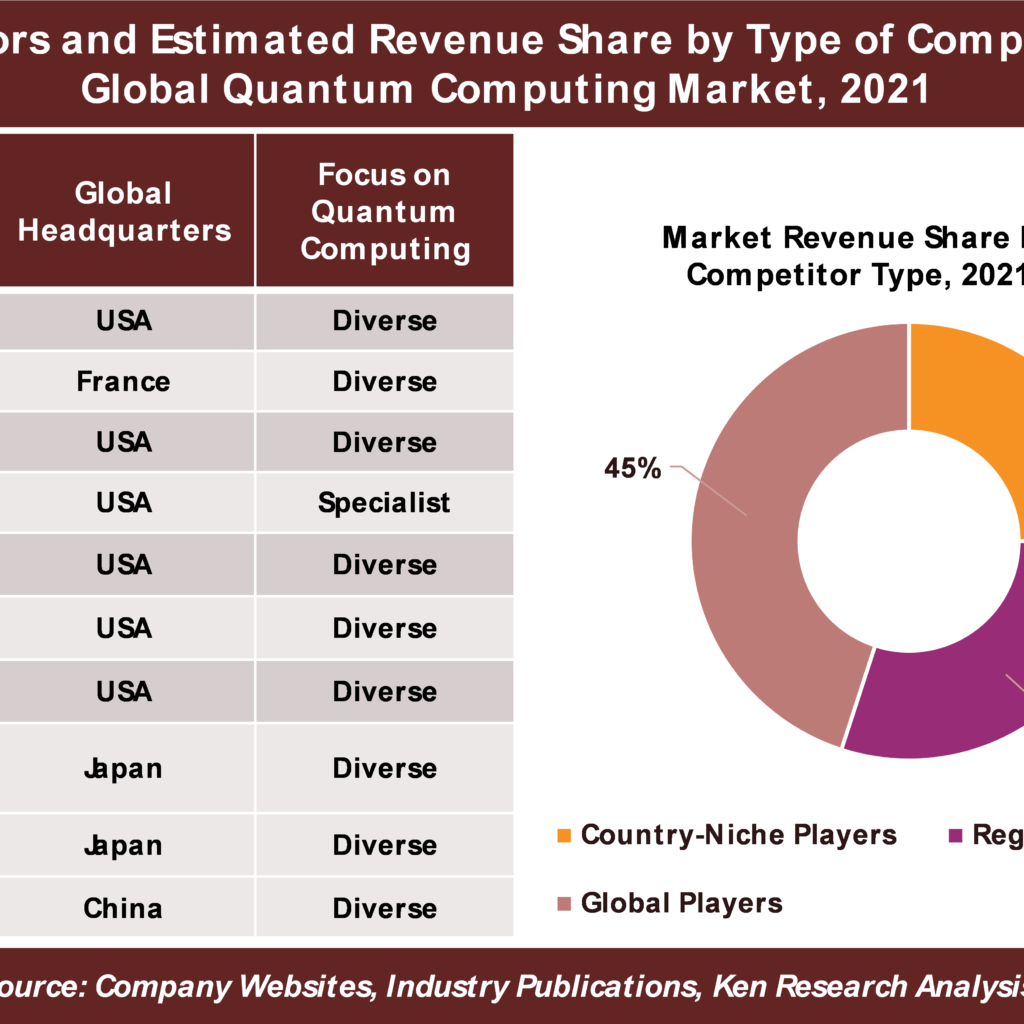
Current Landscape and Market Growth
The quantum technology sector is experiencing rapid expansion, reminiscent of the transformative era when electricity first began to permeate society. This growth is driven by quantum computing’s unparalleled ability to analyze massive datasets and execute complex algorithms at speeds unattainable by classical computers. Various industries, including pharmaceuticals, cryptography, and materials science, are increasingly viewing quantum computing not as an auxiliary tool but as a foundational technology for future development.
Applications Across Industries
Pharmaceuticals and Molecular Simulation
Quantum computers have the potential to revolutionize drug discovery by simulating molecular interactions with extraordinary accuracy. This capability could drastically reduce the time required to develop new medications, transforming a process that traditionally takes years into one that could be completed in a fraction of the time. Such advancements attract significant interest from investors and innovators, akin to the fervor of a gold rush driven by the promise of groundbreaking discoveries.
Cybersecurity: Opportunities and Threats
Quantum computing introduces a paradox in cybersecurity. On one hand, it enables the creation of highly secure encryption methods through quantum key distribution, enhancing data protection. On the other hand, it threatens existing encryption protocols by potentially breaking them with quantum decryption techniques. This dual nature is spurring a competitive race among researchers and organizations to develop quantum-resistant security measures, fostering a dynamic and rapidly evolving cybersecurity landscape.
Technical Challenges in Quantum Computing
Despite its promise, quantum computing faces significant technical obstacles. One of the primary challenges is maintaining qubit coherence-the duration a qubit can preserve its quantum state before decoherence occurs. Overcoming issues related to error rates and decoherence is critical for building reliable, scalable quantum systems. Achieving fault-tolerant quantum computing remains a key milestone that the industry must reach to realize its full potential.
Governmental Support and Research Initiatives
Investment in quantum research is intensifying globally, with many governments launching national strategies to promote innovation and cultivate expertise in this field. These initiatives not only provide essential funding but also foster collaboration between academic institutions and industry players, creating a fertile environment for technological breakthroughs and commercialization.
Public Awareness and Educational Outreach
As quantum computing concepts become more accessible through educational programs and public outreach, awareness is spreading beyond academic circles. This growing understanding among the general population expands the potential market and encourages broader adoption, mirroring the democratization of knowledge that fueled the rise of the internet and its associated industries.
Projected Industry Evolution Over the Next Decade
While the timeline for widespread commercial quantum computing remains uncertain, experts anticipate a series of incremental advancements leading to hybrid computing models that integrate quantum and classical systems. This synergy is expected to accelerate the maturation of the quantum industry, making practical applications more common across diverse sectors and embedding quantum technology into everyday business operations.
Significance and Future Impact
The emergence of quantum computing as a robust industry promises to disrupt existing technological paradigms and enhance problem-solving capabilities across multiple domains. Its development will not only improve operational efficiencies but also redefine approaches to complex challenges that have long resisted classical methods. As such, quantum computing holds the potential to become a pivotal force in shaping future economies and societies.
Summary
In summary, although quantum computing faces formidable technical and practical challenges, its transformative potential is undeniable. The ongoing pursuit of quantum advantage across various fields underscores its growing importance. Within the next decade, quantum computing could evolve into a cornerstone technology, driving innovation and economic growth much like the advent of classical computing did in the past. This emerging reality invites industries to prepare for a future rich with unprecedented opportunities.
FAQ
What is quantum computing?
Quantum computing uses principles of quantum mechanics to process information, enabling potentially faster and more complex computations than classical computers.
How will quantum computing impact cybersecurity?
Quantum computing can both enhance cybersecurity through quantum key distribution and threaten current encryption methods, prompting development of quantum-resistant technologies.
Why is qubit coherence important?
Qubit coherence time determines how long a quantum bit can maintain its state, which is critical for reliable quantum computation and error correction.
What role do governments play in the quantum computing industry?
Governments fund research, develop national strategies, and foster collaboration to accelerate quantum technology development and industry growth.
What is the outlook for quantum computing commercialization?
While full-scale quantum computers may take longer to mature, hybrid quantum-classical systems are expected to become commercially useful within the next decade.






Leave a Reply