
Short Answer
Understanding Climate Modeling
Climate modeling is a scientific method used to simulate and predict the Earth’s climate system by integrating data from various environmental components such as the atmosphere, oceans, and land surfaces. These models rely heavily on principles of physics and complex mathematical algorithms to forecast weather patterns and long-term climate trends. Despite their scientific rigor, climate models often appear abstract and inaccessible to the general public, creating a barrier to widespread understanding and engagement.
Core Principles of Climate Models
At the heart of climate modeling lies Numerical Weather Prediction (NWP), a technique that uses mathematical equations to simulate atmospheric processes. NWP models not only predict short-term weather events but also analyze extensive historical climate data to project future climatic changes. These models incorporate variables such as temperature, humidity, wind patterns, and ocean currents to generate comprehensive forecasts.
- Atmosphere-Ocean Interaction:
Many climate models use coupled atmosphere-ocean systems to better represent the dynamic exchanges between air and sea, which are critical for accurate climate predictions. - Radiative Forcing:
This concept refers to the change in energy balance in the Earth’s atmosphere due to factors like greenhouse gas emissions, which climate models quantify to assess their impact on global temperatures.
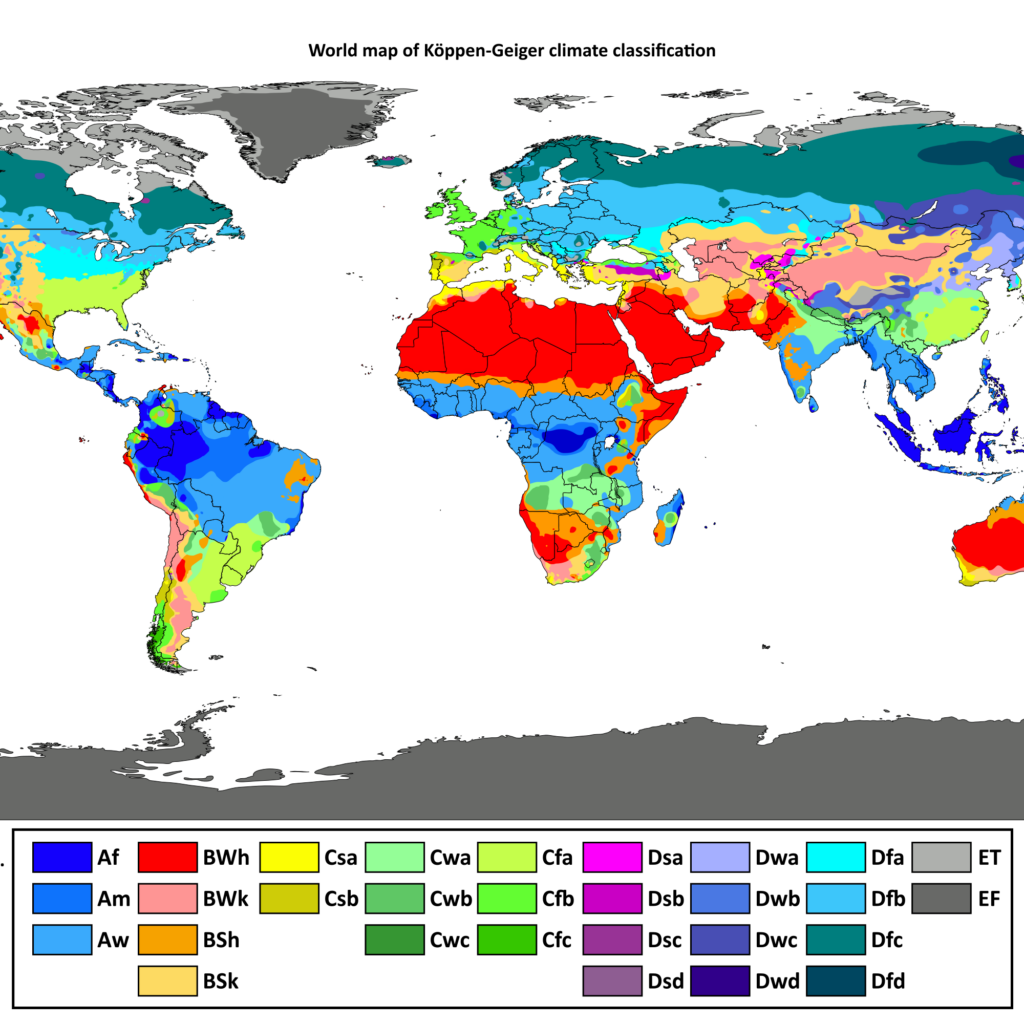
Visualizing Climate Zones and Their Significance
Climate zones provide a tangible way to understand the diversity of Earth’s climates, ranging from tropical to polar regions. Educational resources often use maps and graphics to depict these zones, helping individuals relate climate model outputs to their local environments. This visualization encourages people to consider how shifts in temperature and precipitation patterns might transform familiar landscapes and ecosystems.
Bridging the Gap: Simplifying Complex Climate Science
One of the main challenges in climate modeling communication is the specialized terminology that can alienate non-experts. Terms like “coupled atmosphere-ocean models” or “radiative forcing” may seem daunting. To foster broader understanding, it is essential to translate these technical phrases into everyday language without compromising the accuracy of the information. This approach helps demystify climate science and highlights its relevance to daily life.
Educational Initiatives and Public Engagement
Education plays a vital role in making climate modeling accessible. Interactive workshops and programs that introduce fundamental climate science concepts to diverse audiences can empower individuals. For example, activities that allow participants to manipulate real-time climate data or simulate different environmental scenarios promote active learning and personal investment in climate issues.
- Experiential Learning:
Hands-on experiences with climate data foster deeper comprehension and stimulate community discussions about climate challenges. - Community Dialogue:
Facilitating conversations around climate science encourages shared responsibility and collective action.
Technology as a Tool for Climate Literacy
The rise of digital platforms and applications has revolutionized access to climate information. These tools convert complex datasets into user-friendly visualizations, enabling individuals to explore potential climate impacts such as changes in agriculture or water resources. By interacting with these resources, users gain a more concrete understanding of climate projections and their implications.
Encouraging Critical Thinking and Collaborative Science
Promoting analytical skills is crucial for nurturing an informed public. Encouraging people to question data sources, evaluate modeling methods, and interpret results critically helps build a culture of inquiry. Moreover, integrating local knowledge and observations into climate research can enrich models and foster collaboration between scientists and communities.
Climate Modeling’s Role in Policy and Community Resilience
Beyond academic research, climate models influence policy decisions and strategies for adapting to climate change. Local governments increasingly recognize the value of incorporating citizen input into planning processes. By acknowledging lived experiences and community insights, policymakers can develop more effective and inclusive resilience measures.
The Importance of Democratizing Climate Science
Making climate modeling accessible is essential for cultivating a society that is both informed and proactive in addressing climate change. When complex scientific tools are translated into relatable knowledge, individuals and communities are better equipped to participate in decision-making and stewardship efforts. This democratization fosters a collaborative environment where science and society work hand in hand to confront environmental challenges.
Conclusion: Toward Inclusive Climate Literacy
The endeavor to make climate modeling understandable and relevant to the public is both urgent and promising. By centering the experiences and perspectives of everyday people, climate science can transcend its traditional boundaries and become a shared resource for action. This inclusive approach paves the way for a resilient future where informed citizens contribute meaningfully to the global response against climate change.
FAQ
What is climate modeling?
Climate modeling is the use of mathematical representations of atmospheric, oceanic, and terrestrial processes to simulate and predict climate behavior and changes over time.
Why is it important to make climate modeling accessible to the public?
Making climate modeling accessible empowers individuals to understand climate change impacts, participate in informed discussions, and contribute to community resilience strategies.
What are numerical weather prediction models?
Numerical weather prediction models use mathematical simulations of atmospheric processes to forecast weather and climate trends based on historical and real-time data.
How can technology help in understanding climate models?
Technology helps by providing interactive platforms and visualization tools that simplify complex data, making it easier for non-experts to explore and understand climate scenarios.
What role can citizens play in climate modeling?
Citizens can contribute observations, share traditional knowledge, and engage in educational programs, thereby enhancing data quality and fostering collaborative climate science.





Leave a Reply