
Short Answer
Definition of Nuclear Reaction Yield
The yield in a nuclear reaction refers to the quantity of products generated as a consequence of the reaction. It is commonly expressed as a percentage or fraction of the theoretical maximum output achievable under ideal conditions. This measure can be quantified by counting the number of atoms or molecules produced or by evaluating the amount of energy released during the process. The yield is not a fixed value; it fluctuates depending on the specific nuclear reaction, the environmental conditions, and the initial reactants involved. Thus, yield serves as both a numerical indicator and a window into the fundamental processes occurring within nuclear transformations.
Relationship Between Yield and Energy in Nuclear Reactions
Yield is intimately connected to the energy dynamics of nuclear reactions. According to the law of conservation of energy, the total energy before and after a nuclear event must remain constant. Nuclear reactions typically liberate substantial energy, which originates from the nuclear binding energy-the energy that holds protons and neutrons together within the nucleus. This energy release is explained by Einstein’s mass-energy equivalence principle, encapsulated in the equation E = mc², where a small amount of mass is converted into a large amount of energy. The yield reflects how efficiently this mass-to-energy conversion occurs; a higher yield indicates a more complete reaction and a greater energy output, underscoring the effectiveness of the nuclear process.
Yield in Nuclear Fission
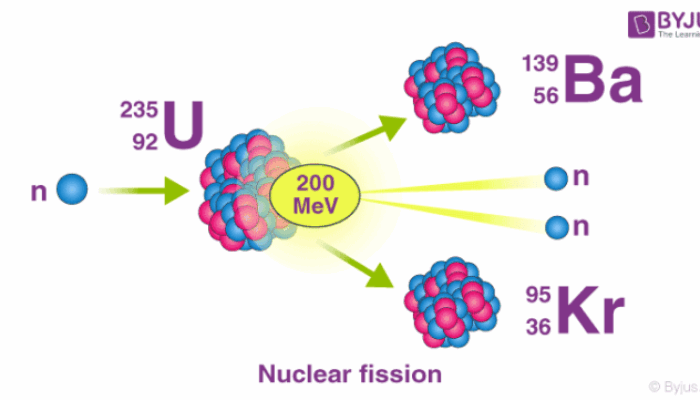
Nuclear fission involves the splitting of a heavy atomic nucleus into smaller fragments, accompanied by the release of energy. The yield in fission reactions can vary widely based on the fissile material used and the reaction conditions. Maximizing yield is a critical objective in both scientific research and practical applications such as nuclear power generation and weaponry. Several factors influence fission yield, including neutron flux (the intensity of neutron radiation), the type of moderator used to slow down neutrons, and the design of the nuclear reactor. Enhancing yield in fission translates to increased energy production for electricity or, alternatively, greater explosive power in nuclear arms.
Yield in Nuclear Fusion
Nuclear fusion is the process where lighter nuclei merge to form a heavier nucleus, releasing energy in the process. This reaction powers stars, including our Sun, and represents a potential source of nearly limitless clean energy on Earth. However, achieving a significant yield in controlled fusion reactions remains challenging due to the extreme conditions required-extremely high temperatures and pressures. Experimental fusion reactors strive to replicate these conditions to increase yield, but current yields are often low. Success in this area could revolutionize energy production, offering a sustainable and powerful alternative to fossil fuels.
Applications and Importance of Nuclear Reaction Yield
The concept of yield extends beyond theoretical physics and has practical significance in various scientific and technological fields:
- Nuclear Medicine:
The yield of radioisotopes directly impacts the quality and effectiveness of diagnostic imaging and therapeutic treatments. Optimizing isotope production yield is essential for advancing medical technologies. - Radiochemistry:
Understanding and controlling yield helps in the synthesis of specific nuclear materials and isotopes used in research and industry. - Astrophysics:
Yield data from stellar nuclear reactions inform models of stellar life cycles and nucleosynthesis, shedding light on how elements are formed and distributed throughout the universe.
Common Misconceptions About Nuclear Reaction Yield
Yield is only a simple numerical output.
While yield quantifies product formation, it also reveals insights into the efficiency and mechanisms of nuclear reactions.
Higher yield always means safer nuclear reactions.
A higher yield can mean more energy release, which may increase both beneficial outputs (like power) and risks (such as radiation hazards or explosive potential).
Why Understanding Nuclear Yield Is Crucial
Grasping the concept of yield in nuclear reactions is vital for advancing scientific knowledge and technological innovation. It bridges the gap between abstract nuclear physics principles and their tangible applications, from energy generation to medical treatments. Yield encapsulates the delicate interplay between matter and energy transformations, offering a deeper comprehension of atomic behavior. As humanity seeks sustainable energy solutions and improved medical technologies, mastering the factors that influence nuclear yield remains a pivotal challenge and opportunity.
FAQ
What is meant by the yield of a nuclear reaction?
It is the quantity of products formed or the amount of energy released during a nuclear reaction.
How does the yield affect nuclear reactor efficiency?
Higher yield indicates more complete reactions and greater energy output, improving reactor efficiency.
Why is achieving high yield in fusion challenging?
Fusion requires extreme temperature and pressure conditions, making it difficult to sustain reactions with significant yield.






Leave a Reply