
Short Answer
Definition of Diagnostic Imaging and Radiation
Diagnostic imaging encompasses a range of medical techniques used to visualize the internal structures of the body for clinical analysis and treatment planning. These methods often involve the use of radiation, particularly ionizing radiation, to generate detailed images that aid in diagnosing various health conditions.
- Ionizing Radiation:
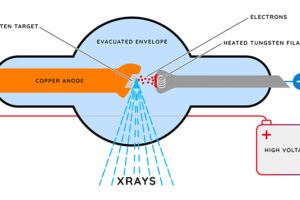
A form of energy that can remove tightly bound electrons from atoms, creating ions. It is commonly employed in X-rays and computed tomography (CT) scans to produce images of internal body parts. - Non-Ionizing Radiation:
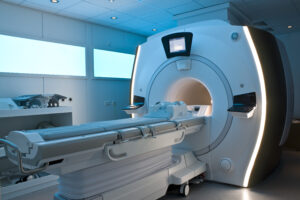
Radiation that does not carry enough energy to ionize atoms, such as magnetic fields used in magnetic resonance imaging (MRI), which provides detailed images without radiation exposure.
Role of Radiation in Medical Imaging
Radiation is integral to several diagnostic imaging modalities, especially those relying on ionizing radiation like X-rays and CT scans. These techniques have revolutionized medical diagnostics by enabling non-invasive visualization of bones, organs, and tissues. However, the exposure to ionizing radiation carries inherent risks, necessitating a careful balance between diagnostic benefits and potential harm to patients.
Technological Innovations in Imaging
Recent advancements in imaging technology have focused on reducing radiation exposure while preserving or enhancing image quality. Innovations such as low-dose CT protocols utilize sophisticated algorithms and image processing techniques to extract critical diagnostic information from lower radiation doses, thereby minimizing patient risk.
Additionally, hybrid imaging systems that combine modalities-like positron emission tomography (PET) with magnetic resonance imaging (MRI)-offer enhanced diagnostic precision by integrating the strengths of both ionizing and non-ionizing imaging methods. This fusion facilitates comprehensive assessments tailored to patient needs.
Regulatory Frameworks and Safety Measures
The regulatory environment governing diagnostic imaging has evolved significantly to prioritize patient safety. Modern regulations emphasize a risk-based approach, focusing on continuous monitoring and minimizing radiation doses during imaging procedures.
- ALARA Principle:
The “As Low As Reasonably Achievable” guideline encourages healthcare providers to limit radiation exposure to the minimum necessary to achieve diagnostic objectives. - Quality Assurance Protocols:
Regular equipment calibration, dose audits, and adherence to referral guidelines ensure consistent compliance with safety standards.
These measures collectively enhance patient protection by reducing unnecessary radiation exposure and maintaining high-quality imaging practices.
Public Perception and Misconceptions
Despite technological and regulatory progress, public understanding of radiation risks in diagnostic imaging remains mixed. Misconceptions often lead to undue fear, overshadowing the critical role imaging plays in timely diagnosis and treatment.
- Misconception: All radiation exposure from medical imaging is highly dangerous.
Correction: While ionizing radiation carries some risk, the doses used in diagnostic imaging are carefully controlled and generally low, with benefits outweighing potential harms in most clinical scenarios. - Misconception: Avoiding imaging procedures eliminates all radiation risk.
Correction: Foregoing necessary imaging can delay diagnosis and treatment, potentially leading to worse health outcomes than the minimal radiation risk posed by the procedure.
Emerging Trends and Future Directions
Looking toward 2025 and beyond, the integration of artificial intelligence (AI) into diagnostic imaging promises to further reduce radiation exposure while enhancing diagnostic accuracy. AI algorithms can analyze complex imaging data efficiently, detect abnormalities with greater precision, and optimize imaging protocols to use the lowest effective radiation dose.
Moreover, ongoing research and development aim to refine hybrid imaging techniques and develop novel modalities that prioritize patient safety without compromising diagnostic capabilities.
Ethical Considerations in Radiation Use
Ethical deliberations are paramount in balancing technological advancements with patient welfare. Transparent communication about the risks and benefits of imaging procedures fosters trust and supports informed decision-making between healthcare providers and patients.
Healthcare stakeholders, including policymakers and practitioners, must uphold ethical standards by ensuring that radiation use in diagnostics is justified, optimized, and accompanied by patient education to promote accountability and improved health outcomes.
Importance of Diagnostic Imaging in Healthcare
Diagnostic imaging remains a cornerstone of modern medicine, enabling early detection, accurate diagnosis, and effective treatment planning for a wide array of medical conditions. The continuous evolution of imaging technologies and regulatory practices underscores the commitment to maximizing patient safety while harnessing the invaluable insights these tools provide.
Ensuring the safe use of radiation in diagnostic imaging is a collective responsibility that advances the quality of healthcare and supports better patient outcomes worldwide.
FAQ
What is diagnostic imaging?
Diagnostic imaging refers to medical techniques used to visualize the internal structures of the body for clinical analysis and treatment planning.
What types of radiation are used in diagnostic imaging?
Ionizing radiation is commonly used in X-rays and CT scans, while non-ionizing radiation is used in MRI.
What is the ALARA principle?
The ALARA principle stands for ‘As Low As Reasonably Achievable,’ encouraging healthcare providers to limit radiation exposure to the minimum necessary.
How can AI improve diagnostic imaging?
AI can help reduce radiation exposure and enhance diagnostic accuracy by analyzing complex imaging data and optimizing protocols.



Leave a Reply