

Short Answer
Definition of PET Imaging in Radiotherapy
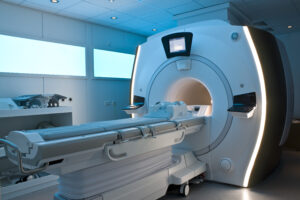
Positron Emission Tomography (PET) imaging is a sophisticated diagnostic technique that provides detailed metabolic and functional information about tumors. Unlike conventional imaging methods that focus primarily on anatomical structures, PET reveals the biochemical activity within tissues, making it an essential component in the planning and management of radiotherapy for cancer patients.
Metabolic Visualization and Tumor Characterization
At the core of PET imaging is its ability to detect radiotracers, most commonly fluorodeoxyglucose (FDG), which accumulates in metabolically active cells. This feature allows PET to highlight areas of increased cellular metabolism, often indicative of malignant growth. By capturing these metabolic patterns, PET scans offer insights into tumor heterogeneity, revealing variations in cellular activity that are not apparent through structural imaging alone.
Tumor Heterogeneity and Its Clinical Significance
Tumors exhibit significant diversity not only in their physical form but also in their biological behavior, including differences in metabolism, growth rates, and oxygenation levels. Traditional imaging techniques may fail to detect these variations, potentially leading to less effective treatment plans. Incorporating PET imaging enables clinicians to pinpoint aggressive tumor regions that may require intensified radiation doses, thereby optimizing therapeutic precision.
Enhancing Radiotherapy Planning with PET
Integrating PET scans into radiotherapy planning improves the accuracy of tumor boundary identification. Precise delineation of tumor margins is critical to ensure that radiation targets malignant cells effectively while sparing healthy surrounding tissues. PET’s ability to identify metabolic “hot spots” guides oncologists in customizing radiation doses, reducing the risk of collateral damage and enhancing treatment safety.
Monitoring Treatment Response Through PET
Repeated PET imaging during the course of radiotherapy allows for real-time assessment of tumor response by tracking changes in metabolic activity. This dynamic monitoring helps detect non-responsive tumor areas early, enabling timely adjustments to treatment protocols such as dose modification or alternative therapies. This approach supports the principles of personalized medicine, tailoring interventions based on individual patient responses.
Influence of PET on Radiotherapy Technique Selection
Data derived from PET scans assist clinicians in choosing the most appropriate radiotherapy methods, such as intensity-modulated radiation therapy (IMRT) or stereotactic body radiotherapy (SBRT). Understanding the tumor’s metabolic profile and spatial distribution informs these decisions, ensuring that the selected technique aligns with the tumor’s biological characteristics for maximum efficacy.
Psychological Impact of PET Imaging on Patients
Beyond its clinical utility, PET imaging plays a significant role in patient psychological well-being. The detailed metabolic information provided by PET can alleviate patient anxiety by offering clear evidence of tumor status and treatment progress. This transparency fosters trust between patients and healthcare providers, enhancing emotional resilience throughout the cancer treatment journey.
Challenges and Considerations in PET Integration
- Cost and Accessibility:
Despite its diagnostic advantages, PET imaging is often expensive and may not be readily available in all healthcare settings, potentially limiting patient access and contributing to disparities in care. - Expertise Required:
Accurate interpretation of PET results demands specialized knowledge and collaboration among multidisciplinary teams to fully leverage its benefits in treatment planning.
Why PET Imaging is Crucial in Modern Oncology
The incorporation of PET imaging into radiotherapy planning represents a paradigm shift from purely anatomical assessment to a more comprehensive evaluation of tumor biology. By revealing metabolic complexities, PET enhances the precision of cancer treatment, supports adaptive therapeutic strategies, and ultimately improves patient outcomes. As oncology advances, the integration of functional imaging like PET will remain a cornerstone of personalized, effective cancer care worldwide.
FAQ
What is PET imaging?
PET imaging is a nuclear medicine technique that uses radiolabeled tracers to visualize metabolic and functional processes within the body, often used to detect cancerous activity.
How does PET imaging improve radiotherapy planning?
PET imaging enhances radiotherapy planning by providing metabolic information that helps accurately delineate tumors, identify aggressive regions, and monitor treatment response, allowing for tailored radiation doses.
What are the limitations of PET imaging in radiotherapy planning?
Limitations include high costs, limited accessibility, and the need for specialized expertise to interpret the scans accurately, which may affect its widespread clinical use.
Can PET imaging be used to monitor the effectiveness of radiotherapy?
Yes, PET imaging allows for repeated assessment of tumor metabolic activity during treatment, enabling early detection of non-response and adaptation of therapeutic strategies.
What is the most common tracer used in PET imaging for cancer?
Fluorodeoxyglucose (FDG) is the most commonly used radiolabeled tracer in PET imaging to visualize metabolically active cancer cells.



Leave a Reply