
Short Answer
Definition of Integrating Meters
Integrating meters are specialized measurement devices designed to accumulate and display the total amount of a particular variable over a set period. Unlike conventional meters that provide instantaneous readings, these instruments aggregate data continuously, offering a comprehensive overview of the measured quantity. This capability makes them indispensable in fields such as electrical engineering, fluid dynamics, and environmental science, where understanding cumulative values is crucial.
- Purpose:
To measure the integral or total quantity of a variable over time rather than just momentary values. - Variables Measured:
Commonly include electrical current, voltage, fluid flow, mass, and environmental parameters. - Significance:
They reveal trends and cumulative effects that instantaneous measurements cannot capture.
Categories of Integrating Instruments
Integrating meters can be broadly divided into two main types based on their operational approach:
- Direct Integrators:
These devices perform real-time integration of the input signal, continuously calculating the total quantity as the measurement progresses. - Indirect Integrators:
These systems store measurement data over time and compute the integral afterward, offering flexibility for post-processing and analysis.
Varieties of Integrating Meters
Electronic Integrators
Electronic integrating meters employ digital circuitry and sophisticated algorithms to instantly compute cumulative values. They are prevalent in electrical applications, such as energy meters that calculate total power consumption in kilowatt-hours (kWh). Their precision and speed make them ideal for modern energy management systems.
Mechanical Integrators
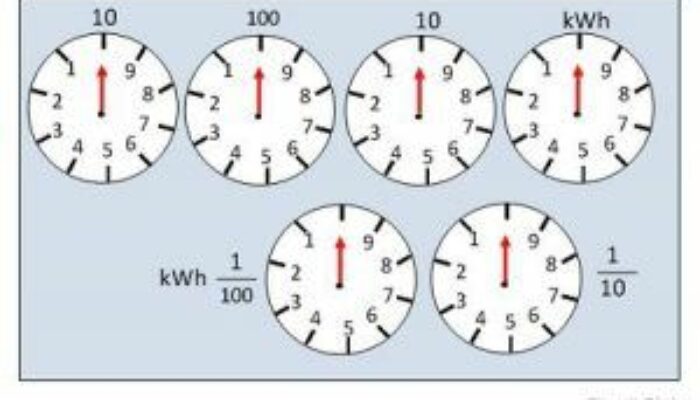
Mechanical integrating meters rely on physical components like gears, dials, and rotating mechanisms to represent accumulated measurements visually. Although their use has diminished with the rise of digital technology, they remain relevant in certain industrial environments and historical contexts where direct visual feedback is preferred or required.
Flow Integrators
Flow integrators specialize in measuring the total volume or mass of fluids passing through a point over time. These instruments are critical in sectors such as water resource management, oil and gas production, and chemical processing, where monitoring total fluid throughput is essential for operational efficiency and safety.
Principles Behind Integrating Meters
The fundamental concept underlying integrating meters is the mathematical operation of integration, which sums a variable’s values over time to yield a total quantity. This principle is deeply rooted in physics and mathematics, linking the devices to broader scientific theories. By continuously aggregating data, integrating meters transform transient signals into meaningful cumulative information.
For example, an electrical energy meter does not merely show the instantaneous power usage but accumulates energy consumption over hours or days, enabling detailed analysis of efficiency and sustainability.
Applications Across Industries
Industrial Energy Management
In manufacturing and industrial facilities, integrating meters are vital for tracking energy consumption patterns. They help identify inefficiencies, optimize resource use, and support sustainability goals by providing detailed insights into total energy usage over time.
Environmental Monitoring
Environmental scientists use integrating meters to monitor long-term changes in pollutant concentrations, water quality, and atmospheric conditions. These measurements inform policy decisions and environmental protection strategies by offering a cumulative perspective on ecological health.
Renewable Energy Systems
Integrating meters are essential in renewable energy installations, such as solar and wind power systems, where they measure total energy output. This data is crucial for evaluating system performance, planning maintenance, and advancing sustainable energy technologies.
Technological Advancements and Future Trends
Emerging technologies are set to enhance the capabilities of integrating meters significantly. Innovations in sensor design, data processing, and wireless communication are enabling more accurate, real-time integration and remote monitoring. The integration of these meters with the Internet of Things (IoT) ecosystem promises to revolutionize data collection and analysis, facilitating instantaneous feedback and smarter decision-making across diverse applications.
Common Misconceptions About Integrating Meters
Integrating meters only provide average values.
They accumulate total quantities over time, not just averages, offering a complete picture of the measured variable.
Mechanical integrators are obsolete.
While less common, mechanical integrators remain useful in specific industrial and historical contexts where digital solutions are impractical.
Importance of Integrating Meters
Integrating meters play a crucial role in bridging theoretical science and practical applications by converting instantaneous measurements into aggregated data. This transformation is vital for energy management, environmental stewardship, and industrial process optimization. As data-driven decision-making becomes increasingly central to technological progress and sustainability efforts, the relevance of integrating meters continues to grow, underscoring their indispensable contribution to modern science and industry.
FAQ
What is the main purpose of integrating meters?
To measure the total quantity of a variable over a period of time.
How do electronic integrating meters differ from mechanical ones?
Electronic meters use digital technology for real-time calculations, while mechanical meters rely on physical components.



Leave a Reply