

Short Answer
Definition of a Medical Physicist Pursuing a PhD in Radiology
A medical physicist is a professional who applies the principles of physics to medicine, particularly in areas involving imaging and radiation therapy. When such a specialist decides to undertake doctoral studies in radiology, they engage in advanced research and education focused on the technologies and biological effects related to medical imaging and radiation treatments. This academic pursuit enhances their expertise and contributes to innovations in radiological science.
Educational Prerequisites and Foundational Knowledge
To embark on a PhD in radiology, a medical physicist must possess a strong academic background, typically including a Master’s degree in medical physics, physics, or a related discipline. This educational foundation ensures proficiency in essential topics such as radiation safety protocols, imaging methodologies, and the biological impact of radiation exposure. Additionally, a solid grasp of mathematics and computational techniques is crucial for conducting sophisticated research in radiology.
Specialization Areas Within Radiology
Radiology encompasses a broad spectrum of subfields, each offering unique research opportunities:
- Diagnostic Imaging:
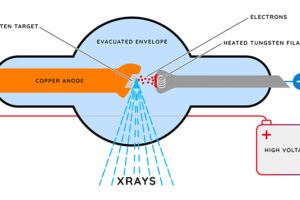
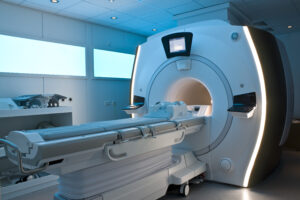
Focuses on techniques like X-rays, MRI, and CT scans to visualize internal body structures. - Interventional Radiology:
Involves minimally invasive procedures guided by imaging technologies. - Nuclear Medicine:
Utilizes radioactive substances for diagnosis and treatment.
Medical physicists can leverage their physics expertise to innovate in these areas, improving imaging accuracy and developing new therapeutic methods.
Application Process and Academic Integration
Admission into a radiology PhD program is competitive and requires a comprehensive application package, including letters of recommendation, a detailed statement of purpose, and sometimes standardized test scores such as the GRE. Once admitted, students engage in advanced coursework covering imaging modalities, radiobiology, and emerging diagnostic technologies. The curriculum often integrates contemporary topics like machine learning and artificial intelligence, which are transforming radiological research and practice.
Research Focus and Methodological Approach
The core of doctoral studies lies in research, where medical physicists apply their dual understanding of biological systems and physical principles. This interdisciplinary approach enhances the quality and innovation of research projects, often involving the development of improved image reconstruction algorithms or predictive models for patient outcomes. Collaboration with faculty mentors and peers further refines research goals and methodologies.
Academic Contributions and Dissemination
Publishing research findings in peer-reviewed journals and presenting at scientific conferences are vital components of the PhD journey. These activities not only disseminate new knowledge but also establish the researcher’s credibility within the academic and clinical communities. Such contributions can influence clinical protocols and inspire future investigations in radiology.
Dissertation and Original Research
The culmination of the PhD program is the dissertation, a comprehensive document that presents original research and demonstrates the candidate’s ability to synthesize complex information and articulate coherent arguments. For medical physicists, this often involves pioneering applications of physics in radiological techniques, potentially impacting clinical practices and patient care standards.
Career Prospects After Earning a PhD in Radiology
Graduates who transition from medical physics to a PhD in radiology are uniquely positioned for diverse career paths, including:
- Academic Roles:
Teaching and conducting research at universities. - Industry Positions:
Developing new imaging technologies and radiological equipment. - Clinical Applications:
Enhancing patient care through improved diagnostic and therapeutic methods. - Consultancy:
Advising healthcare organizations on radiological practices and safety.
This interdisciplinary expertise fosters leadership in advancing radiological sciences and healthcare innovation.
Significance of Pursuing a PhD in Radiology for Medical Physicists
The pursuit of a doctoral degree in radiology by medical physicists represents more than academic advancement; it is an evolution in perspective that merges analytical physics with medical challenges. This fusion drives innovation in medical imaging and treatment, offering the potential to revolutionize healthcare delivery. For those passionate about this interdisciplinary field, the journey promises both personal growth and the opportunity to make meaningful contributions to medical science.
Common Misconceptions About Medical Physicists in Radiology PhD Programs
Medical physicists lack the biological knowledge necessary for radiology research.
Medical physicists acquire substantial understanding of biological effects of radiation and imaging, enabling effective interdisciplinary research.
A PhD in radiology is only for medical doctors.
PhD programs in radiology welcome candidates from diverse scientific backgrounds, including medical physics, emphasizing research skills over clinical degrees.
FAQ
What educational background is needed to pursue a PhD in radiology as a medical physicist?
A Master's degree in medical physics, physics, or a closely related field is typically required.
Are there specific research topics recommended for medical physicists in radiology?
Yes, topics include imaging technology advancements, radiation safety, radiobiology, and the application of AI and machine learning.
How important is networking during the PhD application process?
Networking is crucial for mentorship, research opportunities, and gaining insights into specific PhD programs.
What is the outcome of completing a PhD in radiology for medical physicists?
Graduates gain specialized skills to contribute to academic research, clinical practices, and technological innovations in radiology.




Leave a Reply