
Short Answer
Understanding the Concept of Life at the Atomic Scale
The idea of life existing at the level of atoms invites profound contemplation about the fundamental nature of existence, especially when examined through the lens of evolutionary biology. If atoms were endowed with consciousness or sentience, this could revolutionize our interpretation of evolutionary dynamics. Exploring this hypothetical scenario allows us to reconsider the mechanisms underlying evolution and the role of matter in the emergence of life.
Atoms as the Foundation of Biological Evolution
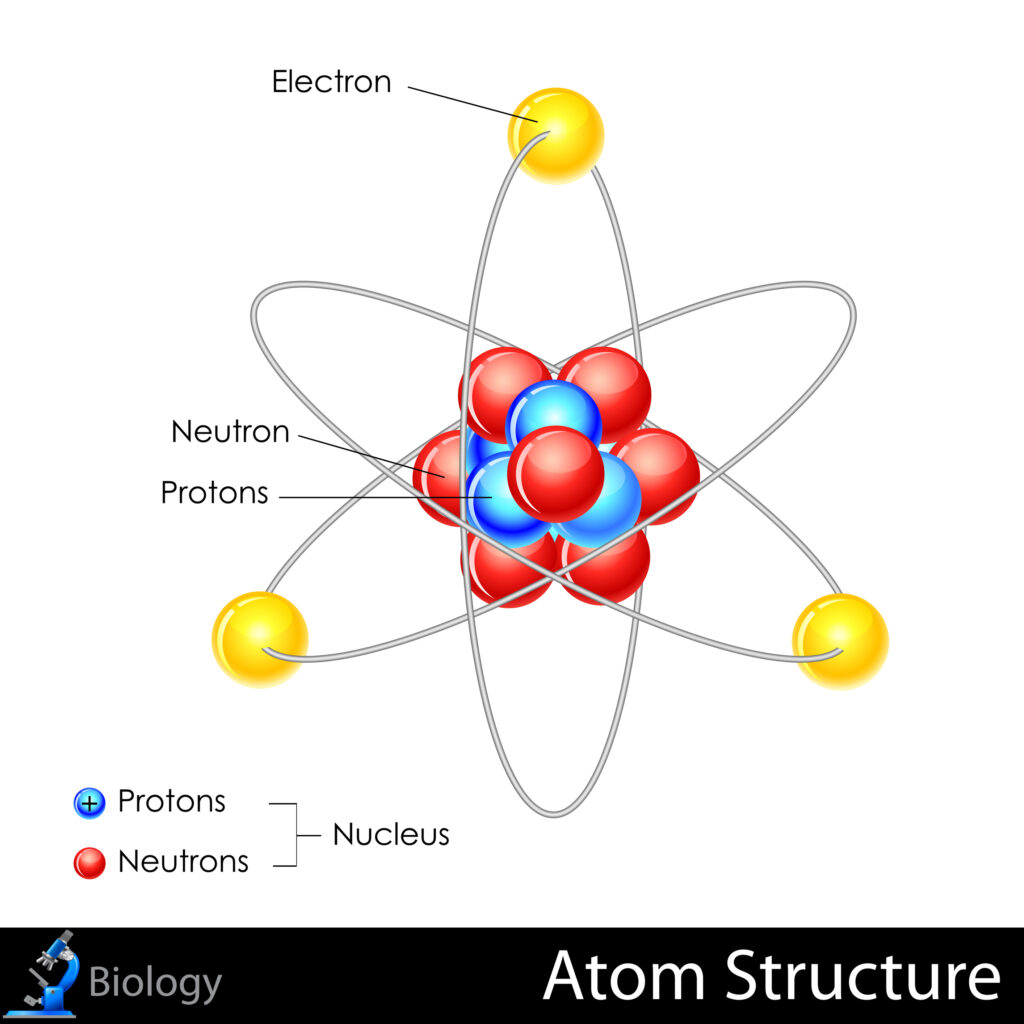
Atoms constitute the most basic units of matter and form the essential components of all living organisms. These atoms combine to create molecules, which in turn assemble into cells-the fundamental units of life. The interactions among atoms give rise to complex biological structures capable of exhibiting key life processes such as metabolism, reproduction, and responsiveness to environmental stimuli. Traditionally, these atomic interactions are viewed as deterministic, governed by physical laws without any form of agency or consciousness. Introducing the notion that atoms might possess a form of awareness challenges this deterministic framework and opens new avenues for understanding evolutionary phenomena.
Reimagining Evolution Through the Lens of Conscious Atoms
Evolution is often mistakenly perceived as a straightforward, linear progression. In reality, it is a complex, dynamic interplay involving genetic diversity, environmental influences, and natural selection. If atoms were conscious participants in this process, they might interact with their surroundings in a more adaptive and responsive manner, effectively “communicating” with their environment. This perspective encourages us to rethink adaptation and resilience, suggesting that evolutionary change could involve a more interactive and participatory process at the molecular level.
Co-evolution and Atomic Awareness
Co-evolution describes the reciprocal evolutionary influence between two or more species. Extending this concept to the atomic scale, if atoms were sentient, they might selectively form partnerships with other atoms or molecules, actively shaping their evolutionary paths. This would transform co-evolution from a passive response to environmental pressures into an active negotiation among atomic entities, potentially enhancing survival and reproductive success. Such a viewpoint invites reconsideration of molecular agency and its impact on evolutionary timelines.
Symbiosis at the Molecular Level
Symbiotic relationships, where different organisms live in close association for mutual benefit, are key drivers of biological innovation and diversity. Imagining atoms as conscious agents capable of forming symbiotic bonds suggests the possibility of molecular cooperation that enhances biological function. This could lead to the development of molecular machines that operate through collective decision-making, informed by shared experiences. Such cooperation at the atomic level could provide a richer understanding of how diversity and complexity arise in living systems.
The Principle of Emergence and Conscious Atomic Interactions
Emergence refers to the phenomenon where complex systems and patterns arise from simple interactions. The assembly of atoms into molecules and cells exemplifies this principle. If atoms were conscious, their collective interactions might produce novel evolutionary outcomes that defy traditional expectations. This could explain the unpredictability and innovation observed in evolutionary history, offering a fresh perspective on how complexity evolves from simplicity.
Temporal Dynamics and Adaptive Potential of Conscious Atoms
Evolution is characterized by gradual changes over time, yet environmental shifts can occur rapidly, challenging the adaptability of organisms. If atoms possessed awareness of impending environmental changes, they might facilitate more proactive adaptations. This anticipatory capacity could enhance resilience during periods of stress, influencing the rate and direction of evolutionary change. Such a concept deepens our understanding of how biological systems cope with vulnerability and maintain stability.
Implications Beyond Evolution: Memory and Epigenetics
The hypothesis that atoms could retain experiences introduces parallels with epigenetics, where environmental factors influence heritable traits without altering DNA sequences. Conscious atoms might contribute an additional layer of experiential memory, affecting future molecular interactions and potentially accelerating evolutionary complexity. This idea bridges molecular biology with philosophical inquiries into consciousness and memory, although it remains speculative.
Scientific Perspective and Cautions Against Anthropomorphism
While attributing consciousness to atoms can enrich conceptual discussions, it is essential to recognize the limitations of this analogy. Current scientific frameworks, grounded in quantum mechanics and thermodynamics, describe atomic behavior as governed by energy and physical forces without intentionality. Anthropomorphizing atoms risks misrepresenting scientific facts and may lead to misunderstandings about the nature of matter and evolution. Nonetheless, this imaginative exploration stimulates curiosity about the interconnectedness of all matter and the processes that drive life.
Conclusion: A New Paradigm for Evolutionary Thought
Speculating that atoms possess life and awareness invites a transformative reexamination of evolutionary biology. This perspective emphasizes relational and participatory aspects of existence, potentially enriching our understanding of life’s complexity. Although the idea of conscious atoms remains hypothetical, it serves as a compelling thought experiment that challenges conventional views and encourages deeper inquiry into the mysteries of life, evolution, and the universe.
Frequently Asked Questions (FAQ)
What would it mean if atoms were considered alive?
Considering atoms as alive implies they have some form of consciousness or sentience, which could fundamentally change our understanding of matter and biological processes such as evolution.
In what ways could conscious atoms influence evolutionary theory?
If atoms were conscious, they might exhibit agency and decision-making at the atomic level, potentially affecting adaptation, co-evolution, and the emergence of complex life forms in ways that challenge traditional deterministic models.
Is the concept of conscious atoms supported by current science?
No, this idea is speculative and not supported by contemporary scientific knowledge, which explains atomic behavior through quantum mechanics and thermodynamics without attributing consciousness or intentionality.
What are the risks of attributing human-like qualities to atoms?
Anthropomorphizing atoms can lead to misconceptions by assigning human characteristics to entities that operate strictly under physical laws, potentially distorting scientific understanding.
Could the idea of conscious atoms impact other scientific fields?
Yes, if atoms had memory or sentience, it could influence areas such as epigenetics, molecular biology, and the philosophy of consciousness, though these implications remain speculative.
FAQ
What does it mean if atoms were alive?
If atoms were alive, it would imply they possess some form of consciousness or sentience, which could fundamentally alter how we understand matter and biological processes such as evolution.
How could conscious atoms affect evolutionary theory?
Conscious atoms could introduce agency and decision-making at the atomic level, potentially influencing adaptation, co-evolution, and the emergence of complex life in ways that challenge traditional deterministic models.
Is the idea of conscious atoms scientifically accepted?
No, the concept is speculative and not supported by current scientific understanding, which explains atomic behavior through quantum mechanics and thermodynamics without intentionality or consciousness.
What is the risk of anthropomorphizing atoms?
Anthropomorphizing atoms may lead to misconceptions by attributing human-like qualities to entities that operate under physical laws without awareness, potentially misleading interpretations of scientific phenomena.
Can this idea impact other fields besides evolution?
Yes, if atoms had memory or sentience, it could have implications for fields like epigenetics, molecular biology, and philosophy of consciousness, although these remain speculative areas.






Leave a Reply