
Short Answer
Definition of DNA Nanostructures
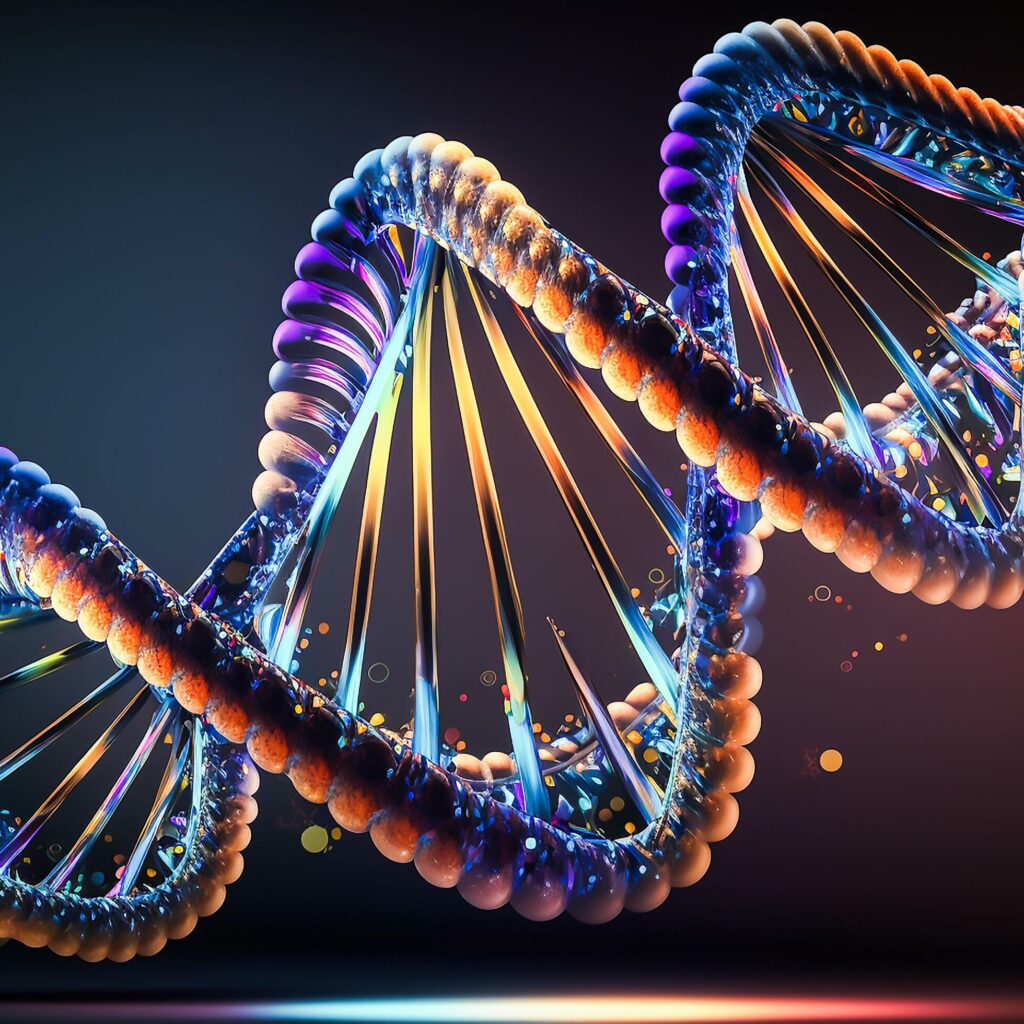
DNA nanostructures refer to engineered assemblies of DNA molecules designed to form precise, nanoscale shapes and devices. Beyond its classical role as the genetic material, DNA serves as a versatile building block in nanotechnology, enabling the construction of complex architectures with applications spanning biotechnology, materials science, and medicine.
- DNA as a Building Material:
The predictable base-pairing rules of DNA allow for the design of self-assembling structures with nanoscale precision. - Applications:
These structures are utilized in drug delivery, biosensing, molecular machines, and hybrid materials.
Fundamental Principles Behind DNA Nanostructure Assembly
The foundation of DNA nanostructure fabrication lies in the molecule’s inherent ability to self-assemble through Watson-Crick base pairing. Complementary strands of DNA selectively bind to each other, enabling the design of sequences that fold or assemble into predetermined shapes without external guidance.
- Self-Assembly:
DNA strands spontaneously organize into complex configurations based on sequence complementarity. - Precision Engineering:
By programming the nucleotide sequences, researchers can dictate the final geometry and functionality of the nanostructure.
Key Techniques in DNA Nanostructure Fabrication
DNA Origami
DNA origami is a prominent method that involves folding a long single-stranded DNA scaffold into specific two- or three-dimensional shapes using numerous short “staple” strands. These staples bind to designated regions of the scaffold, guiding its folding into intricate patterns.
- Versatility:
Shapes can range from simple geometric forms to complex 3D objects such as flowers or polyhedra. - Customization:
Designs can be tailored for specific functions, including targeted drug delivery or molecular imaging.
Nanoparticle Assembly Using DNA Templates
DNA strands can act as templates to organize nanoparticles into ordered arrays. By functionalizing DNA with metallic or semiconductor nanoparticles, hybrid materials with enhanced electronic, optical, or catalytic properties can be created.
- Functionalization:
DNA sequences are modified to bind selectively to nanoparticles, enabling precise spatial arrangement. - Applications:
These hybrid materials are useful in sensing technologies and diagnostic devices.
DNA Nanomachines
DNA nanomachines are dynamic nanoscale devices constructed from DNA that mimic biological functions such as molecular transport or signal transduction. They operate through conformational changes triggered by environmental cues.
- Examples:
DNA walkers that move along DNA tracks and nanobots that respond to specific biomolecular signals. - Significance:
These devices offer potential for targeted therapeutics and provide insights into molecular mechanics.
Applications of DNA Nanostructures in Real-World Contexts
Targeted Drug Delivery
DNA nanocarriers can encapsulate therapeutic agents and release them selectively at disease sites. By decorating DNA structures with ligands that recognize tumor markers, drug delivery becomes more precise, reducing side effects and enhancing treatment efficacy.
Advanced Diagnostics
DNA-based biosensors exhibit remarkable sensitivity and specificity, enabling early detection of pathogens and biomarkers. Technologies such as DNA lateral flow assays facilitate rapid, point-of-care diagnostics, supporting personalized medicine approaches.
Challenges and Limitations in DNA Nanotechnology
- Scalability:
Producing DNA nanostructures on a commercial scale remains difficult due to the complexity and cost of synthesis. - Stability:
Environmental factors like temperature and pH can affect the integrity and functionality of DNA-based devices.
Interdisciplinary Collaboration and Ethical Considerations
Progress in DNA nanotechnology depends on the synergy between synthetic biology, nanotechnology, and materials science. Collaborative research accelerates innovation and bridges the gap between laboratory discoveries and practical applications. Concurrently, ethical frameworks must be developed to address concerns related to medical use and environmental impact.
Why DNA Nanostructures Are Transformative
The transition of DNA from a genetic blueprint to a programmable nanoscale toolkit marks a significant advancement in science and technology. DNA nanostructures enable the creation of novel materials and devices with applications in medicine, diagnostics, and beyond. Their programmability and biocompatibility position them as key components in the future of personalized healthcare and advanced material design.
FAQ
What are DNA nanostructures?
DNA nanostructures are engineered assemblies of DNA molecules designed to form precise nanoscale shapes and devices for applications in biotechnology, materials science, and medicine.
How does DNA origami work?
DNA origami involves folding a long single-stranded DNA scaffold into specific 2D or 3D shapes using short staple strands that bind to designated regions, guiding the folding process.
What are the main applications of DNA nanostructures?
Key applications include targeted drug delivery, advanced diagnostics through biosensing, molecular machines, and the creation of hybrid materials with enhanced properties.
What challenges does DNA nanotechnology face?
Challenges include scalability of production, stability of DNA devices under environmental conditions, and ethical considerations related to medical and environmental impacts.



Leave a Reply