
Short Answer
Understanding Sonic Invisibility in Carpets
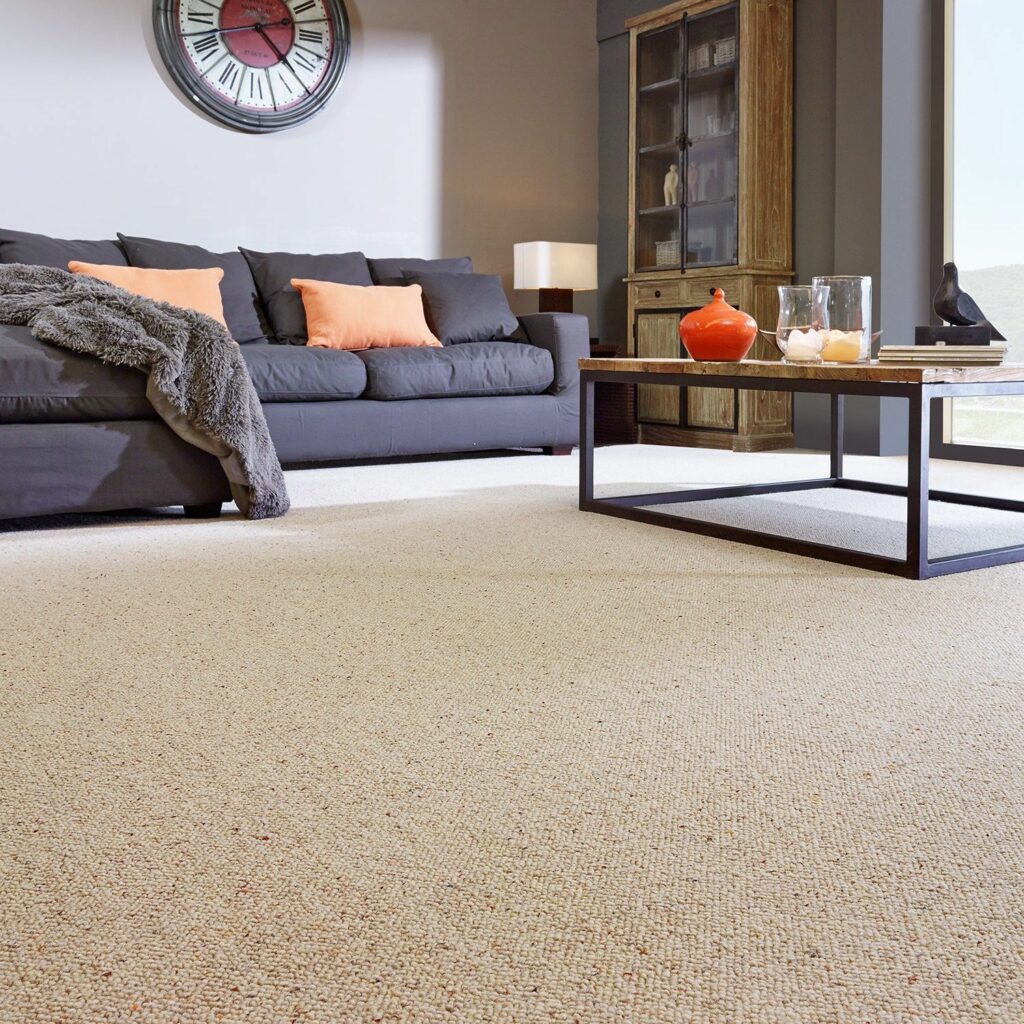
Carpets have long been a staple in both residential and architectural settings, valued for their warmth and aesthetic appeal. However, beyond their visual and tactile qualities, carpets play a crucial role in managing sound within indoor environments. This ability to absorb and diminish noise, often referred to as “sonic invisibility,” transforms spaces by creating peaceful, acoustically comfortable zones amidst the noise of everyday life. Exploring this concept reveals its significance in acoustics, interior design, and psychological well-being.
Definition and Principles of Sound Absorption
Sound absorption is the process by which materials reduce the intensity of sound waves by converting their energy into other forms, typically heat. Carpets, due to their fibrous and dense structure, are particularly effective at this. When sound waves encounter a carpeted surface, the fibers trap and dissipate the sound energy, reducing echoes and reverberations within a room.
- Sound Waves:
Mechanical vibrations that travel through air or other media, perceived as sound. - Absorption Mechanism:
Carpets convert sound wave energy into heat through viscous damping within their fibers. - Material Factors:
Thickness, density, and fiber composition influence a carpet’s sound-absorbing efficiency.
How Carpets Influence Acoustic Environments
The interaction between sound waves and carpeted surfaces significantly alters the acoustic profile of a space. High-pile, plush carpets tend to absorb more sound compared to thinner, low-pile varieties. By reducing sound reflections, carpets minimize background noise and echoes, which enhances auditory clarity and comfort. This acoustic modulation not only improves the quality of sound but also contributes to a quieter, more private environment.
Psychological Effects of Acoustic Comfort
The presence of carpets and their sound-absorbing properties have notable psychological benefits. Research in environmental psychology indicates that noisy surroundings can increase stress levels and impair concentration. Conversely, spaces with effective sound absorption promote mental calmness, focus, and creativity. In homes, carpets help create a sanctuary by muffling external disturbances, which is especially valuable in urban areas where ambient noise is prevalent.
Cultural Significance of Sound and Silence
Across different cultures, sound and silence carry deep symbolic meanings. Silence is often associated with wisdom, spirituality, and introspection. Many traditional architectural designs incorporate textiles and carpets to foster quiet, contemplative atmospheres in sacred spaces such as temples and mosques. This cultural heritage underscores a universal human desire to balance sound and silence, using materials like carpets to achieve sonic invisibility and tranquility.
Innovations in Carpet Technology for Acoustic Enhancement
Modern advancements in carpet manufacturing have expanded their role in sound management. Innovations include the development of sound-dampening underlays and the use of novel materials such as recycled fibers and bio-composites, which improve acoustic performance while supporting sustainability. The trend toward open-plan living has further driven the demand for carpets that combine aesthetic appeal with superior sound absorption, integrating seamlessly into soundscaping strategies that shape the auditory environment.
Scientific Exploration and Future Research Directions
Ongoing research into the acoustic properties of carpets aims to refine our understanding of their sound absorption coefficients and optimize their use in sound-sensitive settings like concert halls, studios, and classrooms. Interdisciplinary studies involving engineering, psychology, and design are paving the way for innovative architectural acoustics solutions. As urban density increases, the importance of effective sound mitigation through materials like carpets becomes even more critical to improving quality of life.
Practical Applications of Acoustic Carpets
Carpets are widely used in various real-world contexts to enhance sound quality and reduce noise pollution:
- Residential Spaces:
Creating quiet, comfortable living environments by absorbing household noise and external sounds. - Commercial Buildings:
Improving speech intelligibility and reducing ambient noise in offices, hotels, and conference rooms. - Public Venues:
Enhancing acoustics in theaters, museums, and places of worship through strategic carpet placement.
Common Misconceptions About Carpets and Sound
Carpets completely block sound.
Carpets absorb and reduce sound reflections but do not act as soundproof barriers.
All carpets have the same acoustic properties.
Acoustic effectiveness varies widely depending on carpet thickness, pile height, and material composition.
Importance of Sonic Invisibility in Modern Life
In an era dominated by constant noise pollution, the ability of carpets to create quieter, more serene environments is invaluable. This sonic invisibility not only enhances comfort and privacy but also supports mental health by reducing stress and improving focus. As urban living spaces become more compact and noisy, integrating carpets with advanced acoustic properties is essential for fostering well-being and improving the quality of indoor life.
Summary
Far beyond their decorative function, carpets serve as vital acoustic tools that absorb sound and foster tranquility. The concept of sonic invisibility encapsulates their role in transforming noisy environments into peaceful retreats. By bridging the fields of physics, psychology, culture, and design, carpets exemplify how thoughtful material choices can profoundly influence human experience through the subtle interplay of sound and silence.
FAQ
What is sonic invisibility?
Sonic invisibility refers to the ability of materials, like carpets, to absorb sound waves, reducing noise and creating quieter environments.
How do carpets absorb sound?
Carpets absorb sound by converting sound wave energy into heat through their fibrous structure, reducing echoes and reverberations.
What are the psychological benefits of sound absorption?
Effective sound absorption can lower stress levels, enhance focus, and promote creativity by creating a calm and quiet environment.



Leave a Reply