
Short Answer
Definition of the Cardboard Box Metaphor
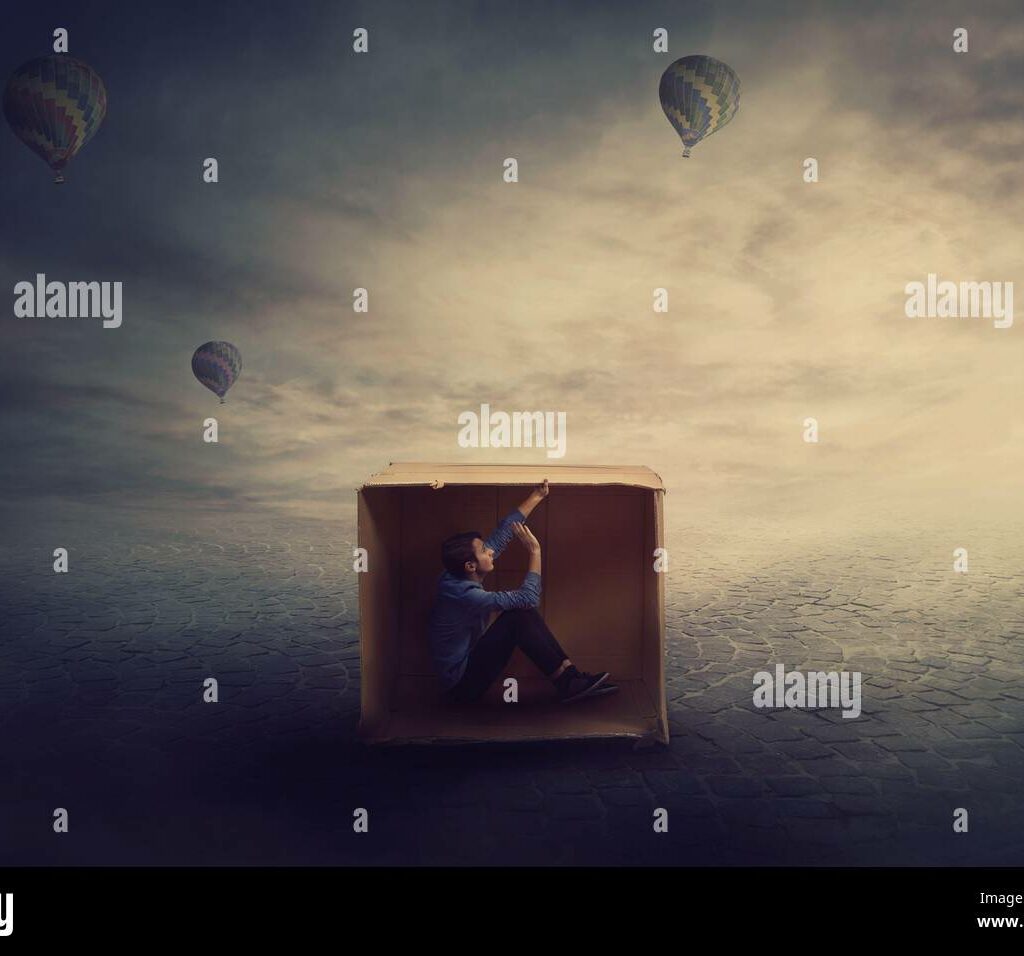
The image of being confined within a cardboard box serves as a powerful metaphor for various existential challenges faced by individuals. It vividly captures the sensation of restriction and limitation that many experience in life. This metaphor extends beyond the physical to symbolize psychological, social, and emotional barriers that inhibit personal growth and freedom.
- Symbolism:
The cardboard box represents societal pressures, internal fears, and self-imposed mental boundaries. - Emotional Context:
It reflects feelings of entrapment, helplessness, and the struggle to break free from constraints. - Existential Implications:
The metaphor highlights the universal human condition of grappling with limitations and the desire for liberation.
Understanding the Psychological Dimensions
At the core of this metaphor lies the recognition that the “box” is not merely a physical enclosure but a construct of the mind. The first step toward freedom is cultivating self-awareness-acknowledging the presence of these invisible walls. This awareness prompts introspection, encouraging individuals to examine the beliefs, fears, and narratives that sustain their sense of confinement.
Often, people become prisoners of their own perceptions, which distort reality and hinder progress. By identifying these mental barriers, one can begin to question their validity and explore alternative perspectives that open pathways to growth.
Strategies for Breaking Free
Escaping the metaphorical cardboard box involves a deliberate process of deconstruction and re-evaluation of one’s limitations. This includes:
- Critical Reflection:
Challenging ingrained fears and societal conditioning that reinforce feelings of entrapment. - Creative Problem-Solving:
Imagining new possibilities and solutions beyond the perceived boundaries. - Philosophical Inquiry:
Drawing on existentialist ideas that emphasize choice and self-overcoming as routes to freedom.
Philosophers such as Jean-Paul Sartre highlight the concept of “bad faith,” where individuals deceive themselves into believing they lack options, thus perpetuating their confinement. Friedrich Nietzsche’s notion of the “Übermensch” encourages transcending limitations through self-mastery and transformation.
Psychological Tools and Techniques
Modern psychological approaches, particularly cognitive behavioral therapy (CBT), offer practical methods to dismantle restrictive thought patterns. CBT focuses on identifying negative beliefs and reframing them to alter emotional responses, thereby reducing feelings of being trapped. Developing coping strategies grounded in logic and self-awareness empowers individuals to navigate life’s complexities with greater confidence.
Physical and Practical Perspectives on Escape
Beyond the mental and emotional realms, the metaphor can be extended to tangible actions. Examining the “structural integrity” of the box-both literally and figuratively-can reveal vulnerabilities and opportunities for escape. This might involve leveraging external resources such as knowledge, social support, or tools to create an exit strategy.
Combining intuition with pragmatic approaches enables individuals to break through barriers that once seemed insurmountable.
The Role of Social Connections
Human beings are inherently social, and the journey toward liberation is often facilitated by supportive relationships. Engaging with empathetic communities or like-minded individuals fosters an environment conducive to growth and exploration. Sharing personal struggles not only alleviates isolation but also builds collective narratives of freedom and resilience.
Humor as a Coping Mechanism
The absurdity of imagining oneself trapped in a cardboard box can evoke humor, which serves as a valuable psychological tool. Embracing laughter allows individuals to reframe their predicament, reducing stress and promoting a more optimistic outlook. Humor acts as a release valve, enabling people to approach challenges with renewed energy and flexibility.
Significance of the Metaphor in Personal Development
The metaphor of the cardboard box encapsulates the broader human quest for autonomy and self-realization. Escaping this confinement symbolizes not just physical freedom but a profound transformation involving self-examination, creative engagement, and social interaction. This process reveals hidden potentials and fosters a deeper understanding of one’s place in the world.
Summary: The Path to Liberation
Ultimately, breaking free from the metaphorical cardboard box is a multifaceted endeavor that requires courage, insight, and support. Recognizing that the box is a mental construct empowers individuals to challenge limiting beliefs and embrace new possibilities. Through creativity, philosophical reflection, psychological strategies, and social connection, liberation becomes an achievable and enriching journey. Life beyond the box is not only attainable but can be vibrant and fulfilling.
Frequently Asked Questions (FAQ)
What does being trapped in a cardboard box represent?
It symbolizes the experience of feeling confined by psychological, social, or emotional limitations that restrict personal freedom and growth.
How does self-awareness contribute to overcoming mental barriers?
Self-awareness helps individuals identify and understand their limiting beliefs and fears, enabling them to confront and dismantle these mental obstacles.
Which philosophical concepts relate to escaping constraints?
Existentialist ideas from thinkers like Jean-Paul Sartre and Friedrich Nietzsche emphasize freedom through conscious choice, rejecting self-deception, and self-overcoming.
Why is social support important in the process of liberation?
Social support offers encouragement, shared understanding, and collective strength, which are essential for personal growth and overcoming feelings of entrapment.
Can humor aid in managing difficult situations?
Yes, humor provides a psychological release that helps shift perspective, fostering resilience and a lighter approach to challenges.
FAQ
What does being trapped in a cardboard box symbolize?
It symbolizes feelings of entrapment, limitations, and constraints in life, often representing psychological, social, or emotional barriers.
How can self-awareness help in escaping mental entrapment?
Self-awareness allows individuals to recognize their limiting beliefs and fears, enabling them to challenge and overcome these mental barriers.
What philosophical ideas support the concept of freedom from constraints?
Philosophers like Jean-Paul Sartre and Friedrich Nietzsche discuss existential freedom through choice, self-overcoming, and rejecting self-deception.
What role does social support play in overcoming feelings of entrapment?
Social support provides encouragement, shared experiences, and collective strength, which can be crucial in facilitating personal liberation and growth.
Can humor help in dealing with difficult situations?
Yes, humor can act as a psychological release, offering a shift in perspective that fosters resilience and a more light-hearted approach to challenges.






Leave a Reply