
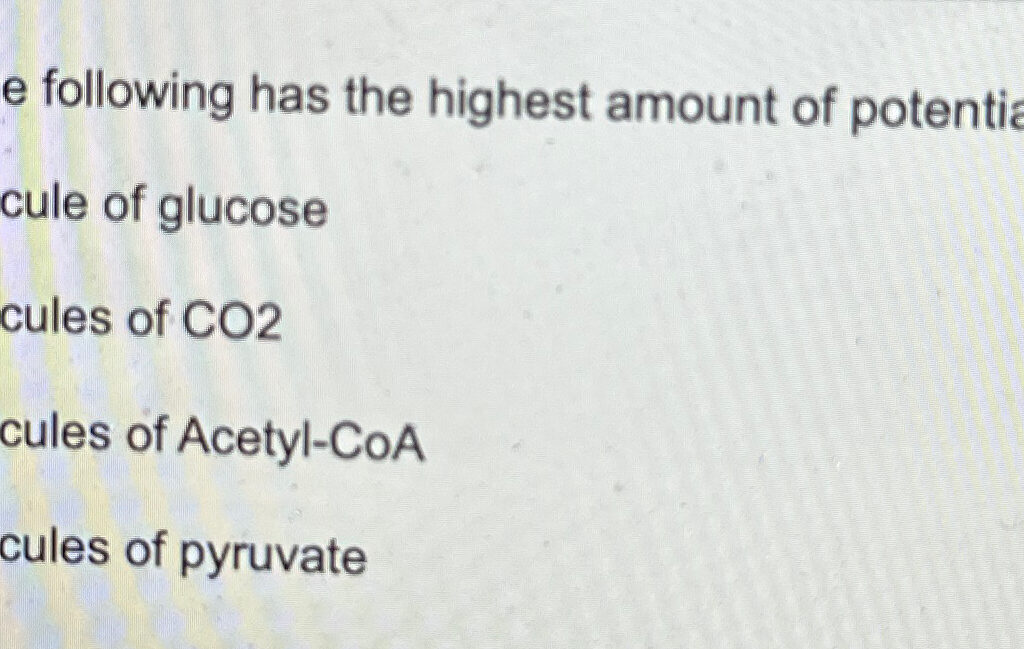
Short Answer
Definition of Molecular Energy Storage
Molecular energy storage refers to the capacity of molecules to retain and release energy through chemical bonds. This energy is stored in the form of potential energy within the molecular structure and can be liberated during chemical reactions, enabling work in biological, chemical, or physical systems. Understanding how molecules store energy is crucial for advancements in biochemistry, sustainable energy, and industrial applications.
- Chemical Bonds:
Energy is primarily stored in the bonds between atoms within a molecule. The breaking and forming of these bonds during reactions release or absorb energy. - Energy Density:
The amount of energy stored per unit mass or volume of a molecule, influenced by bond types and molecular structure. - Biological vs. Synthetic Molecules:
Both naturally occurring and man-made molecules can serve as energy reservoirs, each with distinct properties and applications.
Fundamental Principles of Energy Storage in Molecules
At the molecular level, energy storage hinges on the nature of chemical bonds and their thermodynamic properties. The energy contained within these bonds is a function of bond enthalpy and entropy, which dictate how much energy can be stored and released. Molecules with high-energy bonds, such as phosphate bonds in ATP, or long hydrocarbon chains in lipids, are particularly effective at storing energy.
- Bond Enthalpy:
The heat required to break a bond; higher bond enthalpy often correlates with greater energy storage potential. - Bond Entropy:
The disorder associated with bond formation and breaking, influencing the spontaneity of energy release. - Energy Transfer:
Stored energy is harnessed when bonds are broken, powering biological functions or industrial processes.
Key Biological Molecules for Energy Storage
Adenosine Triphosphate (ATP)
ATP is widely recognized as the primary energy carrier in living cells. It consists of an adenosine molecule linked to three phosphate groups, with the bonds between these phosphates classified as high-energy. Hydrolysis of ATP releases energy that fuels numerous cellular activities, making it indispensable for life. However, ATP’s energy content is optimized for short-term use rather than long-term storage.
Glucose
Glucose, a six-carbon sugar, serves as a fundamental energy source for many organisms. Its structure, rich in hydroxyl groups, allows it to undergo complex metabolic pathways such as cellular respiration. Through this process, glucose is oxidized, releasing energy that can generate approximately 30-32 ATP molecules per glucose molecule. Despite its significant energy yield, glucose metabolism is relatively slow and involves multiple enzymatic steps.
Triglycerides
Triglycerides, composed of glycerol and three fatty acid chains, represent one of the most energy-dense biological molecules. The long hydrocarbon chains in fatty acids store substantial chemical energy, which is released upon oxidation. Fats provide about 9 kcal/g, more than double the energy per gram compared to carbohydrates and proteins, making triglycerides the preferred long-term energy storage molecules in many organisms.
Synthetic and Alternative Molecular Energy Storage
Hydrocarbons in Fossil Fuels
Hydrocarbons such as octane, found in fossil fuels, are synthetic molecules optimized by natural processes to store large amounts of energy. Their combustion releases significant energy, powering engines and industrial machinery. However, reliance on fossil hydrocarbons raises sustainability concerns, prompting research into alternative energy storage molecules.
Polymeric Energy Storage Materials
Certain polymers, including polyethylene and polystyrene, can store energy in latent forms. These materials absorb external energy inputs like heat and release it under specific conditions, offering a different mechanism of energy storage compared to chemical bonds. This property is exploited in thermal energy storage and smart materials.
Nanostructured Graphene
Graphene, a single layer of carbon atoms arranged in a hexagonal lattice, exhibits exceptional energy storage capabilities due to its high surface area and electrical conductivity. It can store energy by accommodating charge carriers, making it a promising material for supercapacitors and advanced batteries. Graphene’s unique properties position it at the forefront of next-generation energy storage technologies.
Comparative Analysis of Energy Storage Capacities
When evaluating molecules for their energy storage potential, triglycerides stand out in biological contexts due to their high caloric density. In contrast, synthetic hydrocarbons like octane excel in energy release efficiency during combustion. Emerging materials such as graphene offer innovative pathways for energy storage beyond traditional molecular bonds, potentially surpassing natural molecules in performance.
Common Misconceptions About Molecular Energy Storage
ATP stores the most energy among biological molecules.
While ATP is crucial for energy transfer, triglycerides store significantly more energy per unit mass.
All energy storage molecules release energy instantly.
Some molecules, like glucose, release energy through complex, multi-step processes rather than immediate release.
Synthetic molecules always outperform natural ones in energy storage.
Natural molecules like triglycerides have evolved to optimize energy density, and synthetic alternatives must balance efficiency with sustainability.
Significance of Molecular Energy Storage
Understanding molecular energy storage is vital for multiple disciplines, including biochemistry, renewable energy, and materials science. Efficient energy storage molecules underpin cellular metabolism, fuel industrial processes, and inspire the design of sustainable energy technologies. Advances in this field could lead to breakthroughs in energy efficiency, storage capacity, and environmental impact, shaping the future of energy management worldwide.
Future Directions in Energy Storage Research
Ongoing research aims to discover or engineer molecules with superior energy storage capabilities. Innovations in nanotechnology, synthetic chemistry, and materials science hold promise for developing molecules and materials that combine high energy density with rapid release and environmental sustainability. These advancements could revolutionize energy storage solutions, enabling cleaner, more efficient technologies for global energy challenges.
FAQ
What is molecular energy storage?
Molecular energy storage refers to the capacity of molecules to retain and release energy through chemical bonds.
What is the role of ATP in energy storage?
ATP serves as the primary energy carrier in living cells, releasing energy through hydrolysis for various cellular activities.





Leave a Reply