
Short Answer
Definition of Environmentally Friendly Energy Sources
Environmentally friendly energy sources refer to methods of generating power that minimize harm to the natural world. These sources aim to reduce carbon emissions, conserve natural resources, and limit ecological disruption. The evaluation of such energy types involves analyzing their impact on air quality, water usage, land occupation, biodiversity, and pollution potential.
- Carbon Emissions:
The amount of greenhouse gases released during energy production and lifecycle. - Land Use:
The extent of land required for infrastructure and its effect on ecosystems. - Water Consumption:
The volume of water needed for energy generation and its impact on aquatic environments. - Biodiversity Impact:
The influence on local flora and fauna, including habitat disruption and species mortality. - Pollution Potential:
The risk of chemical, radioactive, or particulate contamination.
Overview of Major Renewable and Low-Impact Energy Sources
Several energy sources are recognized for their relatively low environmental footprints. These include solar, wind, hydropower, geothermal, and nuclear energy. Each possesses distinct advantages and challenges that influence their sustainability profiles.
Solar Energy
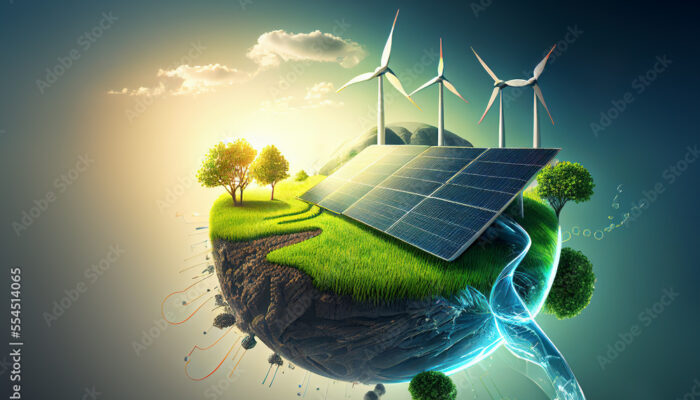
Solar power harnesses sunlight through photovoltaic panels to produce electricity without emitting greenhouse gases during operation. The lifecycle emissions of solar technology are substantially lower than fossil fuels, making it a leading sustainable option. However, the manufacturing process involves mining and processing raw materials, which can cause habitat disruption and resource depletion. Large solar farms may also require significant land areas, potentially displacing natural habitats. Despite these concerns, solar energy is praised for its adaptability and declining costs, with decentralized installations enabling households to reduce dependence on polluting centralized grids.
Wind Energy
Wind energy converts atmospheric kinetic energy into electrical power via turbines, producing negligible emissions during operation. It is a prominent renewable resource with a minimal carbon footprint. Nevertheless, wind farms can pose threats to bird and bat populations due to turbine blade collisions. Additionally, noise and visual impacts have led to opposition in some communities. Despite these issues, wind power remains a vital component of sustainable energy strategies.
Hydropower
Hydropower utilizes the gravitational force of flowing or stored water to generate electricity. While it produces minimal emissions during operation, dam construction can significantly alter river ecosystems, disrupt fish migration, and flood extensive land areas, causing ecological and social challenges. Run-of-river hydropower systems offer a less intrusive alternative by generating power without large reservoirs, thereby reducing environmental disturbance.
Geothermal Energy
Geothermal energy exploits heat from beneath the Earth’s surface to produce electricity and heating. It features low operational emissions and provides a stable, reliable power supply. However, geothermal plants are geographically limited to regions with accessible geothermal reservoirs. The extraction process may induce ground subsidence and affect local water quality, necessitating careful environmental management.
Nuclear Energy
Nuclear power generates vast amounts of energy with minimal greenhouse gas emissions during operation, offering a high-density energy source that complements intermittent renewables. Challenges include the long-term management of radioactive waste, potential for severe accidents, and environmental impacts from uranium mining. Emerging technologies like Small Modular Reactors (SMRs) promise enhanced safety and efficiency, though public acceptance remains a significant barrier.
How Environmental Impact is Assessed
Evaluating the environmental friendliness of energy sources involves a comprehensive analysis of multiple factors:
- Lifecycle Emissions: Total greenhouse gases emitted from production, operation, and decommissioning.
- Resource Extraction: Environmental consequences of mining and material processing.
- Operational Footprint: Land and water use during energy generation.
- Ecological Disruption: Effects on wildlife, habitats, and biodiversity.
- Waste Management: Handling and disposal of byproducts, including hazardous materials.
Mathematical and Scientific Considerations
Quantifying environmental impact often involves calculating carbon intensity and energy return on investment (EROI):
- Carbon Intensity (CI):
CI = Total CO2 emissions (kg) / Energy produced (kWh). Lower CI values indicate cleaner energy sources. - Energy Return on Investment (EROI):
EROI = Energy output / Energy input. Higher EROI values signify more efficient energy production.
Practical Applications and Examples
Solar panels are increasingly installed on residential rooftops worldwide, enabling households to generate clean electricity and reduce grid dependence. Wind farms, such as those in Denmark and Texas, contribute significantly to national energy supplies. Hydropower plants like the Three Gorges Dam in China exemplify large-scale renewable energy generation, albeit with environmental trade-offs. Geothermal plants in Iceland provide consistent baseload power, while nuclear facilities in France supply a substantial portion of the country’s electricity with low emissions.
Common Misunderstandings About Green Energy
- Misconception: Renewable energy sources have zero environmental impact.
Correction: While operational emissions are low, manufacturing, installation, and land use can cause ecological effects. - Misconception: Nuclear energy is unsafe and environmentally damaging.
Correction: Modern nuclear technology is highly regulated, with low operational emissions and improving safety measures, though waste management remains a challenge. - Misconception: Hydropower is entirely clean.
Correction: Large dams can disrupt ecosystems and displace communities, necessitating careful planning and mitigation.
Significance of Choosing Low-Impact Energy Sources
Adopting energy sources with minimal environmental harm is critical in addressing climate change and preserving ecosystems. Sustainable energy reduces greenhouse gas emissions, conserves natural resources, and supports biodiversity. It also fosters energy security and economic resilience by diversifying power generation methods. As global energy demand grows, prioritizing environmentally responsible technologies is essential for a sustainable future.
FAQ
Which energy source is considered the least harmful to the environment?
Solar and wind energy are considered the least harmful due to their low emissions and relatively low ecological impact.
What are the main environmental impacts of hydropower?
Hydropower can disrupt aquatic ecosystems, affect fish migration, and inundate large areas of land.
Why is nuclear energy debated as an environmentally friendly option?
While it produces low greenhouse gas emissions, nuclear energy raises concerns about radioactive waste and accident risks.
Does solar energy have any negative environmental effects?
The manufacturing and disposal of solar panels involve resource use and waste, but operational emissions are minimal.
Is geothermal energy a reliable energy source everywhere?
No, geothermal energy is geographically limited to areas with accessible geothermal reservoirs.





Leave a Reply