
Short Answer
Definition of a One-Atom Thick Sheet
A one-atom thick sheet refers to an ultra-thin layer of material that is only a single atom in thickness. This concept challenges traditional perceptions of thickness and material properties, pushing the boundaries of what constitutes a “sheet” or “paper.” Unlike conventional paper made from fibrous substances, a one-atom thick sheet exists at the atomic scale, offering unique physical and chemical characteristics that differ fundamentally from bulk materials.
Fundamental Properties and Material Examples
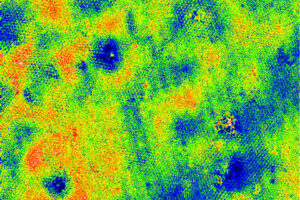
Graphene stands as the most prominent example of a one-atom thick material. It is an allotrope of carbon arranged in a hexagonal lattice, renowned for its exceptional strength, electrical conductivity, and thermal performance. These properties make graphene a fascinating candidate for applications that require materials thinner than traditional paper but with superior functionality.
- Transparency and Texture:
A single atomic layer of graphene is almost completely transparent, presenting a sleek, glossy surface that contrasts with the tactile feel of conventional paper. - Mechanical Strength:
Despite its minimal thickness, graphene exhibits remarkable tensile strength, making it resistant to tearing and deformation. - Electrical Conductivity:
Graphene’s ability to conduct electricity efficiently opens avenues for flexible electronics and wearable devices.
Potential Applications and Technological Impact
The unique attributes of a one-atom thick sheet could revolutionize various industries, particularly electronics and materials engineering. Its flexibility and conductivity suggest possibilities such as ultra-thin electronic displays that conform to curved surfaces or smart textiles embedded with responsive digital interfaces. Additionally, the durability of such materials could significantly reduce waste in products that typically suffer from wear and tear, aligning with sustainability goals.
Challenges in Production and Practical Use
Manufacturing one-atom thick sheets at scale remains a significant hurdle. Current methods like chemical vapor deposition (CVD) and mechanical exfoliation demonstrate the feasibility of producing graphene but are limited in scalability and cost-effectiveness. Furthermore, the stability of these ultra-thin materials in real-world environments is a concern, as exposure to moisture, contaminants, or mechanical stress could degrade their properties.
Environmental and Regulatory Considerations
The introduction of atomically thin materials into commercial products raises important questions about environmental impact and safety. Their interaction with the environment, potential toxicity, and lifecycle must be carefully studied. Moreover, existing regulatory frameworks may need to evolve to address the unique challenges posed by nanomaterials, ensuring consumer safety and environmental protection as these innovations enter the market.
Scientific Significance and Future Outlook
The exploration of one-atom thick sheets epitomizes the forefront of nanotechnology and material science. It represents a shift toward manipulating matter at the atomic scale, bridging the gap between theoretical research and practical innovation. This pursuit not only expands our understanding of material properties but also inspires new technological paradigms that could transform everyday experiences.
Summary: The Essence and Promise of One-Atom Thick Sheets
In essence, the idea of a one-atom thick sheet transcends its physical dimensions, symbolizing human curiosity and the quest to explore the infinitesimal. From its nearly invisible appearance to its extraordinary mechanical and electrical properties, such a material holds immense potential for future technologies. As research progresses, these ultra-thin sheets may redefine how we interact with materials, offering revolutionary possibilities in science, industry, and daily life.
FAQ
What is a one-atom thick sheet?
A one-atom thick sheet refers to a material that is only a single atom in thickness, such as graphene, which exhibits unique physical and chemical properties.
What are the main applications of one-atom thick sheets?
These materials are promising for applications in electronics, flexible displays, and smart textiles due to their exceptional strength and conductivity.
What challenges do one-atom thick sheets face?
Challenges include difficulties in large-scale production, stability concerns in real-world environments, and the need for regulatory frameworks to ensure safety.




Leave a Reply