
Short Answer
Definition of “Captain America: Brave New World”
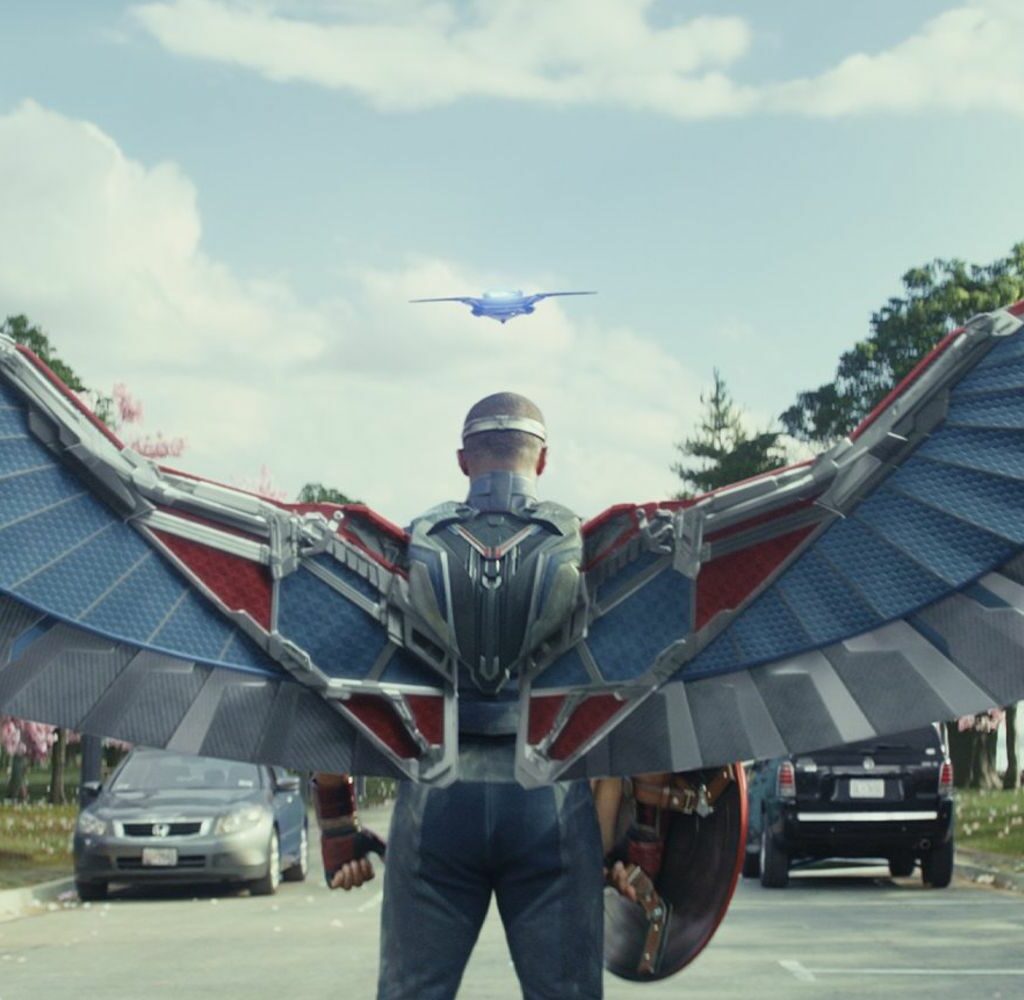
“Captain America: Brave New World” is a pivotal film within the Marvel Cinematic Universe (MCU) that continues the legacy of the iconic superhero Captain America. This installment explores contemporary themes of heroism, leadership, and moral complexity through the journey of Sam Wilson, the new bearer of the Captain America mantle. The film blends action, drama, and philosophical inquiry to challenge traditional superhero narratives.
Thematic Exploration
The movie delves deeply into the evolving concept of heroism, moving beyond the archetype of unwavering virtue to examine the nuanced realities of leadership in a politically charged environment. Sam Wilson’s character embodies this shift, as he confronts ethical dilemmas and the burdens of representing a national symbol amid societal tensions. The film questions whether the role of Captain America is a symbol of pure idealism or a reflection of the intricate responsibilities inherent in modern governance.
Legacy and Individual Agency
Sam Wilson’s transformation into Captain America is portrayed as a complex interplay between honoring a storied legacy and asserting his own identity. His journey highlights the internal conflicts of balancing personal insecurities with the expectations tied to his new role. This duality underscores the film’s meditation on leadership, suggesting that vulnerability and strength are not mutually exclusive but rather coexist within the modern hero.
Character Dynamics and Development
The film enriches its narrative through a diverse supporting cast, whose interactions with Wilson reveal broader themes of loyalty, generational change, and the shifting nature of power. Characters such as Bucky Barnes evolve alongside Wilson, grappling with their own sense of purpose and allegiance. These relationships add layers of complexity, illustrating how heroism is influenced by interpersonal dynamics and societal transformation.
Antagonists as Societal Metaphors
The antagonists in “Brave New World” are crafted with depth, representing various ideological and social conflicts. Rather than serving as mere obstacles, these characters challenge the audience’s understanding of morality and villainy. One notable adversary embodies radical beliefs that question the ethical foundations of heroism itself, prompting viewers to reflect on whether villainy stems from ideology, circumstance, or a combination of both.
Visual and Auditory Storytelling
The film’s cinematography plays a crucial role in reinforcing its thematic concerns. Through deliberate use of color schemes, framing, and dynamic action sequences, the visual narrative mirrors the emotional and philosophical arcs of the characters. This artistic approach enhances the audience’s emotional engagement and deepens the impact of the story.
Musical Score and Atmosphere
Complementing the visuals, the film’s score is meticulously composed to evoke a wide range of emotions, from tension to introspection. The music acts as an emotional guide, accentuating key moments and enriching the psychological depth of the narrative. This synergy between sound and story invites viewers to experience the film on a multisensory level.
Narrative Structure and Challenges
While ambitious in scope, the film occasionally struggles with pacing, particularly in its middle sections where multiple storylines converge. This complexity raises questions about the balance between exploring intimate character arcs and addressing expansive socio-political themes. The challenge lies in maintaining narrative clarity without compromising the depth of either element.
Significance and Impact
“Captain America: Brave New World” offers a profound commentary on the nature of heroism in today’s world. By intertwining personal struggles with broader institutional challenges, it encourages audiences to reconsider what it means to lead and to be heroic in an era marked by uncertainty and change. The film’s exploration of morality, identity, and power resonates beyond entertainment, inviting reflection on the qualities society values in its heroes.
Common Misconceptions
Captain America is simply a symbol of unblemished heroism.
The film portrays Captain America as a complex figure who embodies both ideals and the ethical challenges of leadership in a modern context.
Villains in superhero films are one-dimensional antagonists.
The antagonists in this film are multifaceted characters whose motivations provoke thoughtful consideration of ideology and circumstance.
Conclusion: Redefining Heroism for a New Era
Ultimately, “Captain America: Brave New World” serves as a thoughtful exploration of what it means to be a hero in contemporary society. It challenges audiences to engage with difficult questions about morality, leadership, and identity, making it a significant cultural work within the MCU and beyond. The film’s layered storytelling and rich character development invite viewers to reflect on the evolving nature of heroism and the kind of leaders we aspire to follow in a rapidly changing world.
FAQ
What is the main theme of Captain America: Brave New World?
The film explores the evolving nature of heroism and leadership in a modern socio-political context, focusing on Sam Wilson’s journey as the new Captain America.
Who is the protagonist in Captain America: Brave New World?
Sam Wilson, the new bearer of the Captain America mantle, is the protagonist.
How does the film portray villains?
Villains are depicted as multifaceted characters representing ideological and social conflicts rather than simple antagonists.
What are some challenges faced by the film in its storytelling?
The film struggles at times with pacing, especially when balancing multiple storylines and complex themes.
Why is Captain America: Brave New World significant?
It offers a profound commentary on heroism, morality, and leadership relevant to contemporary society and the MCU.





Leave a Reply