

Short Answer
Definition of M.Sc. (Medical Physics)
M.Sc. (Medical Physics) is an interdisciplinary academic program that merges the principles of physics with medical science. It focuses on applying physical concepts and techniques to diagnose, treat, and manage diseases, particularly through the use of radiation and imaging technologies. This field plays a crucial role in advancing healthcare by optimizing clinical procedures and developing innovative medical devices.
- Core Focus:
Utilization of physics in medical diagnostics and therapy, including radiation therapy and medical imaging. - Scope:
Encompasses radiation safety, quality assurance, and the design of medical equipment.
Fundamental Principles and Applications
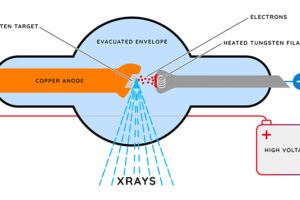
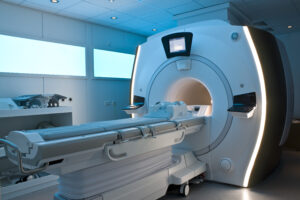
Medical Physics involves the practical application of physics theories to improve healthcare outcomes. It primarily deals with the use of ionizing radiation for both therapeutic and diagnostic purposes. This includes the operation and enhancement of medical imaging systems such as X-rays, CT scans, and MRI, as well as the development of radiation protection protocols to safeguard patients and healthcare workers.
Given the increasing integration of sophisticated medical technologies in India’s healthcare system, the demand for professionals skilled in Medical Physics is growing rapidly.
Career Opportunities for M.Sc. (Medical Physics) Graduates in India
The expanding healthcare sector in India, driven by technological advancements and a rising need for precise medical interventions, offers diverse career paths for Medical Physics graduates. The aging population and the surge in chronic diseases further amplify the demand for specialized expertise in this domain.
- Clinical Roles:
Graduates can work as Clinical Medical Physicists in hospitals, collaborating with oncologists and radiologists to ensure accurate radiation therapy, maintain equipment quality, and uphold radiation safety standards. - Research and Innovation:
Opportunities exist in academic institutions, government labs, and private companies to develop new diagnostic tools and improve existing medical technologies. - Academic Positions:
Teaching roles in universities and colleges are available, where graduates can educate future medical physicists and contribute to scholarly research. - Quality Assurance and Safety:
Professionals oversee radiation safety protocols and quality assurance programs to protect patients and healthcare personnel. - Consultancy Services:
Medical Physicists may provide expert advice to healthcare facilities on equipment selection, operational efficiency, and compliance with safety regulations.
Essential Skills and Qualifications
Success in Medical Physics requires a strong foundation in physics, mathematics, and medical technology. Graduates must also possess analytical thinking, problem-solving abilities, and effective communication skills. Collaboration within multidisciplinary healthcare teams is vital, making interpersonal skills equally important.
Regulatory and Professional Challenges
One of the key challenges for Medical Physics professionals in India is obtaining proper accreditation and certification. The Board of Radiation and Isotope Technology (BRIT) administers certification exams that are mandatory for clinical practice. Additionally, the profession faces issues related to recognition and competitive salary structures compared to other allied health fields, which need ongoing attention.
Impact of Emerging Technologies
The integration of cutting-edge technologies such as artificial intelligence (AI) and machine learning into medical imaging and treatment planning is transforming the field. Medical Physics graduates must continuously update their knowledge and adapt to these innovations to maximize clinical benefits and maintain relevance in a rapidly evolving landscape.
Government Initiatives and Regional Relevance
India’s healthcare reforms, including programs like Ayushman Bharat, emphasize the importance of accessible and technologically advanced medical care. Medical Physicists play a vital role in addressing region-specific health challenges by tailoring solutions that combine healthcare accessibility with technological innovation.
Global Exposure and Collaboration
International partnerships and exchange programs offer Indian Medical Physics graduates opportunities to gain global experience, share best practices, and contribute to worldwide advancements in medical technology and patient care.
Why M.Sc. (Medical Physics) is Important
The field of Medical Physics is integral to modern healthcare, enhancing diagnostic accuracy, improving treatment efficacy, and ensuring patient safety. As medical technologies evolve, the role of Medical Physicists becomes increasingly significant in elevating healthcare standards and fostering innovation.
Summary
The scope of M.Sc. (Medical Physics) in India is broad and dynamic, encompassing clinical practice, research, education, and consultancy. Graduates equipped with the right skills and certifications can build rewarding careers while contributing to the advancement of healthcare technology. Navigating regulatory requirements and embracing technological progress are essential for success in this promising field.
FAQ
What is M.Sc. (Medical Physics)?
M.Sc. (Medical Physics) is an interdisciplinary program combining physics and medical science, focusing on the application of physics in healthcare.
What are the career prospects for M.Sc. (Medical Physics) graduates in India?
Graduates can work in clinical settings, research institutions, academia, quality assurance roles, and consultancy services.
What skills are essential for success in Medical Physics?
Key skills include a strong foundation in physics and mathematics, analytical thinking, problem-solving, and effective communication.
What challenges do Medical Physicists face in India?
Challenges include obtaining proper accreditation, professional recognition, and competitive salary structures.



Leave a Reply