
Short Answer
Definition of Instrumentation Engineering in Refineries
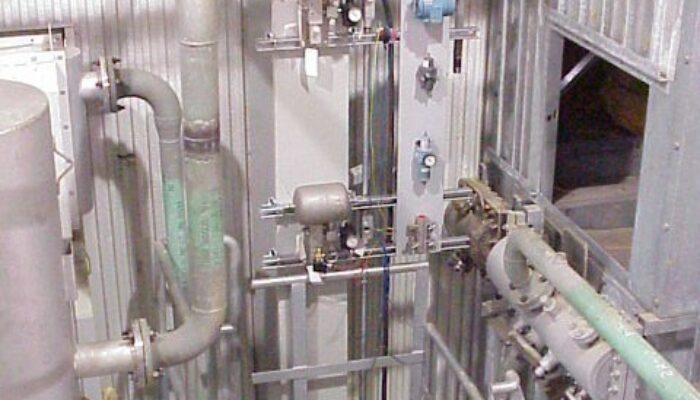
Instrumentation engineering is a critical discipline within refinery operations, focusing on the design, implementation, and maintenance of systems that measure and control various process parameters. Refineries, complex industrial plants that convert crude oil into valuable products, rely heavily on instrumentation engineers to ensure that these processes run smoothly, safely, and efficiently.
Core Responsibilities of Instrumentation Engineers
Instrumentation engineers play a multifaceted role in refineries, overseeing the selection, integration, and upkeep of instruments that monitor essential variables such as pressure, temperature, flow, and chemical composition. Their work is fundamental to maintaining operational harmony and safety.
- Instrument Selection and Specification:
Engineers identify and specify devices like pressure sensors, temperature transducers, flow meters, and analyzers tailored to the refinery’s unique process requirements. - System Design and Integration:
They develop control systems that balance operational efficiency with stringent safety standards, employing both traditional control methods such as PID controllers and advanced automation technologies including programmable logic controllers (PLCs) and distributed control systems (DCS). - Reliability and Redundancy:
To mitigate risks associated with equipment failure, instrumentation engineers implement redundant sensor systems, ensuring continuous and accurate data collection to protect personnel, the environment, and equipment. - Calibration and Maintenance:
Regular calibration and maintenance are conducted to preserve instrument accuracy over time, preventing measurement errors that could lead to product quality issues, resource wastage, or financial losses.
Collaboration and Communication in Instrumentation Engineering
Effective communication is vital for instrumentation engineers, who work closely with chemical engineers, mechanical engineers, and safety teams. This interdisciplinary collaboration enhances the design and functionality of control systems, enabling integrated monitoring and swift responses to operational anomalies.
Technological Advancements and Digital Transformation
The oil and gas industry’s shift towards Industry 4.0 has introduced new tools and methodologies for instrumentation engineers. The integration of the Internet of Things (IoT), machine learning, and big data analytics is transforming refinery operations by enabling:
- Predictive Maintenance:
Real-time data analysis helps anticipate equipment failures, allowing preemptive repairs that reduce downtime and costs. - Remote Monitoring:
IoT devices facilitate continuous oversight of refinery processes from remote locations, enhancing operational flexibility and responsiveness.
Instrumentation Engineering and Environmental Sustainability
As environmental concerns intensify, instrumentation engineers contribute to reducing the ecological impact of refineries. By optimizing process control through precise data acquisition, they help lower emissions and improve energy efficiency, which not only benefits the environment but also reduces operational expenses.
Regulatory Compliance and Safety Assurance
Instrumentation engineers ensure that refinery operations comply with environmental and safety regulations. Their expertise in industry standards and legal requirements is crucial to avoiding penalties and safeguarding the refinery’s reputation. Continuous monitoring and adaptation to evolving regulations are integral to their role.
Why Instrumentation Engineering is Essential in Refineries
The role of instrumentation engineers extends beyond managing instruments; it encompasses a comprehensive approach to achieving operational excellence. By integrating cutting-edge technology, fostering cross-disciplinary collaboration, and prioritizing safety and reliability, these engineers enable the efficient and secure transformation of raw materials into valuable products. Their contributions support not only refinery productivity but also broader societal objectives such as environmental protection and regulatory adherence. As the oil and gas sector evolves with technological progress and regulatory changes, the significance of instrumentation engineering remains paramount, underpinning the industry’s sustainable future.
FAQ
What is the primary role of an instrumentation engineer in a refinery?
The primary role is to ensure the safe and efficient operation of refinery processes through effective monitoring and control of instrumentation systems.
How do instrumentation engineers contribute to environmental sustainability?
They optimize process control to lower emissions and enhance energy efficiency, contributing to reduced ecological impact.





Leave a Reply