
Short Answer
Understanding Quantum Computing
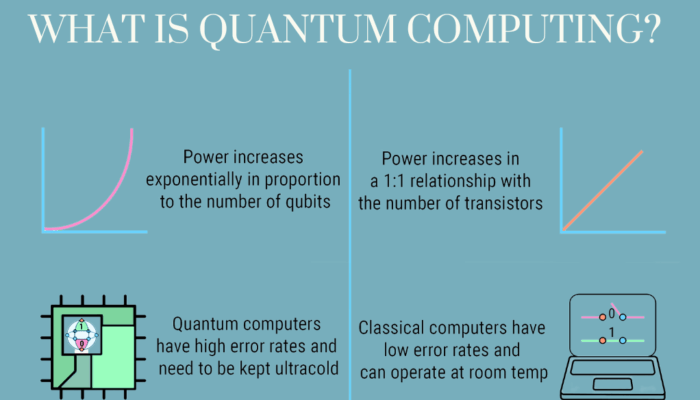
Quantum computing represents a groundbreaking and swiftly advancing field that redefines traditional concepts of computation. It explores the possibility of leveraging the principles of quantum mechanics to tackle complex problems at speeds unattainable by classical computers. This exploration opens the door to a sophisticated realm where quantum phenomena underpin computational processes, inviting a detailed examination of its foundational concepts, practical uses, and the ethical questions it raises.
Core Principles of Quantum Computing
Qubits and Superposition
At the foundation of quantum computing lies the quantum bit, or qubit, which differs fundamentally from the classical bit. While a classical bit exists strictly as either 0 or 1, a qubit can simultaneously embody both states through a property known as superposition. This capability enables quantum computers to handle and analyze exponentially larger datasets compared to classical machines. However, preserving the delicate quantum states of qubits is challenging due to environmental interference, known as decoherence, which threatens the stability and reliability of quantum information.
Entanglement and Quantum Correlation
Another essential quantum phenomenon is entanglement, where pairs or groups of qubits become interconnected such that the state of one instantly influences the state of another, regardless of the physical distance between them. This non-classical correlation facilitates extraordinary parallelism in computation, vastly enhancing processing power. Yet, harnessing entanglement effectively for quantum information tasks remains a significant scientific hurdle, as it requires sophisticated techniques to maintain coherence and prevent premature collapse of quantum states.
Applications and Implications of Quantum Computing
Cryptography and Cybersecurity
Quantum computing holds transformative potential in the field of cryptography. Algorithms like Shor’s algorithm can factor large numbers efficiently, threatening the security of many current encryption methods. This dual-edged capability not only challenges existing cybersecurity frameworks but also drives the innovation of quantum-resistant cryptographic protocols, marking the dawn of a new era in secure communications. The critical question is whether global digital infrastructure is prepared to adapt to these emerging vulnerabilities.
Advancements in Drug Discovery and Material Science
Quantum computers offer unprecedented precision in simulating molecular interactions, a task where classical computational methods often struggle due to the complexity of quantum effects in chemistry. This capability could revolutionize pharmaceutical research by accelerating the identification and development of new drugs. However, the rapid pace of discovery raises ethical concerns about equitable access to these medical breakthroughs and the potential to widen existing disparities in healthcare availability.
Optimization Challenges in Various Industries
Industries such as logistics, finance, and artificial intelligence stand to benefit immensely from quantum algorithms capable of solving optimization problems far beyond the reach of classical computers. Despite this promise, a significant barrier is the shortage of professionals skilled in both quantum theory and advanced computational techniques. This expertise gap risks creating unequal access to quantum technologies, emphasizing the need for inclusive education and training programs.
Ethical and Societal Considerations
The immense computational power of quantum technologies brings with it profound ethical responsibilities. Ensuring that these advancements serve humanity positively, rather than being exploited for harmful purposes, requires proactive collaboration among ethicists, scientists, and policymakers. Establishing comprehensive guidelines and governance frameworks is essential to balance innovation with moral accountability and societal welfare.
Quantum Supremacy: Concept and Controversies
Quantum supremacy refers to the milestone where quantum computers perform tasks beyond the practical capabilities of classical computers. Although several claims of achieving this milestone have been made, debates persist regarding the reproducibility of these results and their relevance to practical applications. The concept remains both a scientific aspiration and a subject of skepticism, highlighting the ongoing challenges in demonstrating clear, real-world advantages of quantum computing.
The Future Outlook of Quantum Computing
As quantum technologies continue to evolve, they present a complex interplay of scientific innovation, ethical challenges, and societal impact. Addressing these multifaceted issues requires foresight and a collective commitment to guiding quantum advancements responsibly. The future of quantum computing depends on fostering a culture of ethical stewardship, equitable access, and interdisciplinary collaboration to ensure that its benefits are maximized while minimizing potential risks.
Summary
Quantum computing transcends traditional computational methods by integrating the principles of quantum mechanics into information processing. Its unique features, such as superposition and entanglement, enable extraordinary computational power with wide-ranging applications from cryptography to drug discovery. However, the field also presents significant technical, ethical, and societal challenges that must be thoughtfully addressed. The journey into the quantum era demands a unified effort across scientific, ethical, and policy domains to harness its full potential for the betterment of society.
FAQ
What is quantum computing?
Quantum computing is a field that uses the principles of quantum mechanics to perform computations at speeds beyond the capabilities of classical computers.
What are qubits?
Qubits are the fundamental units of quantum information, capable of being in a superposition of states, unlike classical bits which are either 0 or 1.
What is quantum supremacy?
Quantum supremacy refers to the point where quantum computers can perform tasks that classical computers cannot complete in a practical timeframe.
What are the applications of quantum computing?
Quantum computing has potential applications in cryptography, drug discovery, optimization problems, and more, impacting various industries.




Leave a Reply