
Short Answer
Overview of Instrumentation Engineering
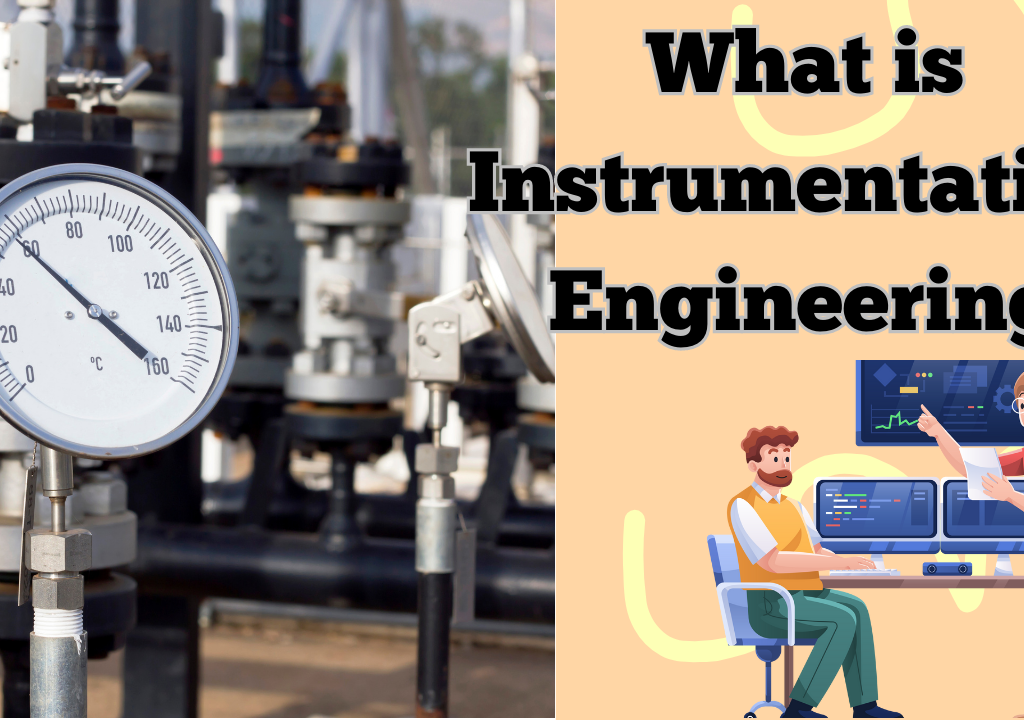
Instrumentation engineering is an interdisciplinary domain that integrates concepts from physics, electrical engineering, and control theory to design and develop instruments capable of measuring, analyzing, and regulating various physical parameters. This field plays a vital role in enhancing our comprehension of the physical environment by providing precise measurement and control tools. Exploring the diverse aspects of instrumentation engineering reveals its indispensable contribution to modern industries and its potential to revolutionize technological progress and empirical research.
Fundamentals of Measurement Science
At the core of instrumentation engineering lies the science of measurement, which establishes the methodologies, techniques, and standards necessary to quantitatively evaluate properties of matter and energy. Instrumentation engineers create advanced devices known as sensors and transducers that convert physical variables-such as temperature, pressure, and flow-into electrical signals that can be easily interpreted. This conversion facilitates real-time monitoring and analysis, which is essential across a wide range of fields including manufacturing, environmental monitoring, and scientific research.
Role of Control Systems in Instrumentation
Control engineering forms a critical component of instrumentation by enabling the automation of processes where maintaining desired outputs despite fluctuating inputs is crucial. Instrumentation engineers design feedback control systems that utilize sensor data to automatically adjust system parameters, ensuring optimal operation and safety. These feedback mechanisms underpin innovations in areas such as autonomous vehicles, industrial automation, and medical devices, thereby improving efficiency and societal well-being.
Integration of Data Analytics
As instrumentation systems generate vast quantities of data, the ability to analyze and interpret this information becomes increasingly important. Instrumentation engineers develop sophisticated algorithms and software tools to extract meaningful patterns from data streams, supporting informed decision-making. This data-driven approach enhances traditional engineering methods and drives industries toward greater productivity and innovation by leveraging insights derived from complex datasets.
Calibration and Validation Processes
Ensuring the accuracy and reliability of instrumentation systems involves rigorous calibration and validation procedures. Calibration aligns instrument readings with established standards to guarantee precise measurements, which is especially critical in sectors like pharmaceuticals where exact dosages are vital. Validation confirms that instrumentation outputs are dependable and suitable for their intended applications. Together, these processes uphold measurement integrity, foster confidence in data, and ensure compliance with regulatory requirements.
Instrumentation Engineering in the Era of IoT and Smart Technologies
The rise of the Internet of Things (IoT) and smart technologies has expanded the scope of instrumentation engineering. Engineers are tasked with creating instrumentation systems that seamlessly connect to networks, enabling enhanced monitoring and control of remote devices and assets. This connectivity opens new avenues for improving operational efficiency, resource management, and data acquisition, marking a shift toward intelligent systems that dynamically respond to user demands and environmental changes.
Educational Pathways and Interdisciplinary Collaboration
Education in instrumentation engineering typically covers a broad spectrum of subjects including electrical circuits, signal processing, control theory, and computer programming. This comprehensive training equips engineers to address complex challenges by applying interdisciplinary knowledge. Collaboration across physics, engineering, and data science sectors fosters innovation and cultivates a dynamic environment where curiosity and creativity drive the continuous advancement of instrumentation technologies.
Applications in Healthcare
Instrumentation engineering has profoundly impacted healthcare through the development of diagnostic and therapeutic devices such as MRI scanners, ultrasound machines, and biosensors. These instruments have transformed medical practice by enabling non-invasive patient monitoring and detailed physiological analysis. The integration of engineering and medicine enhances patient outcomes, optimizes treatment strategies, and exemplifies the transformative power of instrumentation engineering in improving human health.
Contribution to Environmental Sustainability
Instrumentation engineering also plays a significant role in promoting sustainability by developing efficient measurement systems that optimize resource use and reduce waste. Environmental monitoring instruments measure pollutants and other ecological parameters, aiding regulatory agencies in enforcing compliance and initiating corrective actions. By advancing technologies that support environmental stewardship, instrumentation engineering helps society address ecological challenges and pursue sustainable development goals.
Conclusion: The Future of Instrumentation Engineering
Instrumentation engineering represents a complex and evolving field that combines measurement science, control systems, data analytics, and interdisciplinary collaboration. Its transformative potential reshapes how we perceive and interact with the world, driving innovation across automation, healthcare, and sustainability. As technology continues to advance, the demand for skilled instrumentation engineers grows, inviting exploration and fostering curiosity that will propel the field to new heights of discovery and application.
FAQ
What is instrumentation engineering?
Instrumentation engineering is a branch of engineering that focuses on the design, development, and maintenance of instruments used for measuring and controlling physical quantities.
What are the main applications of instrumentation engineering?
Instrumentation engineering is applied in various fields, including healthcare, manufacturing, environmental monitoring, and automation.
How does instrumentation engineering contribute to healthcare?
It contributes by developing diagnostic and therapeutic devices that improve patient monitoring and treatment outcomes.
What role does data analytics play in instrumentation engineering?
Data analytics is crucial for interpreting the vast amounts of data generated by instrumentation systems, supporting informed decision-making.


Leave a Reply