
Short Answer
Definition of Instrumentation Engineering
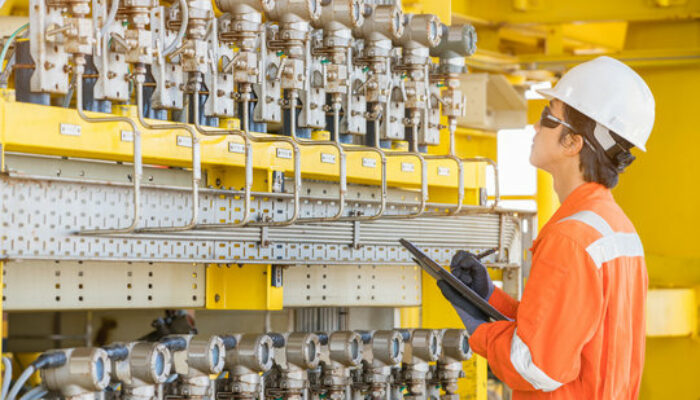
Instrumentation engineering is a specialized branch of engineering focused on the design, development, and upkeep of instruments and systems used to measure, control, and automate various industrial processes. It involves the application of principles from multiple engineering disciplines to monitor physical parameters such as temperature, pressure, flow, level, and chemical composition with high accuracy and reliability. This field plays a crucial role in ensuring operational efficiency and safety across numerous industries.
Core Areas and Applications
Instrumentation engineering finds extensive use in a wide range of sectors, each benefiting from precise measurement and control technologies:
- Industrial Automation:
Automation in manufacturing heavily relies on instrumentation for real-time process control. Technologies like programmable logic controllers (PLCs) and distributed control systems (DCS) use sensors and actuators to optimize production workflows. - Environmental Monitoring:
Instrumentation systems are essential for tracking environmental conditions, including air and water quality, helping to enforce sustainability and regulatory compliance. - Healthcare:
Medical instrumentation encompasses diagnostic devices such as MRI and CT scanners, patient monitoring systems, and laboratory analyzers, all vital for improving healthcare outcomes. - Telecommunications:
The design and maintenance of communication networks depend on instrumentation for signal processing, transmission, and network management to ensure seamless connectivity. - Aerospace and Defense:
Aerospace instrumentation includes navigation, avionics, and robotic systems that must meet rigorous standards for both civilian and military applications.
Types of Instrumentation Devices
The field of instrumentation engineering involves various categories of devices, each serving distinct functions within measurement and control systems:
- Transducers:
Devices that convert physical phenomena into electrical signals, such as thermocouples and resistance temperature detectors (RTDs) for temperature measurement. - Sensors:
Components that detect changes in physical parameters and transmit data for processing, including pressure sensors, flow meters, and level detectors. - Actuators:
Mechanisms that execute control commands by transforming electrical signals into physical actions, like valves and electric motors regulating flow and movement. - Controllers:
Units that interpret sensor data and apply control algorithms, such as PID controllers, to maintain desired process conditions. - Data Acquisition Systems:
Systems that gather, analyze, and display data from multiple sources, enabling informed decision-making in real time.
Interdisciplinary Foundations
Instrumentation engineering is inherently multidisciplinary, integrating concepts from electrical, mechanical, chemical, and computer engineering. It also draws heavily on physics for understanding measurement principles and error analysis. The collaboration between these fields fosters the development of sophisticated automation and control systems, highlighting the importance of cross-disciplinary expertise in advancing instrumentation technologies.
Technological Advancements and Trends
The field of instrumentation engineering is rapidly evolving, driven by innovations that enhance system capabilities and efficiency:
- Internet of Things (IoT):
IoT integration enables instruments to communicate and share data seamlessly, improving monitoring and control across distributed systems. - Artificial Intelligence and Machine Learning:
These technologies analyze instrument-generated data to optimize predictive maintenance and operational performance. - Smart Sensors:
Advanced sensors capable of autonomous data processing and adaptive responses are transforming measurement systems. - Wireless Communication:
Wireless technologies reduce dependency on physical wiring, offering greater flexibility and scalability in instrumentation networks.
Career Pathways in Instrumentation Engineering
Professionals trained in instrumentation engineering have diverse career opportunities across multiple industries:
- Manufacturing Sector:
Designing and maintaining automated systems to enhance production efficiency. - Research and Development:
Innovating new instruments and improving existing technologies. - Consultancy Services:
Advising organizations on optimal instrumentation solutions and compliance with industry standards. - Government and Regulatory Bodies:
Roles in environmental monitoring, infrastructure projects, and policy enforcement.
Significance of Instrumentation Engineering
Instrumentation engineering is vital for modern industry and technology, providing the tools necessary for precise measurement and control that underpin automation, safety, and quality assurance. Its contributions enable advancements in manufacturing, healthcare, environmental protection, and communication systems, making it an indispensable discipline in today’s technologically driven world.
FAQ
What is instrumentation engineering?
Instrumentation engineering focuses on the design and maintenance of instruments used to measure and control industrial processes.
What are the core areas of instrumentation engineering?
Core areas include industrial automation, environmental monitoring, healthcare, telecommunications, and aerospace.
What types of devices are used in instrumentation engineering?
Common devices include transducers, sensors, actuators, controllers, and data acquisition systems.
What are the career opportunities in instrumentation engineering?
Career opportunities range from manufacturing and R&D to consultancy and roles in government regulatory bodies.

Leave a Reply